The most beautiful registry offices in Germany for your dream wedding


Looking for the most beautiful registry offices in Germany for your dream wedding? The civil ceremony is the official start to your future together – and this special moment deserves an equally special setting. Germany offers an impressive variety of wonderful locations that are far more than just sober offices.
From historic castles and modern city villas to picturesque waterfront locations, the choice of special registry offices is greater than you might think. Registry office weddings can now take place in venues that perfectly complement your personal style and create unforgettable memories.
In the following sections, I will introduce you to the most beautiful and extraordinary registry offices in Germany that will make your civil ceremony a real highlight. You will learn which special places are suitable for different wedding styles, what makes each location so special, and what you should consider when booking.


What makes a civil ceremony special
A civil wedding in one of Germany's many beautiful registry offices is far more than just a legal act – it's the moment when two people officially become one. What makes this form of marriage so special is the perfect balance between tradition and individuality that you can experience here. Unlike church weddings, a civil ceremony focuses on your personal connection.
The atmosphere when getting married at the registry office is often more intimate and focused. With a manageable guest list of usually 10-30 people, you experience a moment that is entirely concentrated on you as a couple. This exclusivity creates an emotional intensity that many couples find particularly touching. In addition, most registrars genuinely put their heart and soul into designing your ceremony, enriching it with personal anecdotes and words tailored to you.
What also sets civil ceremonies apart is their flexibility. Many registry offices in Germany now offer ceremonies in special locations – be it in historic castles, on lighthouses, or even in mountain huts. This variety allows you to choose a setting that perfectly suits your relationship and your ideas. Some of my couples, for example, have said "I do" in the rose garden of a castle, which, to be honest, was quite magical.
Another plus point is the time factor. With a duration of about 20-30 minutes, the civil ceremony is compact, but by no means less significant. This brevity somehow has its own charm – every word carries weight, every moment is precious. And after the official part, you still have the whole day ahead of you to celebrate with your loved ones, without a strict timetable dominating your wedding day.
Why choosing the right registry office is so important
Choosing the right registry office in Germany is one of the most important decisions when you Wedding planning – and for good reason. Because the registry office is not just the place where you legally become spouses, but also the setting for one of the most emotional moments of your lives. The civil wedding forms the centrepiece of your wedding, regardless of whether you also wish to marry in church or not.
The setting significantly shapes the atmosphere and the memories you'll forever associate with this day. Imagine exchanging your rings in a historic castle overlooking an idyllic lake, or in a modern registry office with light-flooded rooms. The location can reflect your personality as a couple and give your guests a first impression of your shared style.
Getting married at the registry office is no longer just about the formal act. Many registry offices in Germany now offer extraordinary venues and wedding locations that go far beyond the classic office room. From romantic castles and picturesque lighthouses to idyllic gardens – the variety is impressive and allows you to find a place that is perfect for you.
The practical side is also not to be underestimated: Accessibility for your guests, parking facilities, and proximity to the celebration venue can significantly ease the proceedings of your big day. A well-chosen registry office ensures that you can concentrate fully on the essentials – namely, enjoying the moment when „I“ and „you“ finally become an official „we“.
Criteria for choosing your perfect wedding venue


When choosing the perfect registry offices in Germany, various factors play a crucial role. After all, you'll spend one of the most important moments of your life there! A civil ceremony should take place in an environment that reflects your personality as a couple while also meeting practical requirements.
The location is often the first criterion that couples consider. Do you want to get married in your hometown or at a special holiday destination? Some registry offices are located in historic buildings with centuries of history, others in modern town halls with contemporary architecture. Consider which atmosphere suits you better and how far your guests will need to travel.
The size of the ceremony room is also crucial. When getting married at the registry office, there are often restrictions on how many people can be present. Some venues only accommodate 10-15 guests, while others can hold up to 100 people. Definitely ask about the maximum capacity before you decide – especially if you want to celebrate with many friends and relatives.
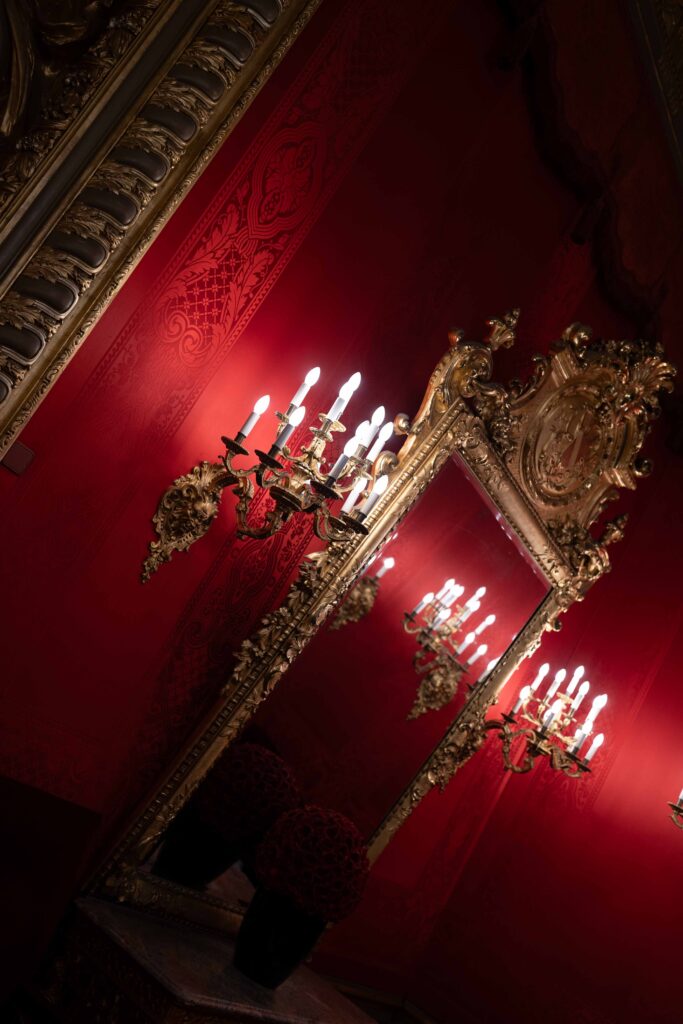
The style and furnishings of the room should also match your wedding vision. Some registry offices in Germany impress with magnificent halls featuring chandeliers and historic furniture, while others are more simply and functionally decorated. Find out if you are allowed to decorate the room yourself and what technical facilities (such as a sound system or projector) are available.
Availability is a practical aspect that you shouldn't underestimate. Popular registry offices are often booked up months or even years in advance, especially on „magical“ dates or during peak season. Therefore, start planning your civil wedding early and have alternative dates ready in case your desired date is already taken.
Not least, costs also play a role. The fees for a wedding vary considerably depending on the registry office – from the simple basic fee to considerably higher amounts for special locations or weddings outside of regular opening hours. Find out about all the costs involved in advance so that you don't experience any nasty surprises.
Historic Civil Registry Offices in Germany – Marrying with Tradition


Historic registry offices in Germany offer a very special setting for your civil wedding, combining modern marriage ceremonies with centuries-old tradition. In venerable buildings such as old town halls, restored castles or listed villas, your "I do" becomes an unforgettable experience steeped in history and atmosphere.
If you're looking for more than just a formal act when getting married at the registry office, it's worth taking a look at the numerous historical wedding venues dotted across Germany. From the Hanseatic cities of northern Germany to the residences of southern Germany, the selection of historic registry offices is impressively diverse and offers the right atmosphere for every taste.
Below, we present some of the most impressive historical registry offices in Germany that can make your wedding a truly charming event. Discover the unique features of these traditional locations and what you should consider when planning your civil ceremony in historic surroundings.
Old Town Halls and their romantic atmosphere
Registry offices in Germany housed in old town halls exude a very special charm for your civil wedding ceremony. The historic walls with their ornate ceiling vaults, magnificent wood panelling and impressive staircases create an atmosphere that modern buildings simply cannot offer. Countless couples have already said "I do" in these historically significant rooms – and in some cases, they have done so for centuries.
Most old town halls are located centrally in the old town, which makes getting married at the registry office particularly convenient. After the wedding ceremony, you can stroll directly through picturesque alleys with your guests and celebrate in nearby restaurants or cafés. Many of these historic buildings also have picturesque courtyards or small gardens that are perfect for wedding photos.
What many don't know: In some old town halls, you can not only experience the official part of your wedding, but in some cases can also hold the subsequent celebration there. It's best to inquire early about the options your chosen registry office offers. The staff are usually very experienced and can give you valuable tips on how to make the most of the romantic atmosphere.
The popularity of old town halls as registry offices in Germany does have a drawback, however – sought-after dates are often booked up months in advance. Saturdays during the wedding season from May to September are particularly in demand. Therefore, plan at least a year in advance if you want to secure your desired date for your civil ceremony. It's definitely worth it, though, as hardly any other location combines tradition, history, and romantic flair quite so impressively as an old town hall.
Castles and stately homes for civil ceremonies
Civil wedding ceremonies in Germany become particularly enchanting when they take place in historic buildings. Castles and palaces, serving as special registry offices, offer a fairytale backdrop for the moment you say "I do" and lend a touch of nobility and history to your wedding. In many regions of Germany, you can now marry in these majestic structures – a trend that is becoming increasingly popular among couples.
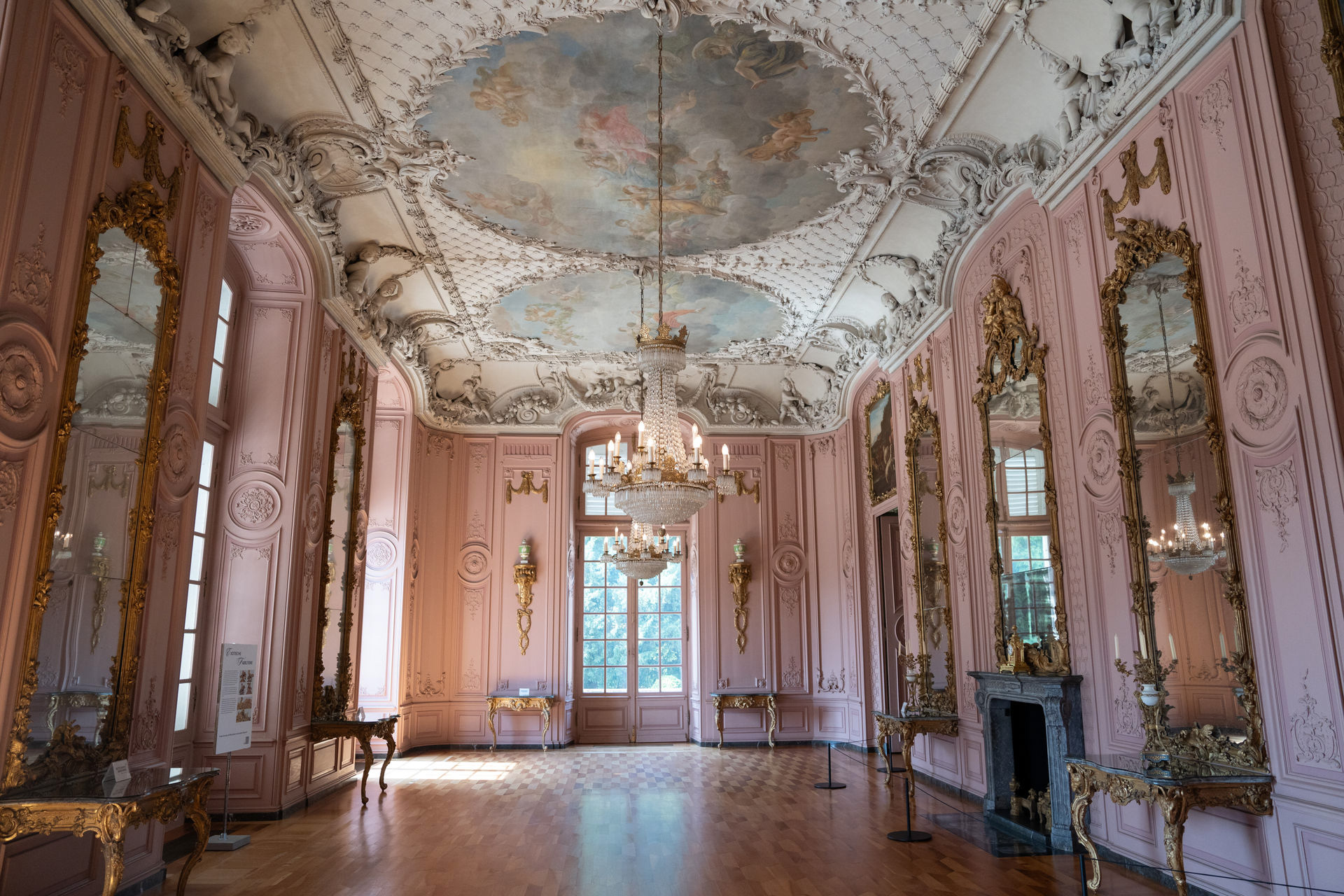
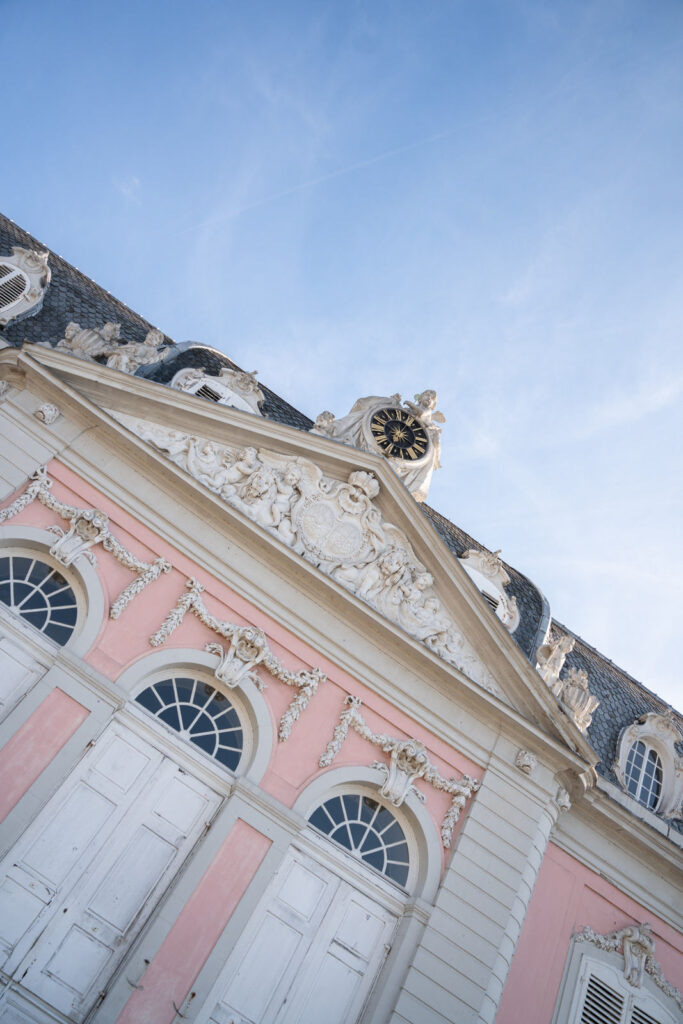
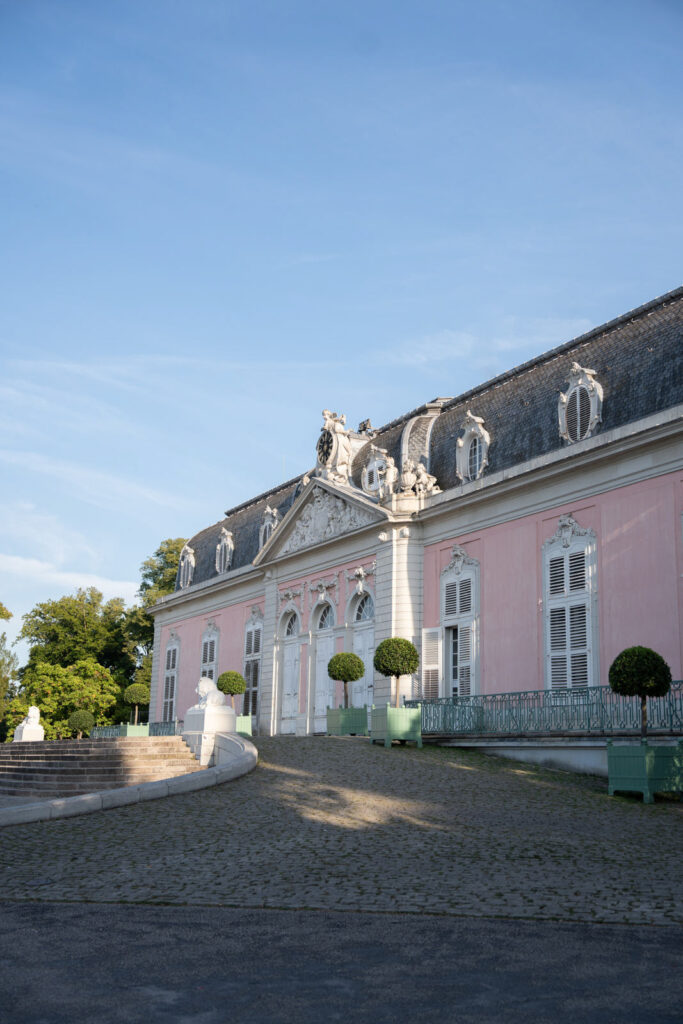
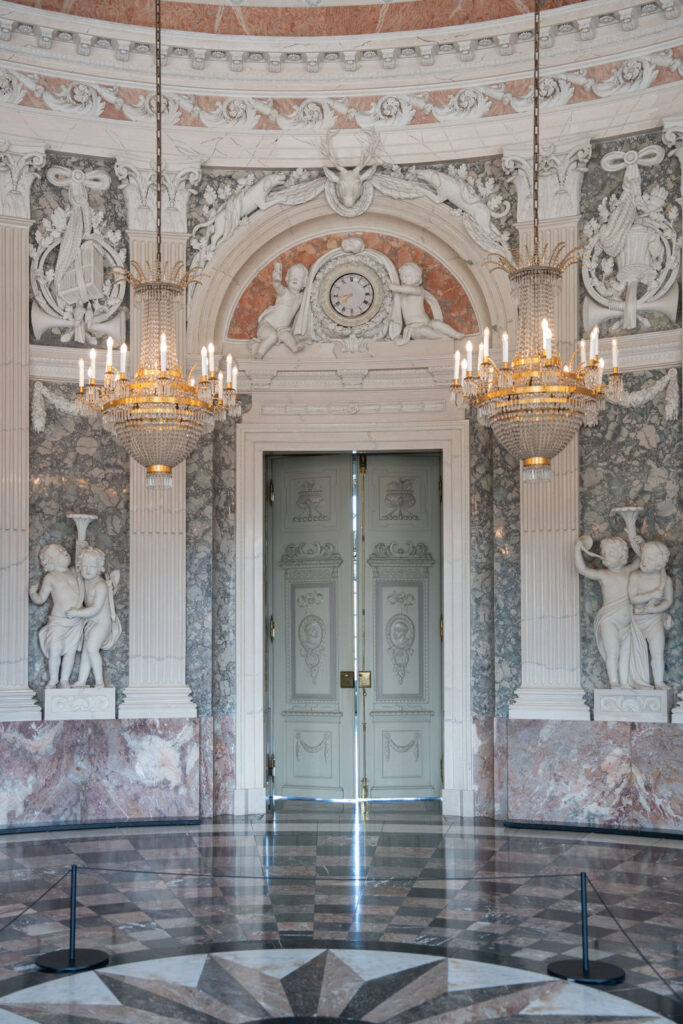
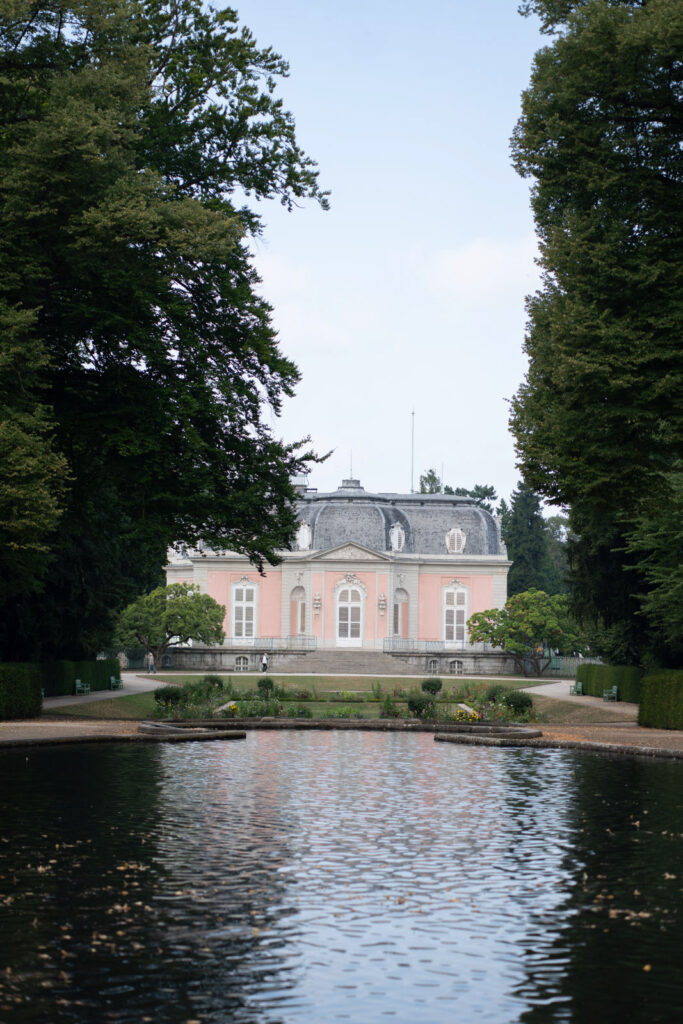
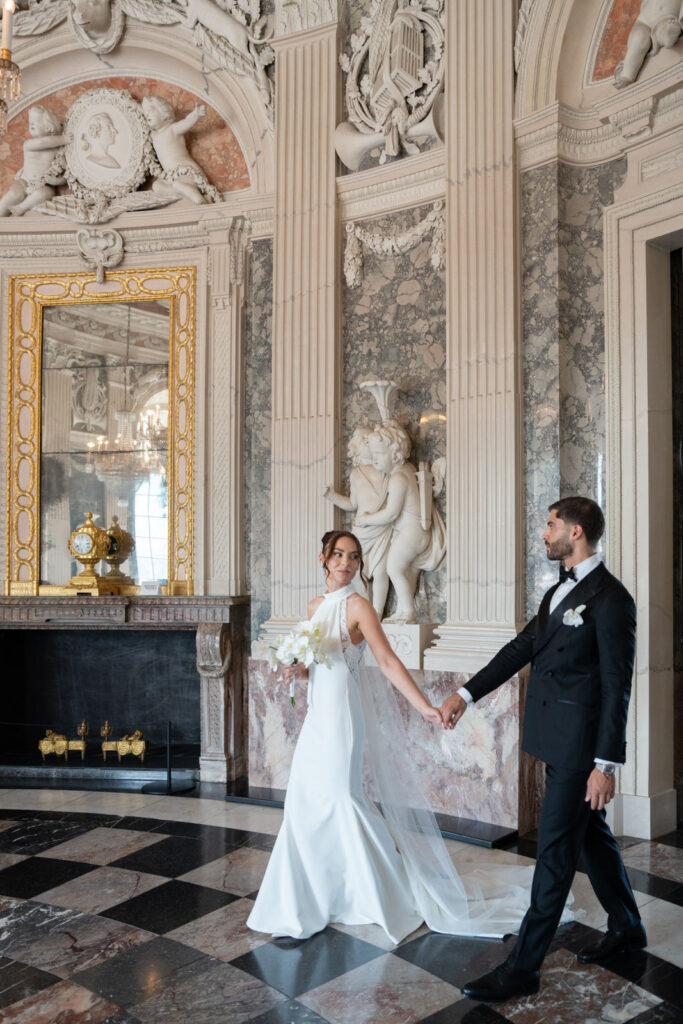
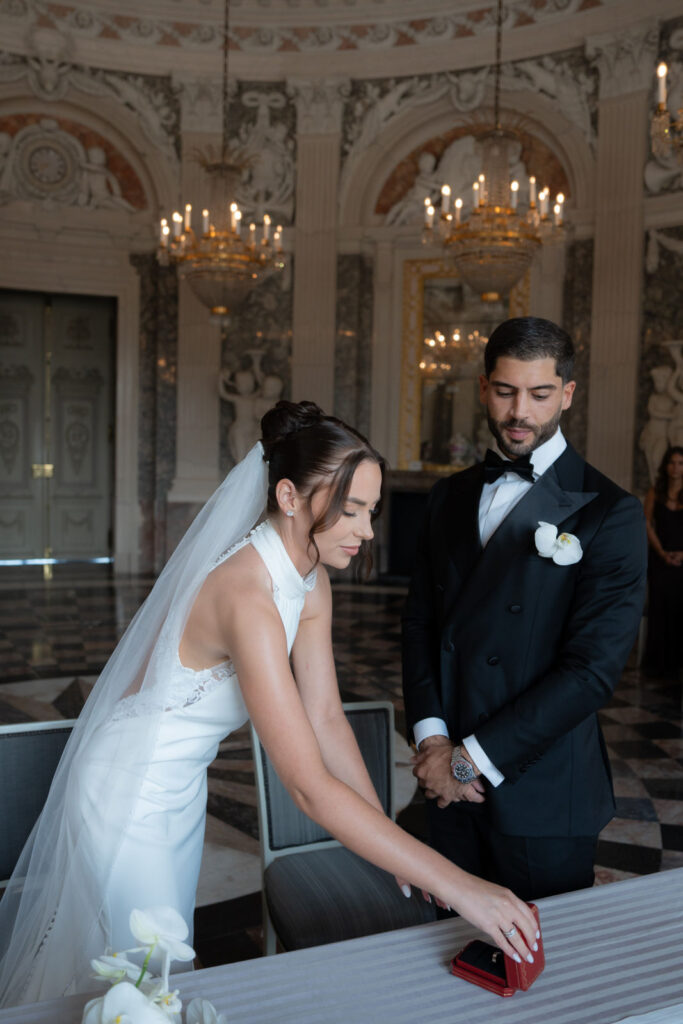
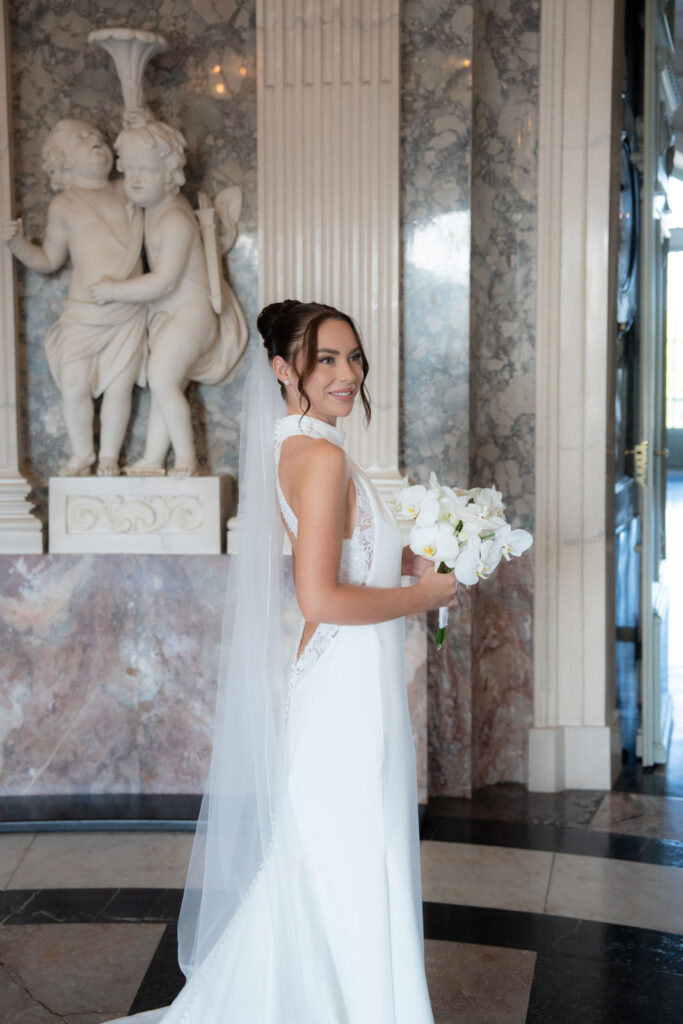
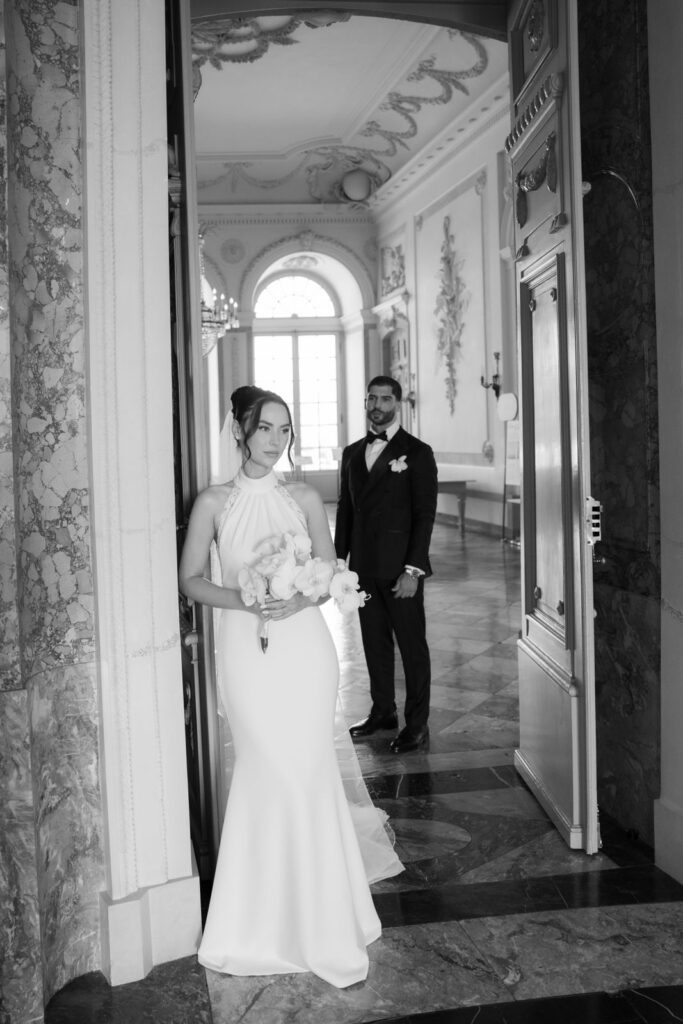
When planning a civil ceremony that will impress your guests, castles like Bückeburg Castle in Lower Saxony or Benrath Palace in Düsseldorf are perfect options. These magnificent venues combine historic ambience with modern service. The high ceilings, ornate wall paintings, and elegant furniture create an atmosphere that will make your big day truly special.
Even castles have their very own charm as registry offices in Germany. The Marksburg on the Rhine or the Wartburg in Thuringia offer not only impressive ceremonies but also breathtaking views for your wedding photos. Honestly, there's hardly a more romantic place to get married than a medieval castle with thick stone walls and winding turrets.
When it comes to planning, you should book a date with the registry office well in advance for these sought-after venues – ideally 12 to 18 months beforehand. The most popular castles and stately homes are often booked up far in advance, especially on summer weekends. Also, remember that some of these historic buildings are only available for weddings at certain times or on specific days of the week. While the additional fees for these special registry offices are higher than for conventional ones, they are somehow worth every penny for this unique day.
Historic townhouses with special charm
Registry offices in Germany housed in historic townhouses offer a very special setting for your civil wedding ceremony. These architectural gems combine history, elegance and an incomparable atmosphere that adds an extra touch of romance to your big day.
In many German cities, you'll find magnificent town halls from past centuries that now serve as registry offices. The Old Town Hall in Leipzig, for instance, impresses with its Renaissance façade and its opulent wedding hall, which has been bringing couples together for generations. The artistic ceiling paintings and historical furniture create a timeless backdrop for your wedding photos.
The Bamberg Town Hall is also a true gem among registry offices in Germany. Built on an artificial island, the building, with its colourful murals, offers a fairy-tale setting for civil wedding ceremonies. What makes this place so special? After the ceremony, the bride and groom can cross a small bridge – a symbolic step into their new chapter of life, so to speak.
Those who prefer something a little more intimate will love the smaller, historic registry offices. In Quedlinburg, you can celebrate your civil ceremony in a beautiful half-timbered house dating back to the 16th century. The low ceilings, creaking wooden floors, and cosy atmosphere create a homely feeling that, frankly, feels much more personal than many a modern registry office.
When booking a historic registry office, bear in mind that these locations are often booked up long in advance – sometimes up to two years! The popularity of these special venues speaks for itself, and anyone wishing to marry here should reserve their dream location early on. The extra planning involved is definitely worth it for the unique atmosphere that these historic walls offer.
Modern Registry Offices for Contemporary Weddings
Modern registry offices in Germany today offer far more than just the traditional wedding hall in the town hall. In recent years, civil wedding ceremonies have developed into a real experience, with a focus on contemporary architecture, digital possibilities, and flexible concepts. If you are planning a wedding that is to be both stylish and modern, you will find exciting options here.
Many cities have recognised that civil wedding ceremonies are a special occasion and have accordingly re-designed their premises or created new, architecturally impressive locations. From light-flooded glass pavilions to converted industrial monuments, the choice is surprisingly diverse and offers something suitable for every taste.
Architectural highlights for your wedding day
Registry offices in Germany often offer more than just a functional space for your civil ceremony – some are true architectural masterpieces! From historic castles to ultra-modern glass buildings, you'll find locations that provide a special setting for your big day.
Particularly impressive are the registry offices that are housed in listed buildings. At Benrath Palace in Düsseldorf, for example, you can get married in a magnificent Rococo setting, while the registry office in Hamburg's Town Hall captivates with its imposing Neo-Gothic façade and ornate interiors. These historic buildings lend a royal touch to your wedding that is guaranteed to amaze your guests.
For fans of modern architecture, registry offices such as the one in Cologne's Rheinauhafen are ideal, where large glass fronts offer a breathtaking view of the Rhine. The registry office in Berlin's TV Tower, with its floating perspective over the capital, is also a real highlight for your civil wedding. Here, modern design combines with an unforgettable panorama – which, honestly, is pretty unbeatable.
The architectural variety for civil wedding ceremonies even extends to extraordinary locations such as the registry office in Hamburg's Elbphilharmonie or the wedding hall in the historic water tower in Lüneburg. While these special locations are often a bit more expensive and book up quickly, they offer a unique setting that will turn your wedding photos into true works of art and provide talking points for years to come.
Urban-chic Registry Offices in German Major Cities
Registry offices in Germany, particularly in large cities, offer a fascinating spectrum of urban wedding locations with a stylish flair. If you're planning a civil ceremony but don't fancy old-fashioned offices, you'll be surprised how cool and modern many municipal registry offices have become. In metropolises like Berlin, Hamburg, or Munich, true gems have emerged, combining industrial charm with an elegant wedding atmosphere.
In Berlin, for example, you can get married in the historic Schöneberg Town Hall, where John F. Kennedy gave his famous „Ich bin ein Berliner“ speech. The ambiance is an exciting mix of history and urban contemporary spirit – perfect for couples looking for something special. Or how about the registry office in the former Tempelhof Airport? Here, industrial charm merges with Berlin's history, which is honestly quite unique.
Hamburg offers the registry office in HafenCity as a venue that combines maritime flair with modern architecture. The floor-to-ceiling windows provide a breathtaking view of the harbour – practically a dream for wedding photos! Getting married at the registry office takes on a whole new dimension here, as you're saying „I do“ right in the vibrant heart of the city.
In Munich, the registry office in the town hall on Marienplatz has established itself as a top address for urban weddings. The mix of neo-Gothic architecture and modern city life around it creates a somehow magical atmosphere. After the ceremony, you can head straight to one of the trendy cafés or restaurants in the area with your guests – it couldn't be more convenient!
Cologne, Frankfurt and Leipzig are in no way inferior to other major cities and have properly spruced up their registry offices in recent years. Many of these locations today not only offer the formal setting for the civil ceremony but are truly stylish places where you can celebrate your special day appropriately.
Light-filled locations for unforgettable wedding photos
Registry offices in Germany with plenty of natural light are a real dream for your wedding photos. Particularly popular are modern ceremony rooms with floor-to-ceiling windows or historic buildings with ornate glass facades that capture daylight perfectly. The right lighting mood will make your civil wedding a visual highlight and ensure radiant faces in all your pictures.
More and more couples are not just considering the location when choosing a registry office, but specifically the lighting conditions. In Munich, for example, the registry office in the town hall offers a light-flooded wedding hall with high windows, which creates a dreamlike atmosphere, especially in the morning hours. In Hamburg, too, you can find a modern wedding hall when getting married at the Altona registry office, whose large window front provides natural, soft light.
It becomes especially magical in glasshouses or orangery buildings, which are now used as official registry offices in some German cities. The Palmenhaus in Dresden or the Orangery in Potsdam are true havens of light, where sunlight streams through the glass roofs, creating an almost fairytale-like atmosphere. Your wedding photos will gain a very special depth and vibrancy here.
When planning your civil ceremony, also consider the time of day. The famous „golden hour“ in the late morning or early afternoon is flattering for every bridal couple. Some modern registry offices now even offer special „photo slots“ that are perfectly timed for these optimal light conditions. Simply enquire about this option at your desired venue – it's worth it!


Civil wedding ceremonies in extraordinary locations
The civil wedding ceremony in Germany doesn't necessarily have to take place in a classic registry office – more and more couples are opting for extraordinary locations to make their special day even more unforgettable. From historic castles to dreamlike beaches, there are now numerous options to experience the official ceremony in a very special setting.
While getting married at the registry office was once often seen as the „bureaucratic part“ before the actual celebration, today the civil ceremony itself is often a highlight. Many registry offices in Germany have expanded their offerings and provide ceremonies in special locations that can make your wedding day truly unique.
In the following sections, we'll introduce you to the most beautiful and exceptional registry offices and wedding venues across Germany. You'll find out which special locations are suitable for your civil wedding – from romantic castles and modern venues to natural settings that are sure to impress you and your guests.
Get married at the registry office with a view – mountains and lakes
Register offices in Germany with breathtaking views of mountains or lakes offer a dreamlike backdrop for your civil wedding. The combination of natural beauty and a celebratory setting makes these locations particularly sought-after. Imagine exchanging your rings with majestic mountain peaks or shimmering expanses of water visible in the background.
Especially in Bavaria, you'll find numerous registry offices with mountain panoramas, for example in Garmisch-Partenkirchen or at Lake Tegern, where the Alps form a fairytale backdrop. A civil wedding here becomes an unforgettable experience, as nature practically acts as an additional wedding guest. Many couples also choose these locations because they can take stunning wedding photos with a natural background directly after the ceremony.
Registry offices located by lakes are also popular for civil ceremonies. On Lake Constance, Lake Chiemsee or the Mecklenburg Lake District, you can say „I do“ in rooms with a lake view. What's honestly particularly romantic: some of these registry offices even offer the possibility of holding the ceremony on a terrace or jetty right by the water – depending on the weather, of course.
However, please note that these dreamlike locations are often booked up long in advance. So if you want to get married in one of these special registry offices in Germany, you should enquire at least a year beforehand. The effort is worth it, though – because somehow it’s simply magical when you say “I do” while the sun sets over the lake in the background or the mountain peaks glisten in the sunlight.
Maritime Registry Offices on the North and Baltic Seas
Registry offices in Germany on the coast offer a very special atmosphere for your civil wedding ceremony. The scent of saltwater, the sound of the waves, and the maritime backdrop create an unforgettable setting for the most important day of your lives. Along the North Sea and Baltic Sea coasts, you'll find numerous stunning locations that make getting married at the registry office a real highlight.
For example, you can tie the knot by the North Sea in historic lighthouses or right on the beach. The Sylt registry office, with its various external locations – such as the Red Cliff or the Old Kursaal – offers truly impressive possibilities for a wedding with the sound of the sea. St. Peter-Ording and Cuxhaven are also among the popular locations that enable registry office weddings with a maritime flair.
The Baltic Sea is in no way inferior and delights with idyllic registry offices in Germany, which are often located in historical buildings or directly on the water. In Rügen, you can even get married on the famous Sellin pier – which, to be honest, is one of the most romantic places imaginable. The registry office in Warnemünde or weddings in the Baltic Sea resort of Binz are also extremely popular with bridal couples.
What makes these maritime registry offices so special is the opportunity to combine the ceremony with a subsequent stroll on the beach or a celebration with a sea view. Many of the locations offer almost the complete package – from saying "I do" to the wedding reception. However, plan well in advance, as appointments at these sought-after venues, especially during the summer months, are often booked up a year in advance.
Industrial charm and lofts for alternative couples
Registry offices in Germany now offer far more than just classic wedding rooms – for couples with a penchant for the extraordinary, industrially influenced locations are the absolute insider tip. In former factory halls, converted power plants, or stylish lofts, you can make your civil wedding a unique experience. The raw charm of brick, steel, and concrete forms an exciting contrast to your big moment.
Many registry offices, particularly in former industrial regions like the Ruhr area or in Berlin, have added such unusual wedding venues to their offerings. For example, Landschaftspark Duisburg-Nord enables weddings in a converted industrial complex, while the Berlin-Kreuzberg registry office offers the „Spreespeicher,“ a true industrial gem for alternative couples. These locations combine history with modern flair – perfect for anyone who wants to stray from the beaten path when getting married at the registry office.
The generous room proportions in these industrial locations also offer a lot of scope for creativity. You can emphasise the industrial look with minimalist decorations or create exciting contrasts with opulent floral arrangements and warm lighting. Many of these registry office venues also have adjoining areas for a champagne reception immediately after the ceremony, which significantly simplifies your wedding logistics.
However, please note that these special registry offices in Germany are often very popular and can have long waiting times – sometimes up to a year. So plan well in advance and enquire about all the details such as costs, maximum number of guests and available dates. The effort is worthwhile, however, as a wedding ceremony in such characterful rooms is guaranteed to be memorable for everyone and ensures impressive wedding photos that are anything but ordinary.
Top 15: The most beautiful registry offices in Germany
- Benrath Palace – Düsseldorf
- Casino Baden-Baden – Baden-Baden
- Hamburg City Hall - Hamburg
- New Town Hall – Munich
- Ludwigsburg Palace – Baden-Württemberg
- Drachenburg Castle – Königswinter
- Heidelberg Castle – Heidelberg (Registry Office branch)
- Red Town Hall – Berlin
- New Town Hall - Leipzig
- Nordkirchen Castle – North Rhine-Westphalia
- Japan Palace – Dresden
- Cecilienhof Palace – Potsdam
- Bensberg Castle – Bergisch Gladbach
- Old Town Hall - Cologne
- Nymphenburg Palace (Johannissaal) – Munich
Practical tips for your civil wedding ceremony
For your civil wedding in one of Germany's beautiful registry offices, there are a few practical things to consider to ensure your big day goes smoothly. While a registry office wedding may be less elaborate than a church ceremony, you should still be well prepared.
Here you'll find out which documents you need for the registry office, how to secure the perfect date, what attire is appropriate, and how to plan the celebration after the official part. With these tips, your civil ceremony is guaranteed to be an unforgettable experience!
Early appointment booking at the registry office of your choice
Booking appointments at German registry offices well in advance is absolutely crucial if you want to secure your preferred registry office for your civil wedding. Especially with popular locations, the waiting time can quickly be 6-12 months, and for particularly sought-after dates like auspicious numbers or Saturdays during peak season, even longer.
Once you have decided on a date, you should therefore contact your preferred registry office immediately. Most registry offices in Germany allow reservations about a year in advance, with some even accepting earlier enquiries. However, please note that the official documents can only be submitted about six months before the wedding.
When making an appointment, it’s worth being flexible. If your preferred date is already taken, weekdays or morning appointments might offer a good alternative. Some registry offices also have different capacities – while some only perform a few weddings per day, others can marry several couples consecutively. Therefore, be sure to inquire about the available time slots.
Incidentally, if you want to get married in a particularly popular or exceptional registry office, such as in historic castles or at tourist hotspots, you should start planning significantly earlier. These locations are often fully booked up to 18 months in advance. When it comes to getting married at the registry office, it really is a case of 'first come, first served' – which may seem unfair, but it's simply the reality. Important: some registry offices do not allow bookings in the year before the wedding.

Documents and requirements for getting married at the registry office
If you want to get married in one of Germany's beautiful registry offices, you should gather the necessary documents well in advance. While the civil ceremony is a solemn moment, it also requires some preparation on the bureaucratic side.
Fundamentally, to get married at the registry office you need a valid identity card or passport, as well as a certified copy of your birth register, which should not be older than six months. If you have been married before, you will also need to present your divorce certificate or, if widowed, the death certificate of your deceased partner. These documents prove your current marital status, which is essential for the civil wedding ceremony.
Special regulations apply if one of the partners does not have German citizenship. In this case, a certificate of no impediment to marriage from their home country is often required, confirming that there are no obstacles to the marriage. Depending on the country of origin, the requirements can vary – it is therefore advisable to inquire with the responsible registry office well in advance.
In addition to the documents, there are also formal requirements for your wedding. Both partners must be of legal age or be able to present an exemption from the family court. Furthermore, there must be no familial relationship that precludes marriage. The application for marriage should ideally be submitted 6-12 months before your desired date, especially if you wish to marry in one of the more popular registry offices in Germany, which often have long waiting times.



Costs of different registry offices compared
If you're interested in registry offices in Germany, you should also keep an eye on the costs. The prices for a civil wedding ceremony can vary considerably depending on the location, day of the week, and special requests. While some registry offices are available for under €50, exclusive locations can quickly cost several hundred euros.
In large cities like Berlin, Munich, or Hamburg, you generally pay more for a civil wedding than in rural regions. The basic fee for a civil ceremony usually ranges between 40 and 80 Euros. For special wedding venues, such as historic palaces or castles that function as external offices of the registry office, surcharges of between 100 and 300 Euros are often added.
The timing also plays an important role. Those who wish to marry on a Saturday or on a public holiday should expect surcharges of 50 to 150 Euros. In some popular registry offices in Germany, such as at Neuschwanstein Castle or on the Zugspitze, the surcharge can even be between 400 and 600 Euros – which, to be honest, is a considerable chunk of money.
Also, consider the additional costs: Registering to get married costs around €40-€60, international certificates cost extra, and if you're not getting married in your home municipality, there are often charges for external documents. Some registry offices also offer additional services like professional photography or champagne receptions – these cost an extra €50-€200.
By the way, a little money-saving tip: In some federal states, there are special promotions where registry offices offer cheaper weddings on certain dates. So it's worth asking at the registry office whether such offers exist. This way, you might be able to save a few pounds on your registry office wedding in your chosen location, without having to forgo the special occasion.

Frequently asked questions about registry offices in Germany
When planning your civil wedding at one of the many registry offices in Germany, some questions are bound to arise. Especially if you're getting married for the first time, the bureaucratic part of wedding planning can seem a bit overwhelming. Don't worry – here you'll find answers to the most common questions about getting married at the registry office.
From the necessary documents to deadlines and costs – in the following sections, we'll clarify all the typical uncertainties that can arise when preparing for a civil ceremony. We'll also tell you about the options you have to personalise your ceremony and what to consider when choosing the perfect registry office.
How far in advance should I book an appointment at the registry office?
When it comes to registry offices in Germany, you should ideally book an appointment for your civil wedding at least six months in advance. However, waiting times vary greatly depending on the region, season, and popularity of the registry office. In large cities or at particularly sought-after venues, the lead time can even be up to a year – especially if you want to get married on a specific day like a Friday or Saturday.
Early planning also has practical reasons: various documents need to be obtained for a civil wedding, which can sometimes take time. Birth certificates, registration certificates, and, in the case of previous marriages, divorce certificates – all these documents must be up-to-date. Especially if one of the partners is from abroad, additional certifications or translations may be necessary, which prolongs the process.
In popular wedding months like May to September, registry offices in Germany are particularly busy. If you wish to marry during this time, booking 9-12 months in advance is not uncommon. Smaller registry offices in rural areas, on the other hand, often have shorter waiting times of around 3-4 months. My tip: simply call your desired registry office and ask for typical waiting times without obligation – this will give you a realistic assessment.
Incidentally, you can officially register your civil wedding date at the earliest six months before your desired wedding date. However, a provisional reservation is usually possible much earlier. Also, keep in mind that you will need to appear at the registry office in person again about 14 days before the ceremony to submit the final documents and clarify any last details. Especially if you are planning a celebrant-led ceremony or a church wedding after the civil ceremony, booking your date in good time is crucial for your entire wedding planning.
Can I marry in any registry office in Germany?
Registry offices exist in almost every city and town in Germany, but can you really get married wherever you want? The answer is: in principle yes, with a few important restrictions. You actually have a certain degree of choice when deciding where you want to have your civil wedding ceremony.
As a general rule: you can get married at any registry office in Germany, even if neither of you lives there. This has been possible since the amendment to the Civil Status Act in 2009. Previously, you had to stick to the registry office in your place of residence, which was really impractical if you wanted to celebrate in another city, for example. Today, you have a free choice – which is particularly great for couples who want to get married in a special place such as a castle, a palace or right by the sea.
However, there are a few practical hurdles. Many popular registry offices in Germany are often booked up months, sometimes even years, in advance. This is particularly true for dream locations like historic town halls or castles with civil marriage facilities. Furthermore, you must remember that the application to marry must always be made at the registry office of your place of residence – even if you plan to marry elsewhere. This essentially means a double trip to the authorities.
Another point: some registry offices charge additional fees for couples who are not from the municipality. These can range from €50 to several hundred euros, depending on the location and exclusivity. The availability of appointments can also be restricted for non-residents. Some particularly sought-after registry offices even offer special time slots that are reserved exclusively for locals – which is somewhat understandable when you consider that local taxpayers also finance the registry office.
My tip: If you have a specific registry office in mind, enquire about availability and any special regulations well in advance. The flexibility in choosing a registry office has made wedding planning in Germany significantly easier, but good planning is still paramount!
What is the average cost of a civil wedding ceremony?
If you want to get married at one of the many registry offices in Germany, you're surely wondering what costs to expect. While a civil wedding is significantly cheaper than a large church wedding, prices vary considerably depending on the federal state and municipality.
The basic fees for a civil wedding ceremony typically range from €40 to €80. This amount covers administrative costs and the actual wedding ceremony. However, additional costs may be incurred if you need to apply for documents, for example. Issuing a certificate of no impediment to marriage or certifying documents usually incurs additional fees of between €10 and €30.
Getting married at the registry office becomes more expensive if you get married outside of regular opening hours or on special days such as Saturdays. Surcharges of 50 to 200 euros can apply here. Popular dates – such as 22.2.2022 or similar „lucky numbers“ – are also often associated with higher costs, as many couples want to get married on such dates.
Another cost factor is the location. While the ceremony in the registry office's regular ceremony room is included in the basic price, special wedding venues such as castles, historic buildings or other extraordinary registry offices in Germany incur additional fees. These can range from 100 to 500 euros, sometimes even more if the locations are very exclusive.
Don't forget the costs for documents like identity cards, birth certificates, or – if one of you was already married – the divorce certificate. You'll need to factor these in too. Overall, for a civil wedding without many extras, you should budget between €150 and €300, though the amount can be significantly higher depending on the federal state and any special requests.
What documents do I need to register for marriage?
If you wish to marry in one of the many registry offices in Germany, you will need some important documents to register your marriage. The civil ceremony may seem like a bureaucratic act at first glance, but with the right preparation, this step will become a relaxed part of your wedding planning.
Naturally, your identity cards or passports will form the basis, which must be presented in original at registration. Additionally, you’ll need a certified copy of your birth register, colloquially known as an „extended birth certificate“. This usually must not be older than six months, which, to be honest, can sometimes create time pressure.
If any of you have been married before, further documents will be required. In the case of divorce, you will need the marriage certificate of the previous marriage with the note of dissolution, as well as the legally binding divorce decree. In the case of widowed persons, a death certificate of the deceased spouse is required. The registry offices in Germany are very strict – without these proofs, you won't get any further.
For couples with children, the birth certificate of their child or children is important. If you need a certificate of residence, you can obtain this from the residents' registration office. Foreign nationals must also provide a certificate of residence and often proof of eligibility to marry. The latter essentially confirms that there is no impediment to marriage under the law of their home country.
Also remember that for civil marriage, translations of foreign-language documents are sometimes necessary. These must be produced by a publicly appointed and sworn translator, which somehow always takes longer than expected. So, plan enough lead time, especially if international documents are involved.
May I play my own music at the civil registry office ceremony?
When it comes to civil ceremonies in Germany, many couples wonder if they are allowed to bring and play their own music. The good news is that in many registry offices this is indeed possible – however, there are a few restrictions you should be aware of.
The regulations regarding music can vary significantly depending on the registry office. While some registry offices in Germany have their own sound system and are happy to let you play your favourite songs, others have stricter rules or don't offer this service at all. It's best to ask your chosen registry office directly about your options.
If playing your own music is permitted, you should still consider a few things. The songs should, of course, be suitable for the festive occasion and not too loud. Some registrars also reserve the right to reject unsuitable titles. Also, remember that the civil ceremony is usually time-limited – so only plan for 2-3 songs that are really important to you.
A practical tip: Prepare your music on a smartphone or tablet and ask a best man or guest to take care of playing it. That way, you can concentrate fully on the special moment. Alternatively, many registry offices in Germany now also offer to take your music requests in advance and play them themselves – which, to be honest, can be the less stressful option.
If music is not possible at the registry office, there is always the option of playing your favourite songs outside the building immediately after the ceremony. This way, getting married at the registry office will still be a completely personal experience, even if the ceremony itself has to be a bit more formal.
Conclusion: The perfect registry offices in Germany for your special day

The registry offices in Germany offer an impressive variety for couples who wish to say "I do". From historic castles to modern city villas and picturesque waterfront locations – the selection of special venues for your civil wedding is greater than you might think. As you have seen, there is a suitable option for every taste and budget.
The decision for the right registry office should be well-considered, as this place will be forever associated with one of the most important days of your lives. Whether you dream of a romantic wedding in a castle or prefer a relaxed ceremony on the beach – Germany truly has the perfect setting to suit every wish.
Remember that popular registry offices are often booked up long in advance. Therefore, plan at least 6-12 months before your desired date and find out about the specific requirements of the respective registry office. Some of the more unusual venues have special regulations or only offer ceremonies on certain days.
Ultimately, getting married at the registry office isn't just about the location, but about the moment you make your lifelong promise to each other. Choose a place that suits you as a couple and where you feel comfortable. Then, your civil ceremony will certainly be an unforgettable experience that you will remember for a long time.