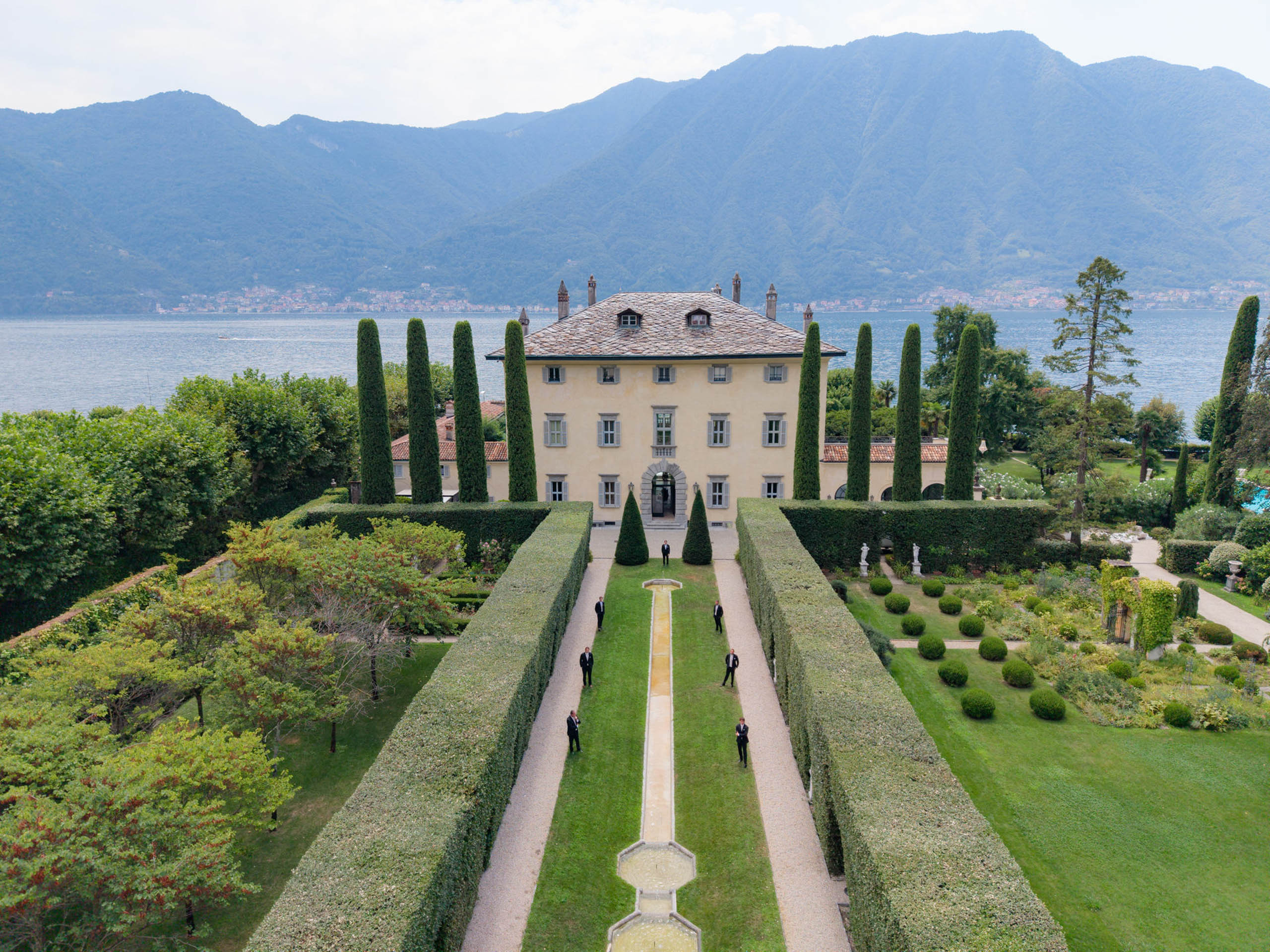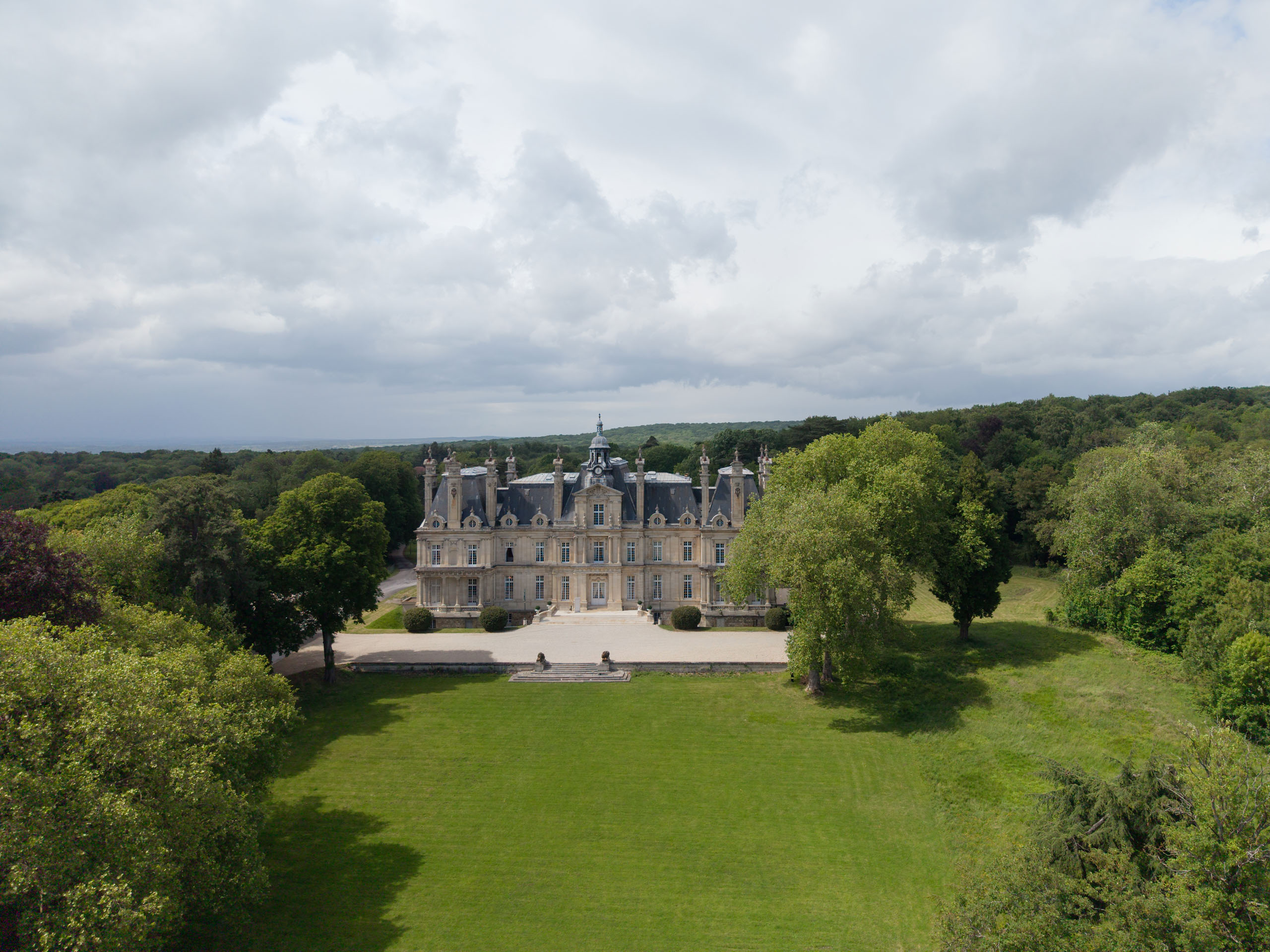
Getting married in Austria is a decision that fundamentally differs from other European wedding destinations. Anyone who seriously considers getting married in Austria will quickly realise: this country offers a combination that is unique. Alpine drama and imperial history. Palace culture and modern hotels. Lakes, mountains, vineyards and one of the most musically rich cities in the world — all in a country that is smaller than many other wedding destinations, but unparalleled in its diversity.
Many couples planning a destination wedding initially think of Italy, France or Spain. Austria often doesn't feature in these initial considerations – too little known as an international wedding destination, too much in the shadow of southern European countries. But anyone who seriously considers getting married in Austria quickly understands: Austria is not second best. For the right couples, it's the best.
What makes getting married in Austria so special is not a single element. It is the interplay: the castles with real stories, the lakes with a light that is hard to capture photographically, the alpine scenery which, depending on the region, is dramatic or gentle, wild or elegant. And a quality in gastronomy, hospitality and service that is at the top European level — with a warmth that other luxury destinations often lack.
This guide is aimed at couples seriously planning to get married in Austria. It covers all relevant regions and locations, provides realistic cost guidance, explains the best seasons, and answers the questions that hardly anyone honestly asks online. Not theoretical, but practical.
Why Marriage in Austria is an Exceptional Decision
Marrying in Austria doesn't mean choosing a beautiful country. It means choosing a specific type of wedding experience – one steeped in history, culture, and landscape, without having to fight for it or stage it. In Austria, this depth is simply present. It's in the castles, in the lakes, in the mountain panoramas, in the way people here understand hospitality.
What distinguishes marriage in Austria from other destinations can be reduced to a few key factors. Austria combines a diversity in a small space that other countries do not have: the imperial grandeur of Vienna, the baroque romance of Salzburg, the alpine exclusivity of Tyrol, the tranquil beauty of the Salzkammergut, the Mediterranean warmth of southern Styria. Each of these regions brings a completely different aesthetic—and thus completely different opportunities for a wedding in Austria.
In addition, there's the castle culture. Austria has more historic castles and palaces that can be used for weddings than almost any other European country. A castle wedding in Austria is not a tourist gimmick – it is a natural extension of a centuries-old culture of celebrating within historic walls. This difference is palpable: those who get married in an Austrian castle are marrying in a place that was made for it.
What makes Austria so special as a wedding destination
There are wedding destinations that impress with visual volume. The Amalfi Coast, the Côte d'Azur, Mallorca – all these places have an immediate impact. Getting married in Austria works differently. Austria impresses with substance. With a cultural depth that cannot be staged, because it has grown historically.
Austria's castle culture is the strongest differentiating factor here. A castle wedding in Austria is fundamentally different from a wedding in a wedding villa or a luxury hotel. History is embedded in the walls. The vaulted ceilings, the park grounds, the view of the lake or the valley — all of this was not built to accommodate weddings. It has developed over centuries, and that is precisely what makes it so extraordinary.
In addition, there is the light. Austria has, in the right seasons and at the right locations, a light that is entirely different from that of Southern European countries. Clearer, cooler, deeper – especially on the Wolfgangsee, the Attersee, and in the Alpine valleys. A light that creates images that don't feel like generic holiday photography, but rather like something you haven't seen before.
And finally: the warmth. Marrying in Austria means celebrating in a country that understands hospitality not as a service, but as a cultural value. Guests can feel this – and it makes the difference between a well-organised wedding and one that truly feels special.
Who marriage is really suited for in Austria — and who it isn't
Getting married in Austria isn't the right choice for every couple. This clarity is part of an honest guide – and it helps to make the right decision.
Austria as a wedding destination is perfect for couples who value history and culture, preferring a castle wedding in Austria or a wedding in a historic city palace over a purely natural setting. They understand that a wedding in Austria thrives on the combination of location, history, and atmosphere – rather than excessive decoration.
It is also suitable for couples planning an alpine wedding and who also value the proximity to Germany and the Switzerland appreciate. Austria is logistically much easier for many German couples to reach than Switzerland or southern Italy – and offers quality that stands up to international standards.
Marrying in Austria isn't ideal for couples seeking a Mediterranean vibe. Those planning with the idea of palm trees, the sound of the sea, and Southern European ease would be better off in Italy, France, or Spain. Austria has a different energy – deeper, richer in culture, but not lighthearted in the Southern European sense.
The most important regions for a wedding in Austria — an overview
Marrying in Austria doesn't mean choosing a country – it means choosing a region. And each region in Austria brings such a completely different aesthetic, mood, and atmosphere that choosing the region is simultaneously a choice for a particular character of the wedding. Those planning to marry in Austria should make this decision early – it determines everything else.
Vienna — Imperial Elegance and Urban Wedding Culture
Vienna is the only European capital that brings a completely unique aesthetic to weddings. Getting married in Vienna, Austria, means: imperial grandeur, the Ringstrasse, the opera, historic palaces, a coffee house culture that can become part of the wedding experience, and an urban vibrancy that fundamentally differs from all other Austrian regions.
A wedding in Vienna is for couples looking for urban elegance. They want to celebrate in a historic city palace, see the State Opera in the evening, and have their guests experience a city so rich in culture that an extended weekend is barely enough. Vienna is the most versatile region for a destination wedding in Austria – it works just as well in summer as it does in winter, for thirty guests just as it does for two hundred.
Salzburg – Music, Baroque and Alpine Scenery
Salzburg is Austria's most romantic city for a wedding. The baroque Old Town, Hohensalzburg Fortress, the Untersberg in the background, the Salzach river flowing through the city — Salzburg has a density of visual qualities that is unique in this combination.
Getting married in Salzburg, Austria, also means: the city of Mozart, festival culture, and international renown that immediately resonates with guests from all over the world. Salzburg is one of the most famous cities in the world – and yet surprisingly intimate, if you know the right places.
Rosewood Schloss Fuschl, just thirty minutes from Salzburg directly on Lake Fuschl, is the region's premier luxury destination. It combines proximity to the city with the peace and beauty of the Salzkammergut, making it one of Austria's most exceptional wedding venues.
Salzkammergut and Wolfgangsee — Lakes, Serenity and Austrian Romance
The Salzkammergut is the most emotional and at the same time most intimate region for a destination wedding in Austria. Wolfgangsee, Attersee, Hallstättersee, Traunsee – each of these lakes has its own personality, its own light, its own atmosphere. And all together they form a landscape whose quiet beauty is hardly surpassed by any other region in Europe.
Getting married in Austria's Salzkammergut region is for couples who aren't looking for a loud affair. They want a wedding that feels quiet – not understated, but calm. The light over Lake Wolfgang in the early evening, the reflection of the mountains in Lake Attersee, the green of the hills around Hallstatt – these are images that don't need staging. They arise because the landscape is like that.
The Salzkammergut is less well-known internationally than Vienna or Salzburg – and that's precisely an advantage. A wedding here has an exclusivity that doesn't need to be bought.
Kitzbühel and Tyrol — Alpine exclusivity and winter drama
Kitzbühel is the Austrian equivalent of St. Moritz – without the fame of its Swiss counterpart, but with an exclusivity and alpine setting that is in no way inferior. Getting married in Austria, in Kitzbühel, means: mountains, snow, an international community, historic town architecture, and a quality of gastronomy and hotels that can compete worldwide.
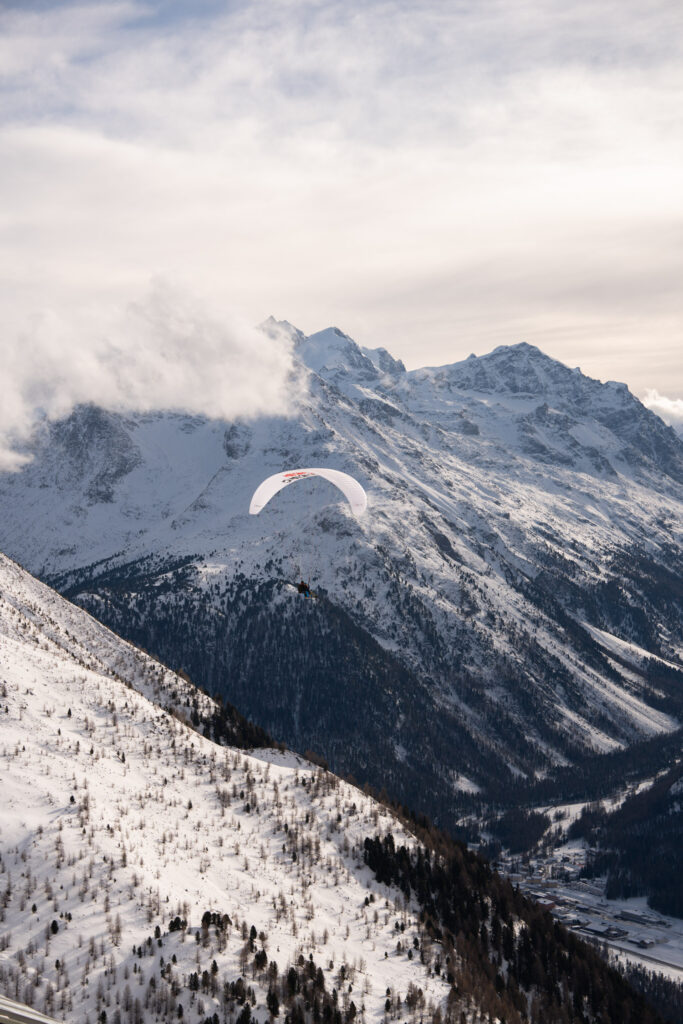
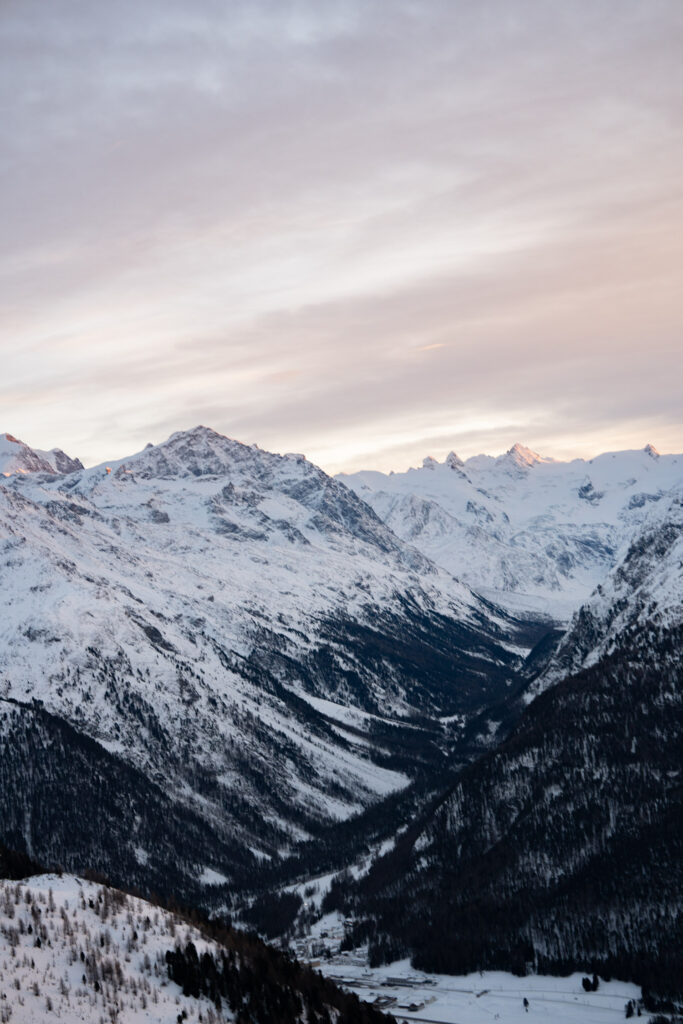
Tyrol as a whole is Austria's quintessential alpine region. From Innsbruck to Lech am Arlberg, from the Ötztal to the Zillertal – Tyrol offers alpine backdrops that are more dramatic and varied than in any other Austrian region. A wedding in Tyrol is particularly magical in winter, when snow transforms the landscape and the mountain silhouettes are sharply etched against the sky.
Wachau — Vineyards, Danube, and Historical Depth
The Wachau is Austria's most underestimated region for a wedding. The UNESCO World Heritage site along the Danube – vineyards, castles, medieval towns, the calm flow of the river – offers a visual aesthetic that is entirely different from alpine weddings, yet no less extraordinary.
Getting married in Austria's Wachau region means: wineries with centuries of history, castle ruins as ceremony locations, a Danube landscape that is almost unrealistically beautiful in spring with its blooming apricot orchards, and radiates a warmth in autumn under the red vines that no decoration can replace. The Wachau is for couples who want a wedding that feels different from all others – neither alpine nor urban, but deeply Austrian in a way that few expect.
Vorarlberg — Alpine Modernism and Proximity to Germany and Switzerland
Vorarlberg is the westernmost region of Austria – directly on the Swiss and German border, and in many ways more similar to Switzerland than to the rest of Austria. Marrying in Austria, in Vorarlberg, means: alpine modernity, Bregenz Festival, Lech am Arlberg as one of Europe's most exclusive ski regions, and an accessibility from Southern Germany that no other Austrian region offers.
For couples from Germany, Vorarlberg is the most logistically straightforward option for a wedding in Austria with an alpine setting. Zurich and Munich are equally close. The quality of the venues is high, the region is less crowded than Tyrol, and the alpine nature is impressively pure.
Wedding Venues Austria — an overview of the most exclusive addresses
Getting married in Austria means, from a Exceptional selection of locations to choose. This overview is not an exhaustive list, but a curated selection of the finest venues for a luxury wedding in Austria — with an honest assessment of who each location is truly suited for.
Rosewood Schloss Fuschl — the most luxurious resort on Lake Wolfgang
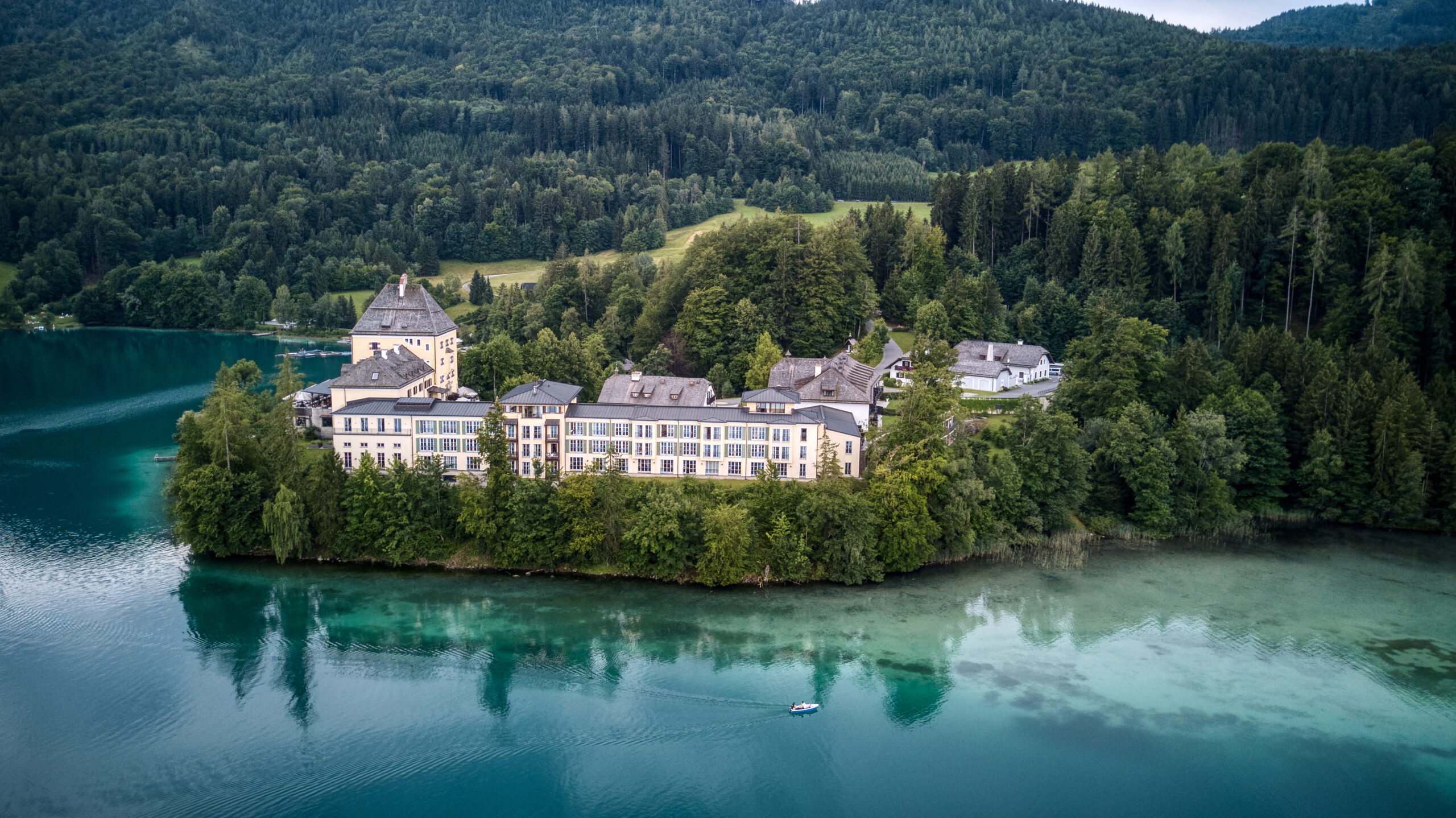
The Rosewood Schloss Fuschl is the premier location for weddings in Austria in the Salzkammergut — and one of the most extraordinary wedding venues in all of Austria. The castle is located directly on Lake Fuschl, thirty minutes from Salzburg, and combines a history stretching back to the 15th century with international five-star service.
What makes the Rosewood Castle Fuschl so special for a wedding in Austria is its complete harmony. The castle on the lake, the park, the mountain backdrop behind it, the privacy of the estate – everything combines to create an overall atmosphere that cannot be staged. It simply exists. For a castle wedding in Austria's Salzkammergut lake district, there is hardly a more powerful venue.
The location is particularly suitable for mid-sized weddings with fifty to one hundred and fifty guests who are planning a multi-day event and want to offer their guests the Salzkammergut experience alongside the wedding. Boat trips on Lake Fuschl, excursions to Salzburg, spa days at the resort – the Rosewood Schloss Fuschl offers a setting that extends far beyond the wedding day.
Schloss Leopoldskron Salzburg — cinematic history and quiet elegance
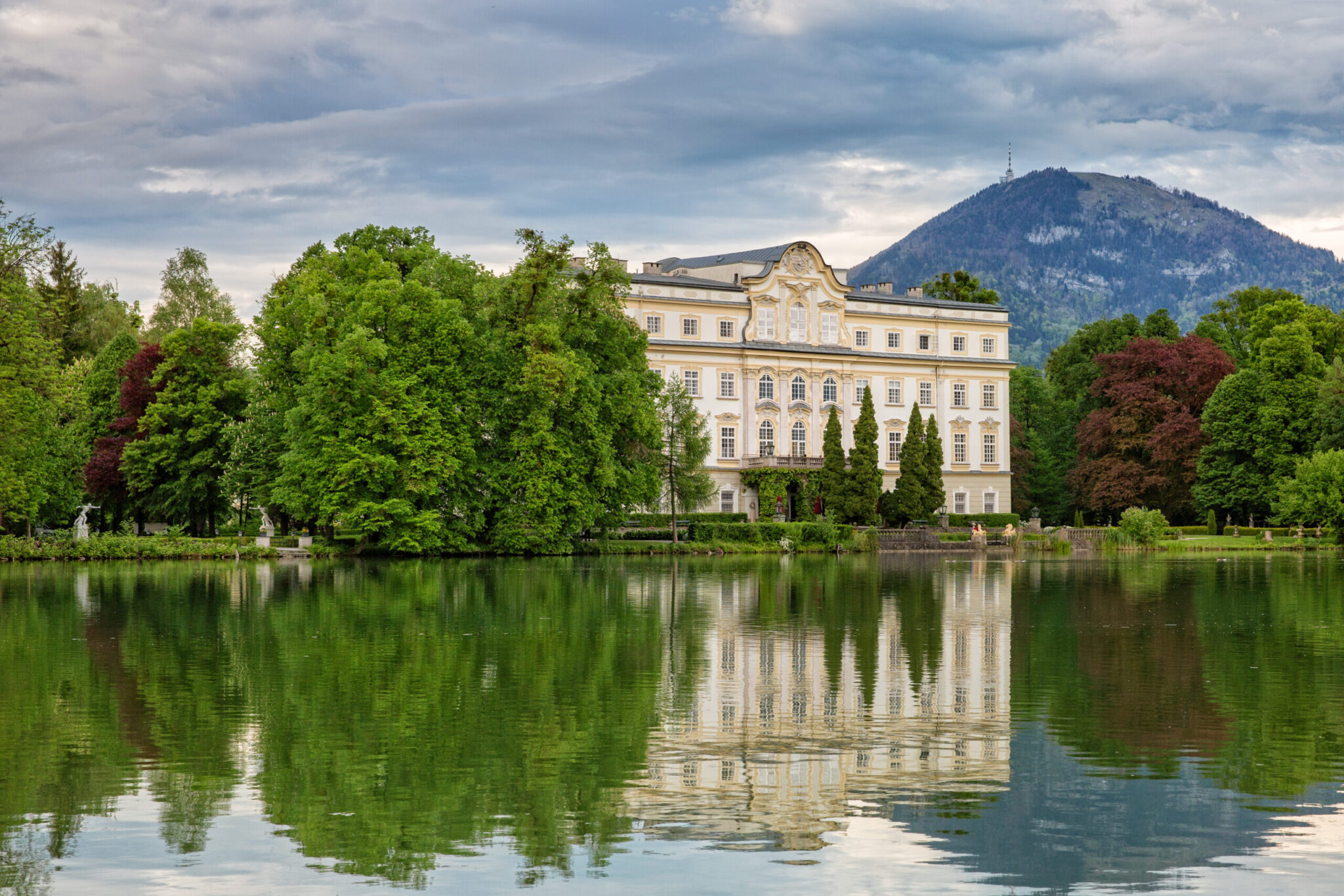
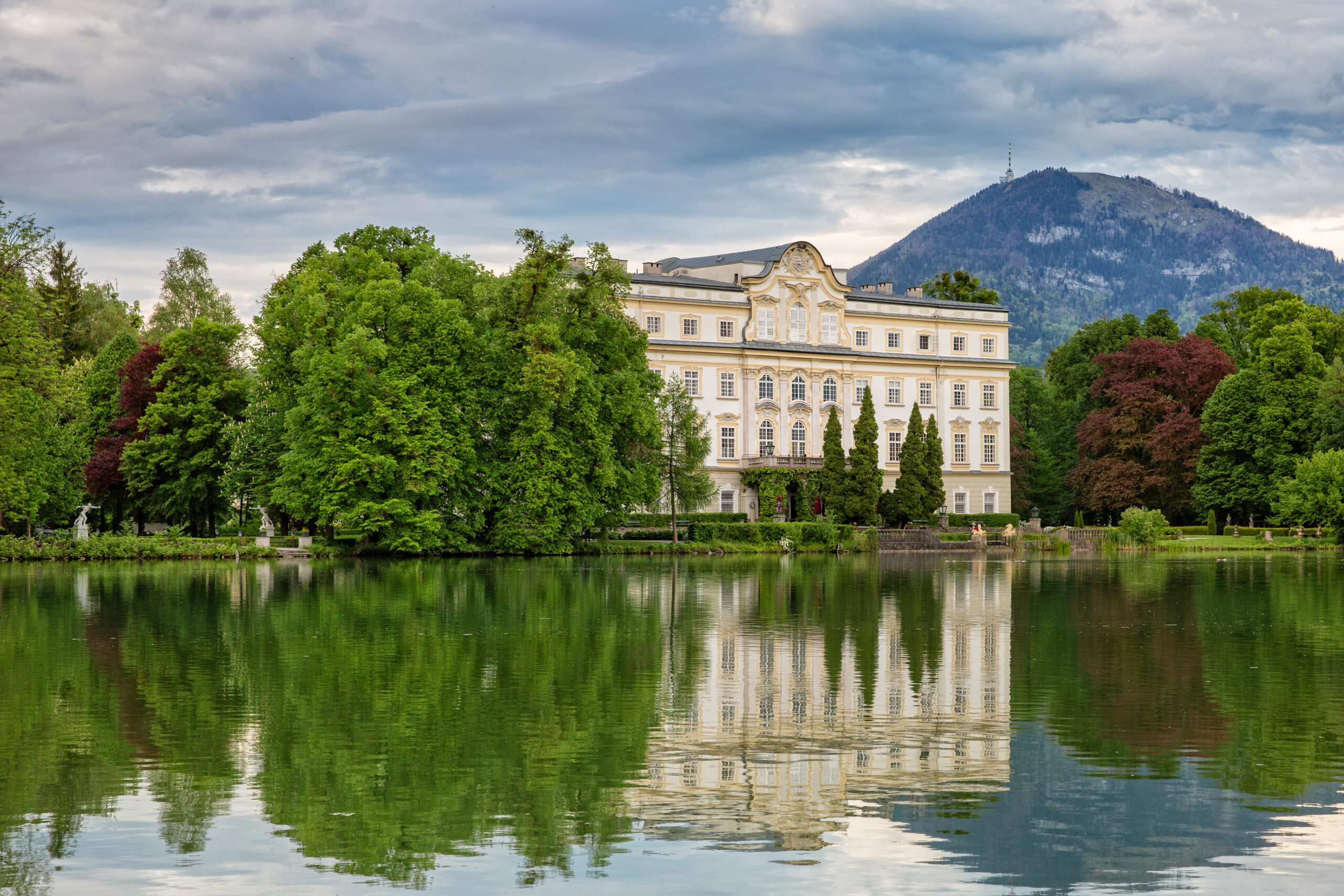
Schloss Leopoldskron is one of Austria's most famous castles – even if most people don't know it by name. It's the backdrop to The Sound of Music. This private castle, situated directly on the Leopoldskroner Teich and only a few minutes' walk from Salzburg's Old Town, offers a wedding venue that is second to none anywhere in the world.
Marrying in Austria at Schloss Leopoldskron means complete exclusivity. The castle can only be booked by one party at a time – no shared spaces, no other guests, no interruptions. The atmosphere is quiet, almost private, and charged with a layer of meaning due to its cinematic history, which resonates particularly strongly with international couples.
The venue works particularly well for small, curated parties of thirty to eighty guests who prioritise intimacy over size. A castle wedding in Austria at Leopoldskron is not an event—it's an experience.
Hotel Sacher Wien — Imperial heritage in the heart of the city
Hotel Sacher is the most famous hotel for a wedding in Vienna, and probably the most famous hotel in Austria altogether. Situated right next to the State Opera, with a history closely intertwined with Vienna's imperial past, and a service that has been world-class for generations.
For a wedding in Vienna, Austria, the Hotel Sacher is the most classic choice. It represents a particular image of Vienna — elegant, historic, imperial — and is particularly suitable for couples seeking precisely this image. International guests know the hotel, know the name, know the history. This lends a level of significance to a wedding here that extends beyond the actual celebration.
Palais Coburg Vienna — modern luxury within a historic shell
Palais Coburg is the more modern alternative for a wedding in Vienna. The historic Palais in Vienna's city centre has been extensively renovated and combines historical architecture with a contemporary luxury concept that clearly differentiates it from Vienna's classic grand hotels.
What makes the Palais Coburg so interesting for a destination wedding in Vienna, Austria: the combination of history and the present day. Anyone planning a wedding in Vienna, Austria, and looking for a more modern, less classic concept will find a setting at the Palais Coburg that allows for both – historical substance and contemporary aesthetics.
Stanglwirt Bad Hofgastein — Alpine authenticity at the highest level
The Stanglwirt in Going am Wilden Kaiser is one of the most exceptional wedding venues for a wedding in Tyrol, Austria. Not a classic luxury hotel, but an authentic Tyrolean farmstead on an absolute five-star level – a place that is unique in its kind worldwide.
What makes the Stanglwirt so special for a wedding in Austria is its authenticity. Tyrolean materials, alpine craftsmanship, an atmosphere that feels genuinely Tyrolean rather than like a staged mountain landscape. All while maintaining a level of service and gastronomy that can compete internationally. For couples seeking alpine warmth rather than alpine coldness, the Stanglwirt is one of the strongest options for a wedding in Austrian Tyrol.
Pichlarn Castle, Styria – Peace, Nature, and Styrian Expanse
Styria is one of the most underrated regions for a wedding in Austria. Schloss Pichlarn in Styria combines historic castle architecture with a nature and golf resort that is particularly well-suited for multi-day weddings. Styria has its own distinct aesthetic: softer than Tyrol, warmer than Vienna, with a landscape of rolling hills, forests and vineyards that differs from all other Austrian regions.
Getting married in Austria, in Styria, is for couples who are not looking for alpine drama or urban grandeur, but something in between: a peaceful, expansive landscape with a historical setting and a warmth that is typically Styrian.
Burg Vital Resort Oberlech — White Wedding in the Vorarlberg Alps
Lech am Arlberg is Austria's most exclusive skiing region – and therefore one of the strongest options for a winter wedding in Austria. The Burg Vital Resort in Oberlech is situated at an altitude of 1,700 metres, directly above the village, boasting a combination of snow reliability and seclusion that is unique in Austria.
A winter wedding in Austria, in Oberlech, is a completely different experience from a summer wedding by the lake or in Vienna. Snow, mountain air, silence, warm interiors — and the knowledge that you are celebrating in one of Europe's most exclusive winter destinations. For couples with a clear winter concept, this location is one of the strongest choices imaginable.
Planning a wedding in Austria — what you need to know
Getting married in Austria as a foreign couple is significantly easier than in Switzerland or non-EU countries – but there are still some important points that should be considered early on in the planning. This section provides an honest and practical overview.
Legal basis — civil marriage in Austria
Austria is an EU member state – this makes getting married in Austria significantly less complicated for German, Swiss and other European couples than many other foreign destinations. A civil ceremony in Austria is automatically recognised in Germany and most other EU countries.
For German couples, getting married civilly in Austria means: birth certificates, certified translations where necessary, and registration with the Austrian civil registry office. The exact requirements vary by municipality – contacting them well in advance is the most important advice here as well. Three to six months' lead time for the documents is realistic.
Many couples planning to get married in Austria also opt for the combination of a civil ceremony beforehand in Germany and a free ceremony in Austria. This offers complete creative freedom for the ceremony, without any bureaucratic dependencies.
How early should you start planning
Among the most famous wedding venues in Austria— Rosewood Schloss Fuschl, Schloss Leopoldskron, Stanglwirt, Hotel Sacher — the most popular dates are often booked up twelve to eighteen months in advance. Anyone planning a wedding in Austria at one of these addresses should book as early as possible.
Lesser-known locations and regions such as Styria, the Wachau or Vorarlberg often offer more flexibility – here, good options are still available with ten to twelve months' advance notice. Generally, the more specific the location requirement and the more in-demand the date, the earlier planning needs to start.
Anyone planning a wedding in Austria as an international destination wedding from abroad should allow for a generous planning period. Site visits, discussions with service providers and logistics planning from a distance take more time than for a local wedding.
Destination Wedding Austria – with or without a wedding planner
For a destination wedding in Austria from abroad, an experienced Austrian wedding planner is in most cases not an option, but a necessity. Those coming to Austria for the first time and wanting to marry here are faced with an unknown landscape of service providers, regional particularities and a network that cannot be built up from a distance.
A good wedding planner in Austria knows the venues inside out, knows which combinations of caterer, florist, musician, and photographer work in which region, and understands the cultural peculiarities that make a wedding in Vienna different from one in Tyrol. This knowledge cannot be replaced – and it makes the difference between a well-organised and a truly exceptional wedding in Austria.
The best time of year for a wedding in Austria
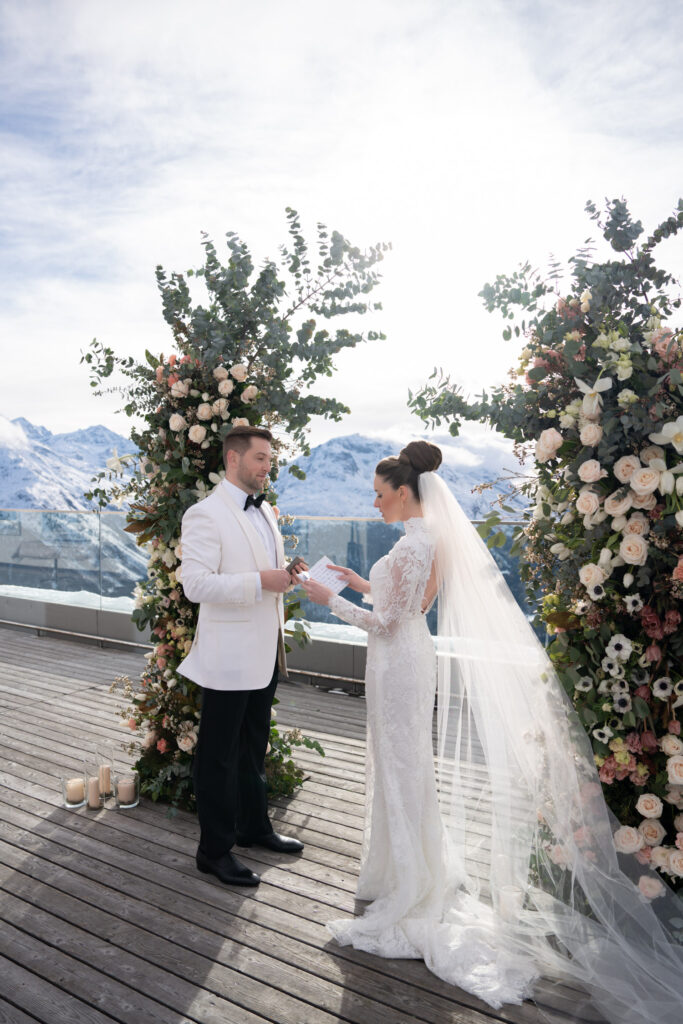
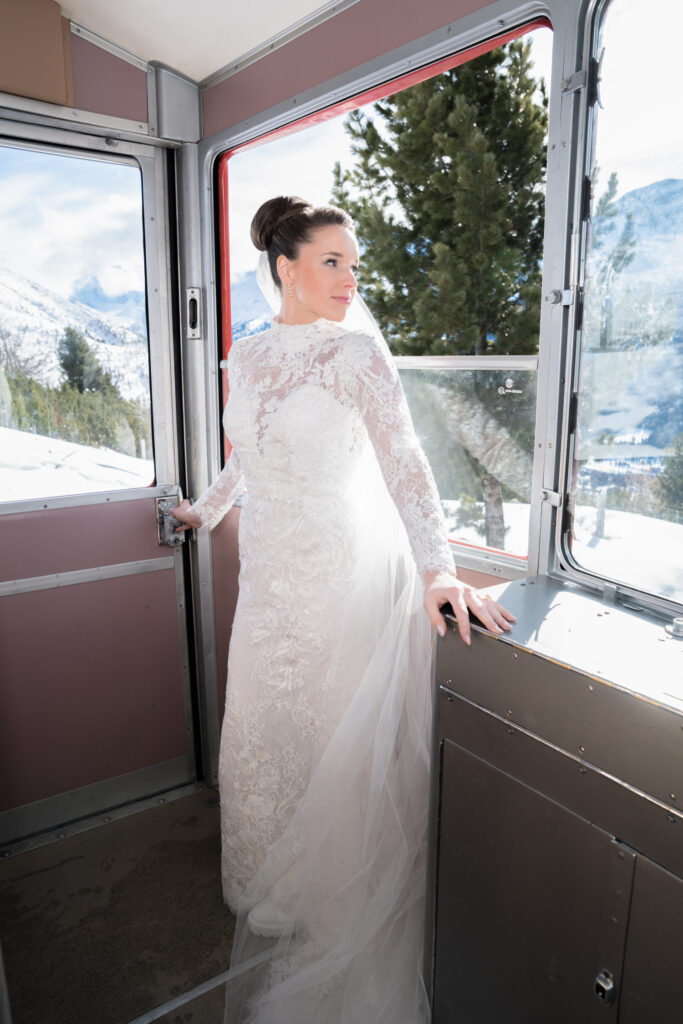
Getting married in Austria is possible all year round — and Austria is more versatile than many other wedding destinations, as the different regions come into their own in different seasons. Anyone planning to get married in Austria should consider the season and the region together – they are interdependent.
Spring and Autumn — the strongest months for castle and lake weddings
For a wedding in Austria, at the Salzkammergut, in the Wachau Valley or in Salzburg, May, June, September and October are the most photographically and atmospherically strong months. The light is soft, the temperatures are pleasant, and the landscape shows itself in its most beautiful form — without the overcrowding of high summer.
Marrying in Austria in May means: blooming fruit trees in the Wachau, fresh greenery on the lake shores, clear mountain air, and long evenings. September brings golden colours, calmer lakes, and a mood that feels like the end of a long, good day. For couples planning a wedding in Austria who value photographic quality, these months are the top recommendation.
Summer — peak season with festivals and advance planning
July and August are peak season for weddings in Austria. In Salzburg, this also means the festival season – the cultural highlight of the Austrian summer, which transforms Salzburg into an international stage during these weeks. Anyone planning a wedding in Austria, in or around Salzburg during the summer, should factor in the festivals as part of the supporting programme – they are a unique addition to a destination wedding in Austria.
Vienna in summer is hot, lively, and with its long evenings, ideal for garden weddings in historic palaces. The terraces of grand hotels, the parklands of castles, the promenades of the Prater — Vienna reveals its most accessible side in summer. At the same time, bookings are at their tightest during this period: at least eighteen months’ advance notice is advisable for peak season dates in Vienna and Salzburg.
Winter — Austria's strongest season for alpine weddings
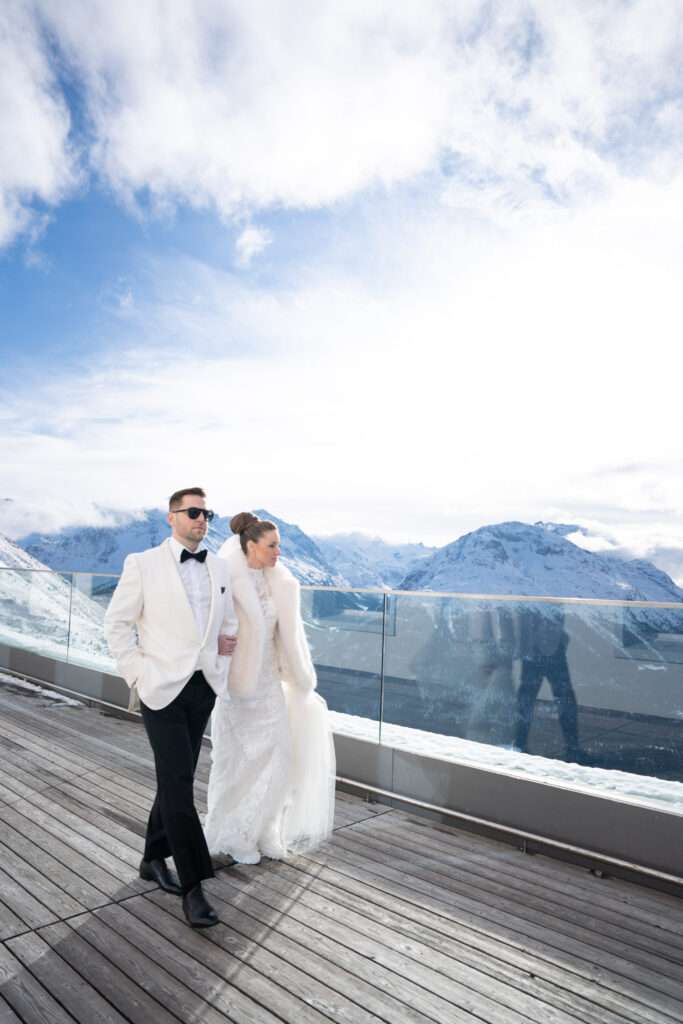
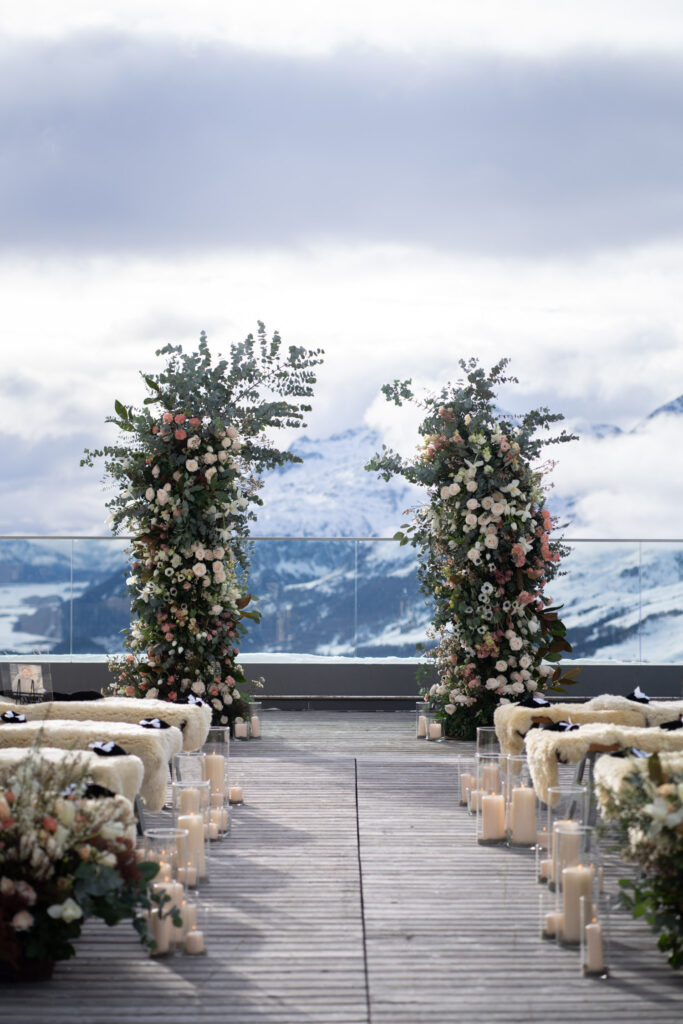
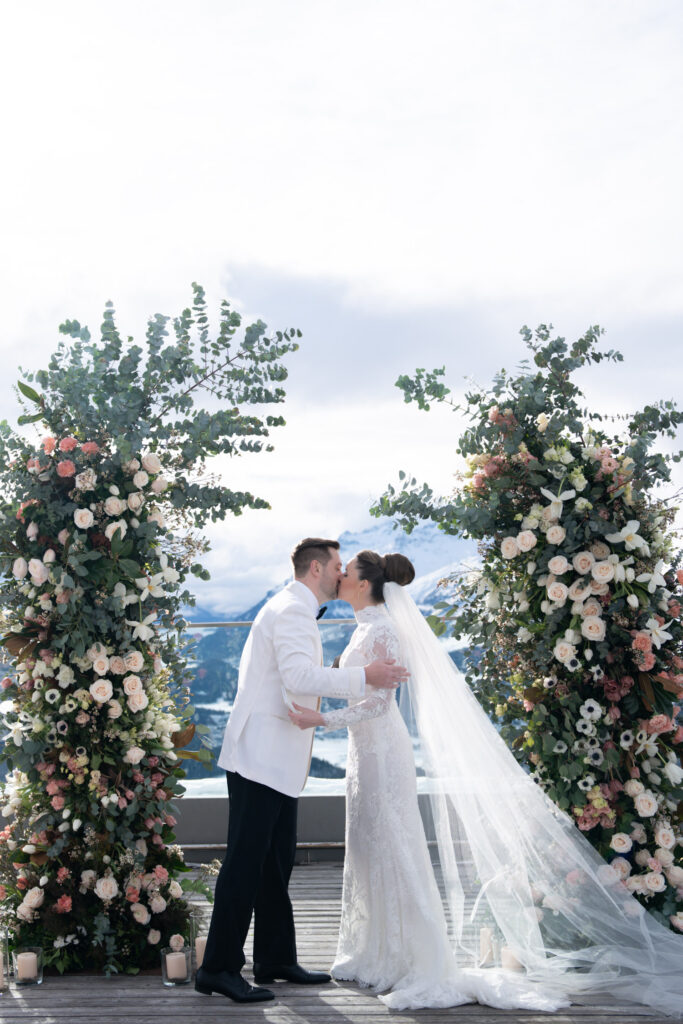
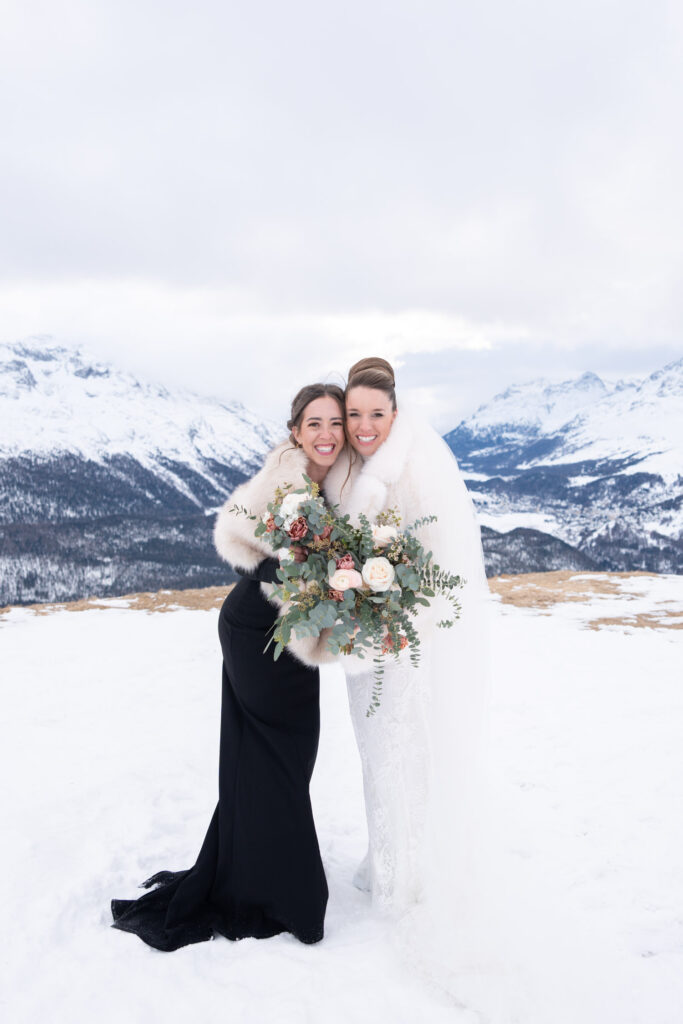
Winter is the most natural and strongest season for a wedding in Austria's alpine regions. Kitzbühel, Lech am Arlberg, Oberlech, Innsbruck, the Zillertal — all these regions reveal a quality in winter that cannot be replicated in summer.
A winter wedding in Austria is a completely different experience from a summer wedding. Snow, mountain air, warm interiors, the glow of candles against the white landscape outside – this creates an atmosphere that cannot be staged. It arises because the season brings it. For couples with a clear winter concept, Austria is one of the strongest destinations in all of Europe.
Even Vienna in winter has a special character. The Christmas season, the ball season, the State Opera in full swing – Vienna is Austria's most culturally dense city in winter, and a wedding in Vienna at this time has an atmosphere that is not as strong in any other season.
What a luxury wedding in Austria costs – a realistic estimate
The question of costs is the most central one when planning any wedding in Austria – and the one that is most rarely answered honestly online. This section provides a realistic orientation without fantasy figures.
In principle, getting married in Austria is more expensive than a comparable wedding in Germany, but cheaper than in Switzerland. In the luxury segment, prices for hotels, catering, and services are on a level comparable to France and northern Italy – higher in some areas, slightly lower in others.
Budget framework per region
Vienna and Salzburg are the most expensive regions for a wedding in Austria. Hotels, catering, and services cost significantly more here than in Tyrol, Styria, or Vorarlberg. For a luxury wedding in Vienna or Salzburg with fifty to a hundred guests and a multi-day programme, realistic total budgets of between €80,000 and €250,000 should be calculated — depending on the location, duration, and chosen services.
The Salzkammergut and Rosewood Schloss Fuschl are in a similar price bracket to Salzburg – exclusivity comes at a cost. Tyrol and Vorarlberg often offer slightly more affordable options for luxury alpine weddings compared to city regions. Styria and the Wachau are the most accessible regions for a luxury wedding in Austria.
Where Budget Really Makes an Impact at a Wedding in Austria
The most important takeaway from a luxury wedding in Austria is the same as with any other luxury destination: it's not the total budget that determines quality, but how it's allocated. A wedding in Austria that is precisely planned on a moderate budget will appear more impressive than one with a high budget but without a clear concept.
Lighting timing, sequence planning, the conscious design of transitions — these decisions cost little to nothing, but can alter the entire impact of an Austrian wedding. An experienced photographer who understands Austrian light, knows how to showcase castle architecture, and how to make use of the moment just before sunset on Wolfgangsee will make more of a difference than any additional decorative element.
What a castle wedding in Austria costs
A castle wedding in Austria has its own cost structure, which differs from that of classic hotel venues. Many castles require exclusive booking – meaning that all of the premises, and often all of the accommodation, must be taken by the wedding party for the wedding day. This is a significant cost factor that is often underestimated in the overall budget.
Additionally, castle venues often require external service providers for catering, technology, and decoration – the castle itself is the setting, and everything else must be brought in from outside. An experienced Austrian wedding planner is familiar with these structures and can create realistic overall cost calculations long before a couple has decided on a venue.
Wedding Planner Austria — how to find the right one
In most cases, a wedding planner from Austria is indispensable for a destination wedding from abroad. But how do you find the right planner in a foreign country – in an industry where many position themselves as luxury experts, but only a few actually work at that level?
What makes a good wedding planner in Austria
A good wedding planner in Austria demonstrates their quality not through Instagram pictures, but through consistency. Their weddings don't just look good by chance – they follow a clear line, regardless of location, region, or guest number. This is precisely the strongest quality signal.
The local network is crucial. Anyone planning a luxury wedding in Austria needs a planner who works with Austria's best florists, caterers, musicians, and photographers – and who is known and respected within this network. The best service providers don't work with just any planner; they work with those who operate at their level.
For international couples planning a destination wedding in Austria from abroad, experience with remote planning is another important criterion. A planner who is accustomed to guiding couples via video, making decisions digitally, and structuring processes to function even without a permanent on-site presence saves an enormous amount of time and stress.
What a wedding planner in Austria costs
An experienced Austrian wedding planner will either work with a percentage of the total budget – typically between ten and twenty percent – or with a fixed project fee. For an Austrian wedding with a total budget of €150,000, this means a planner's fee of approximately €15,000 to €30,000.
In the context of a destination wedding in Austria, this is not an excessive amount. A good planner reduces errors, optimises the budget in the right places, and ensures that the overall result meets — or exceeds — expectations. For a wedding that is already in the six-figure range, a planner is one of the most valuable investments.
Marrying in Austria as a destination wedding — what you offer your guests
Getting married in Austria isn't just a decision for the couple – it's a decision for the guests. A destination wedding in Austria offers guests an experience that goes far beyond a single wedding day. And that's precisely what motivates many couples: to give their guests not just a celebration, but an experience.
Arrival and accessibility for international guests
Austria is one of the most easily accessible countries for European guests. Vienna has one of the largest international airports in Central Europe, with direct connections from almost all European cities, as well as from the USA, the Middle East and Asia. Salzburg has its own airport with connections from Germany, Great Britain and other European hubs.
For guests travelling to the west or alpine regions of Austria, Munich and Zurich are the nearest major airports. Tyrol and Vorarlberg are reachable by car from Munich in two to three hours – effectively a day trip for German guests. This makes Austria's accessibility considerably easier for most European couples and their guests than many people realise.
The Austrian rail network connects all major cities reliably and comfortably. Vienna can be reached from Munich by train in under four hours, and Salzburg in under two hours. For guests without a car, Austria is therefore one of the most accessible foreign destinations in Europe.
Framework programme and multi-day weddings in Austria
A destination wedding in Austria truly comes into its own over several days. Austria offers a natural programme of activities that needs no artificial staging: concert visits in Vienna, festivals in Salzburg, boat trips on Wolfgangsee, skiing in Kitzbühel or Lech, wine tastings in the Wachau, hikes in the Tyrolean mountain landscapes, spa days in the Alpine luxury resorts.
Anyone planning a wedding in Austria and structuring a Welcome Dinner, a wedding day, and a Farewell Brunch offers their guests three complete experiences. The Welcome Dinner could be an informal evening in a Viennese palace, a boat trip on Wolfgangsee or a Heurigen evening in the Wachau. The wedding day follows the classic schedule. The Farewell Brunch takes place on a terrace with a mountain or lake view.
This structure – and the ease with which it can be implemented in Austria – is one of the strongest arguments for a destination wedding in Austria over other wedding destinations.
Conclusion — for whom marriage is the right decision in Austria
Getting married in Austria is one of the most versatile and yet substantial decisions a couple can make when planning their wedding. No other European country combines such a wide range of wedding possibilities in such a small area – from the imperial grandeur of Vienna to the baroque romance of Salzburg, to the alpine exclusivity of Tyrol and the quiet beauty of the Salzkammergut.
What makes getting married in Austria so special in the long run is the depth. Not the visual loudness as on the Amalfi Coast or the Côte d’Azur, but a cultural and historical substance that feels so natural in no other destination. A wedding in Austria in a castle by a lake, in a Viennese city palace, or in a Tyrolean mountain resort is not just beautiful – it is meaningful.
For couples planning a luxury destination wedding in Austria, choosing the right region is the crucial first step. Vienna, Salzburg, Salzkammergut, Tyrol, Wachau, Styria, Vorarlberg – each region has its own identity and is suitable for different concepts. Those who make this decision consciously and choose a location that truly fits their own vision lay the foundation for a wedding in Austria that will have a lasting impact.
Getting married in Austria is worthwhile for couples who prioritise substance over spectacle. Those who want to feel the history in the place where they are getting married. Who want to give their guests not just a celebration, but an experience. And who understand that a wedding in Austria only unfolds its full potential when it is planned correctly – with the right service providers, the right concept, and a deep understanding of what this exceptional location has to offer.
A well-planned wedding in Austria leaves a lasting impression. Not because of the photos. But because of the feeling that this extraordinary country and its people leave behind.