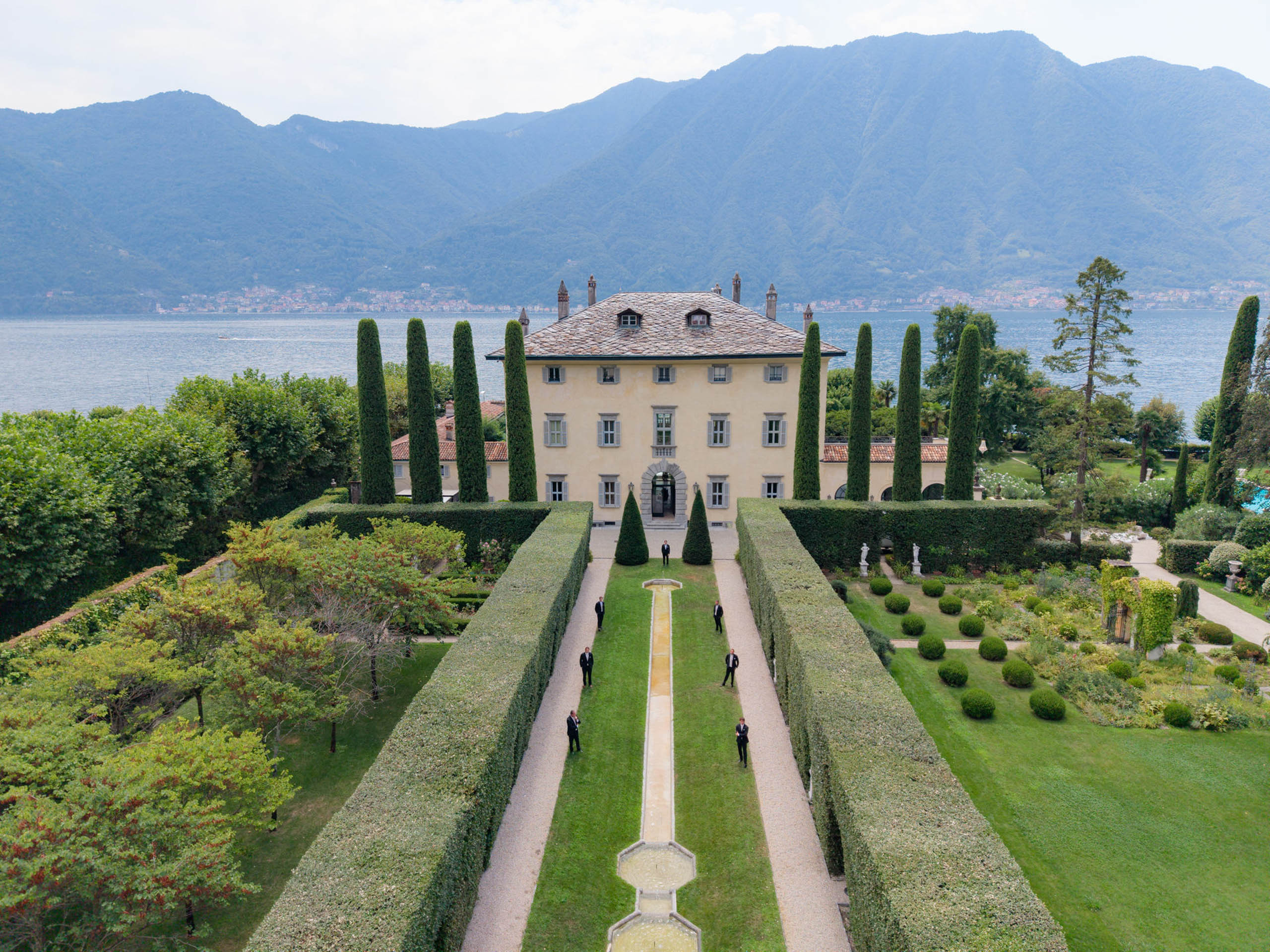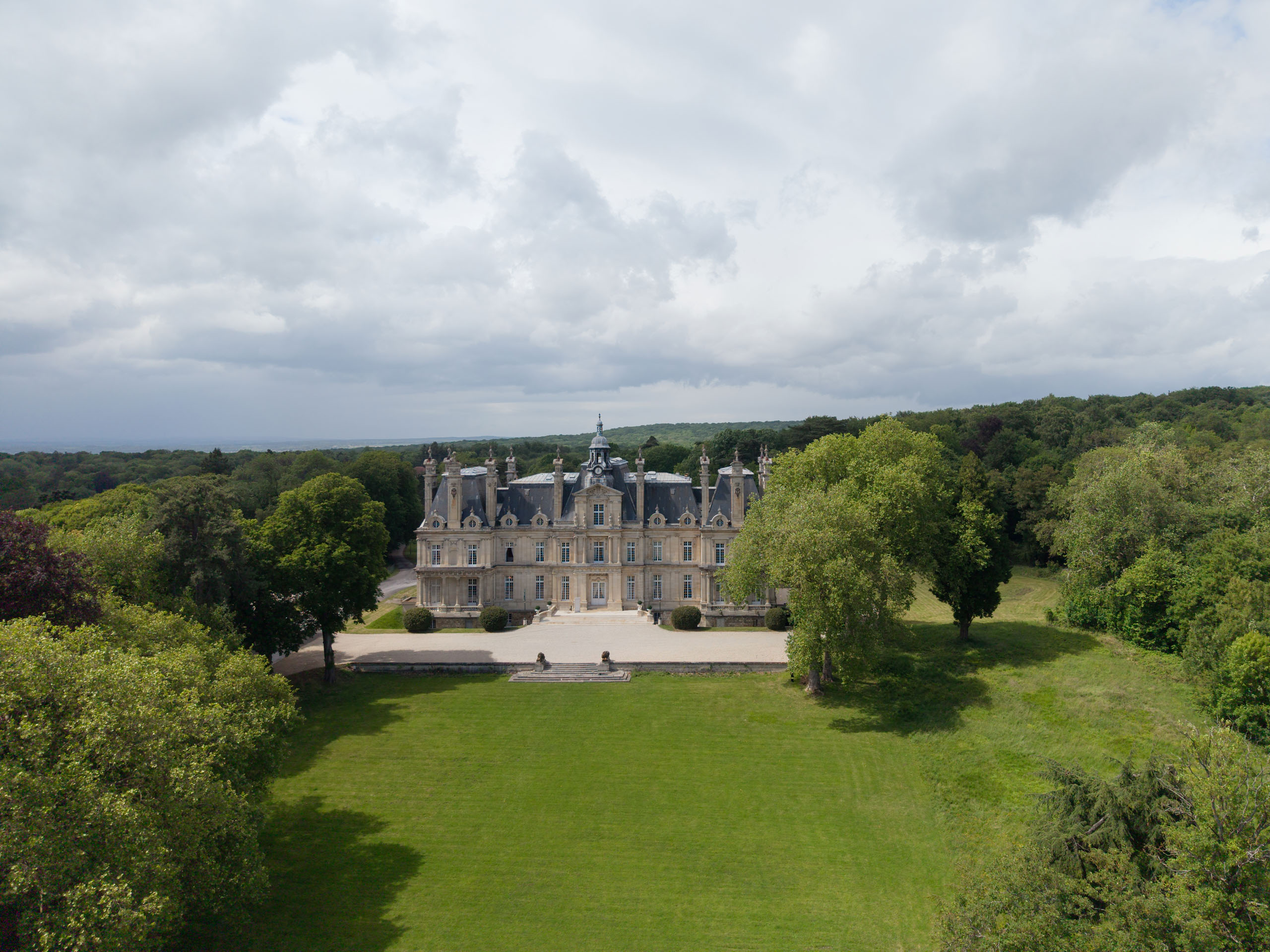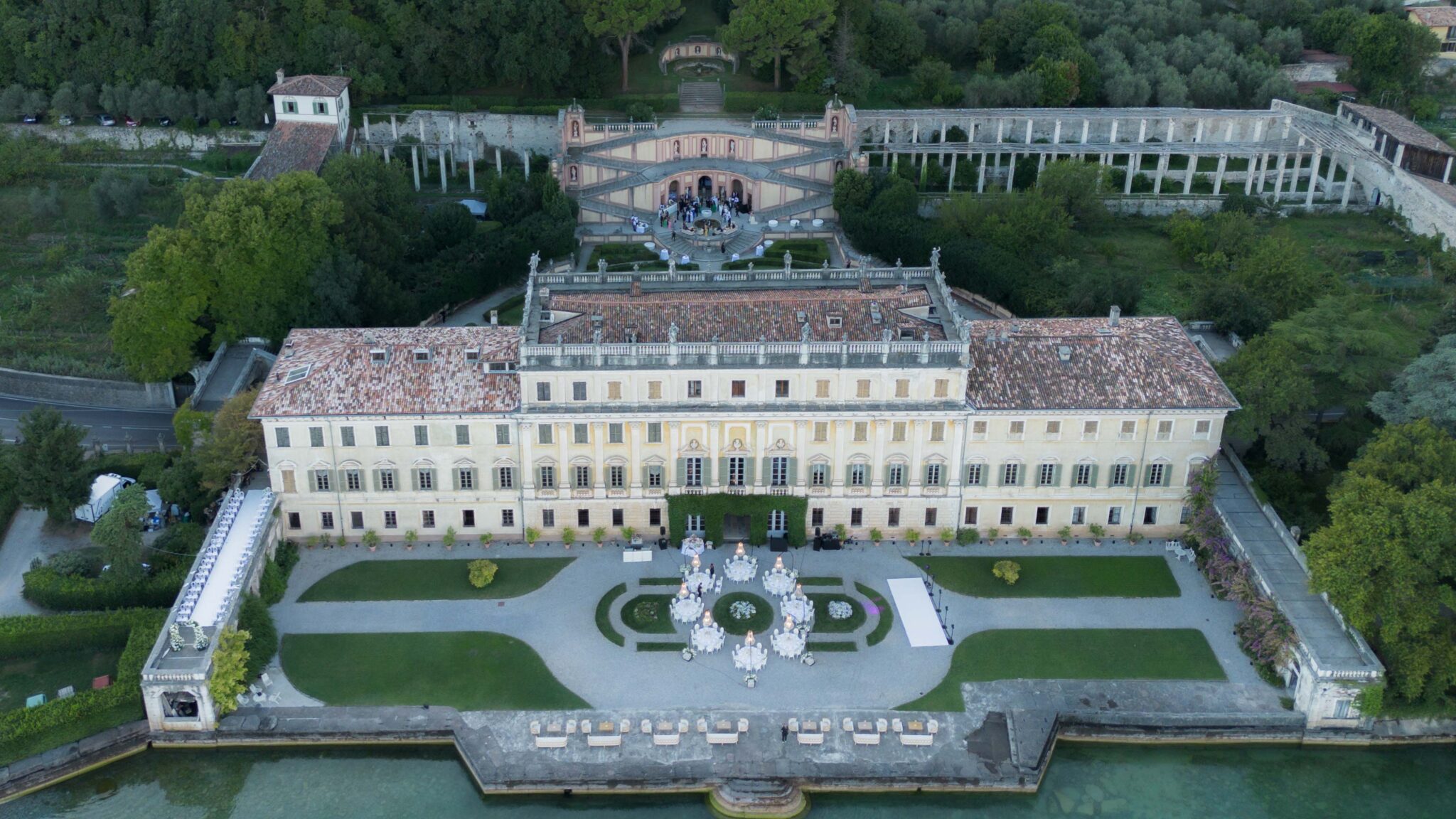
The grandeur of the location, the abundance of flowers, the high-quality wedding attire, the elaborate catering spread, the meticulously curated details, and the sheer scale of the celebration all contribute to the perception of an expensive Italian wedding in photographs.
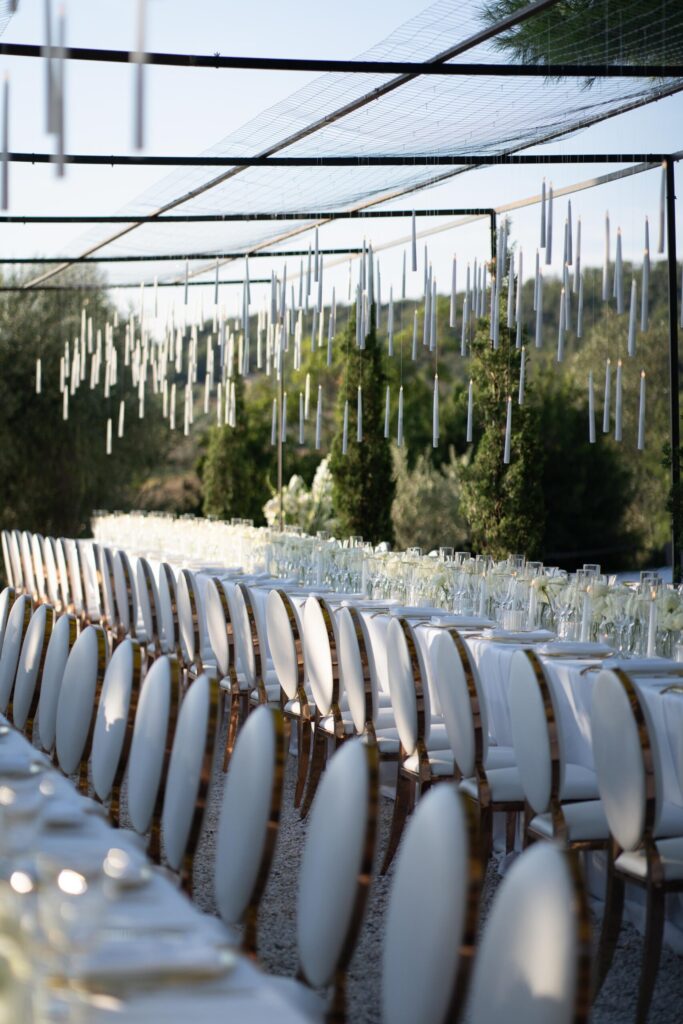
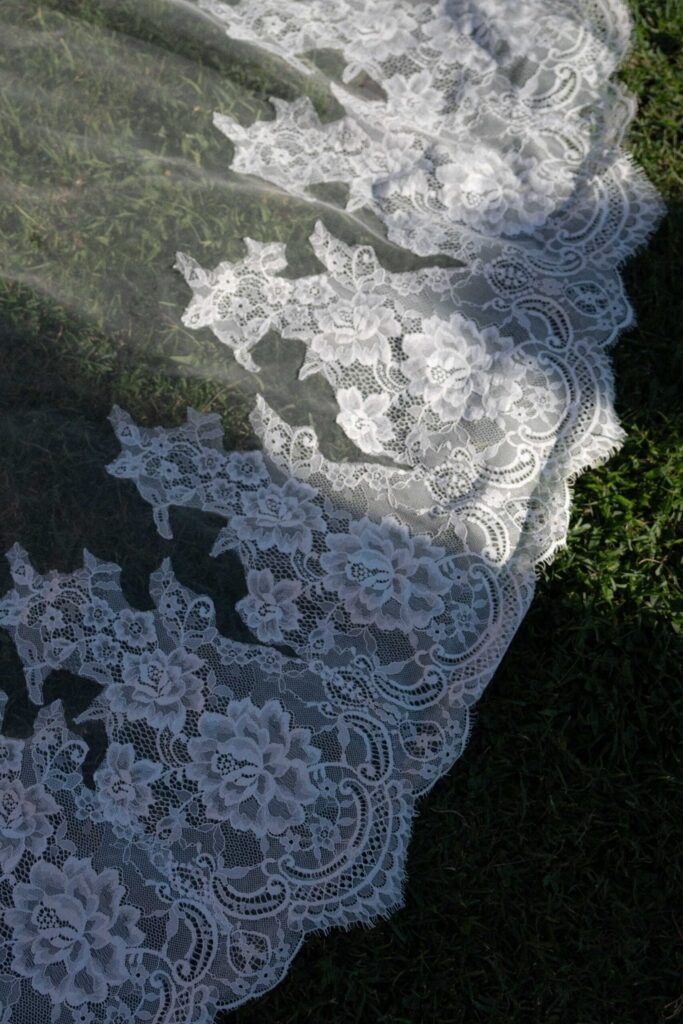
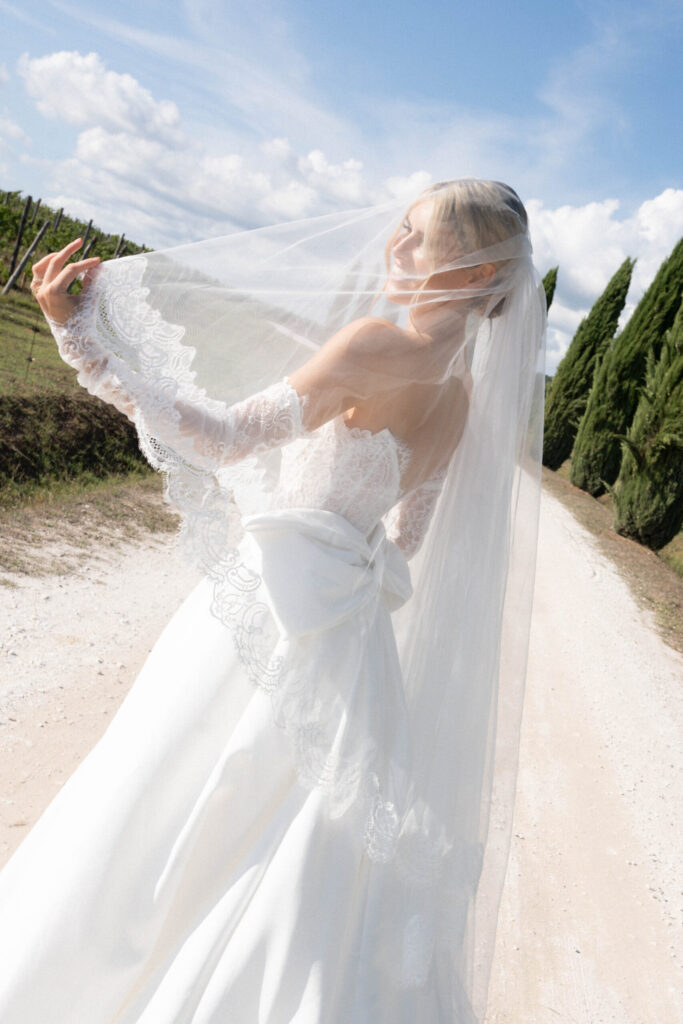
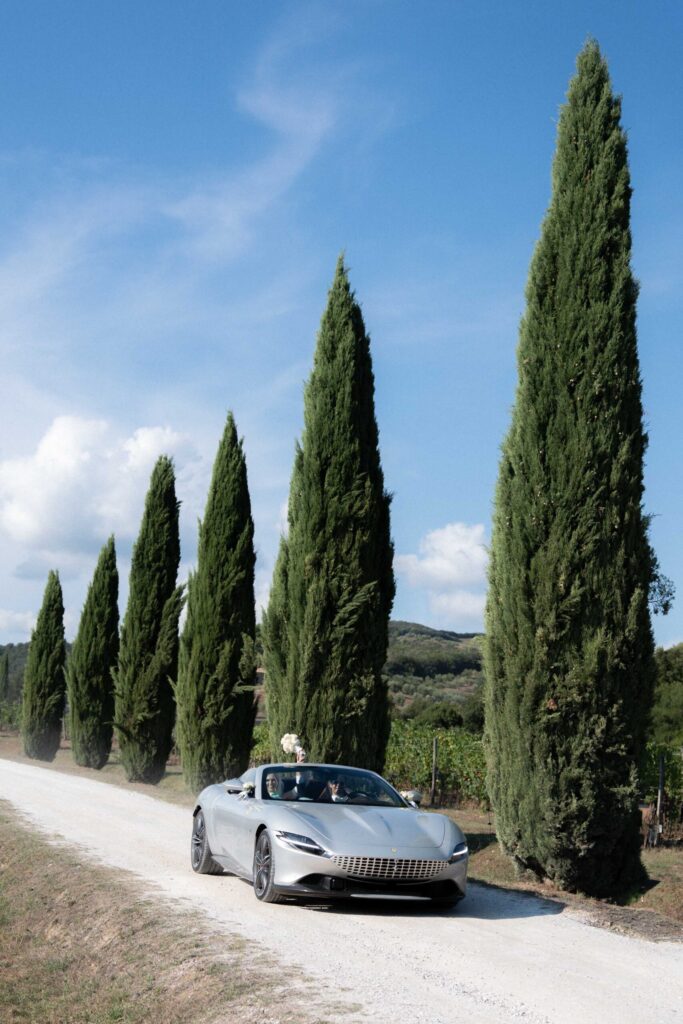
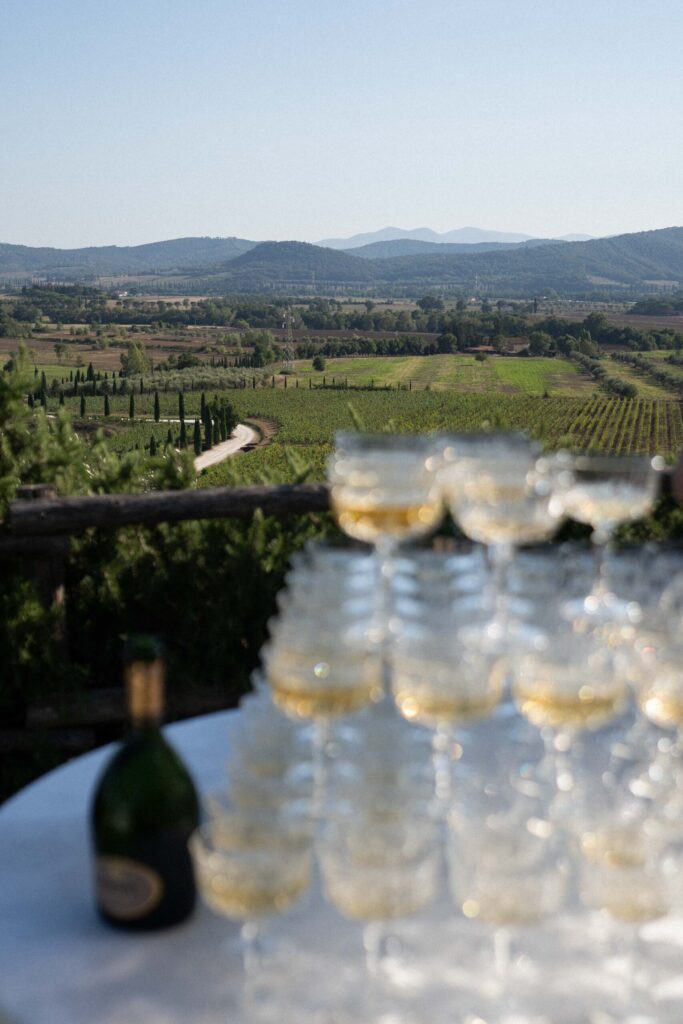
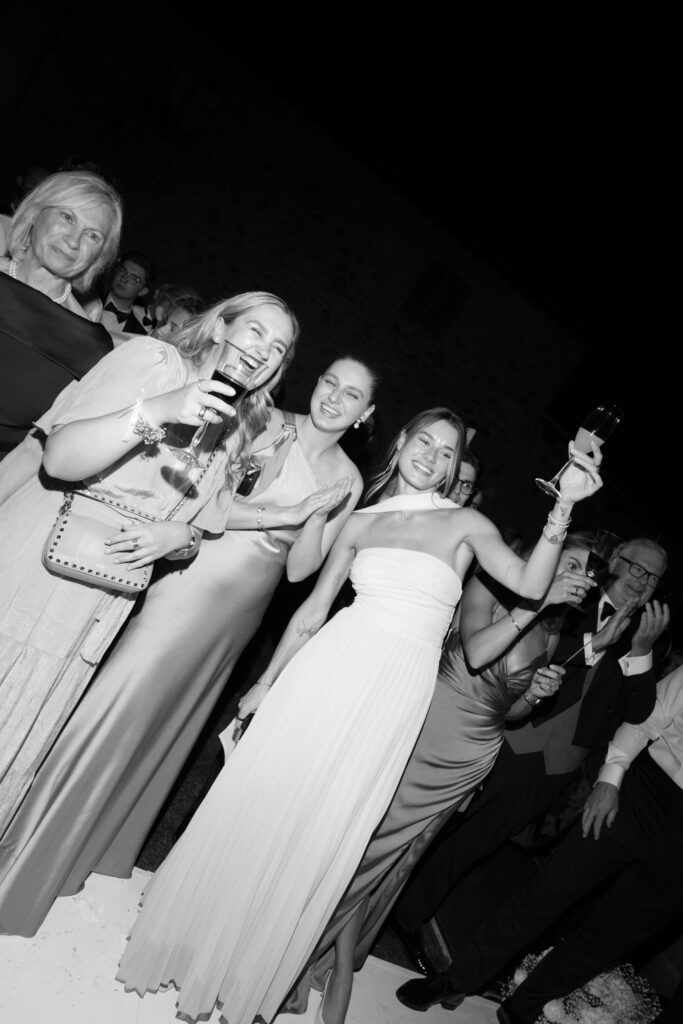
Weddings in Italy represent a clear vision for many couples: warm evenings, long tables, a certain ease that doesn't feel staged.
And yet, in reality, there is a clear difference.
Some weddings in Italy immediately appear calm, high-quality, and almost effortless in photos. Others, however, remain visually restless or generic despite high budgets.
What's noticeable about this:
It is rarely a question of „more“. It is a question of Precision.
A considered wedding aesthetic doesn't arise from individual choices, but from an understanding of how light, architecture, materials, and processes work together. This is precisely where weddings visually distinguish themselves from one another.
In Italy, light not only creates brightness but also a spatial depth that must be consciously utilised.
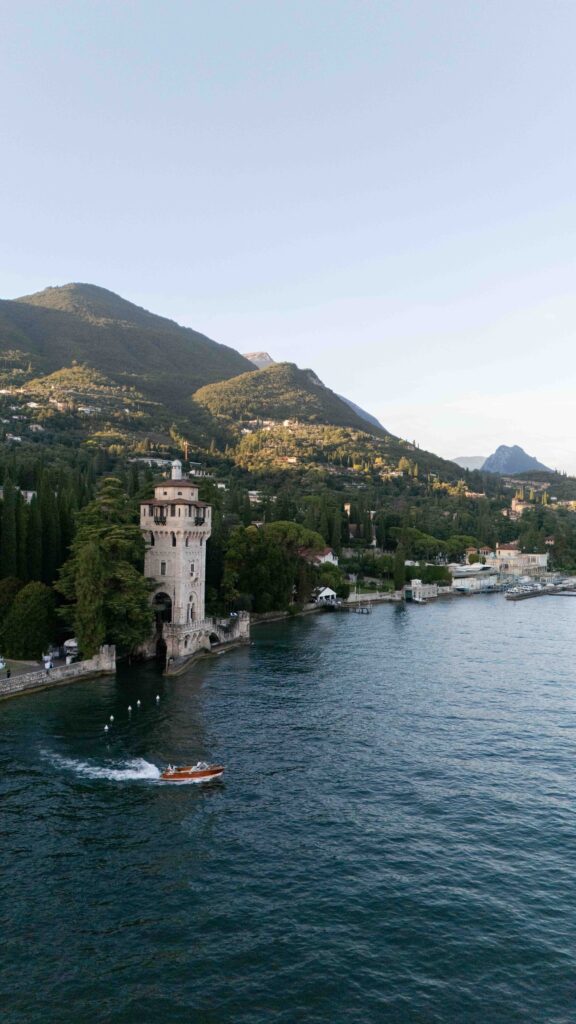
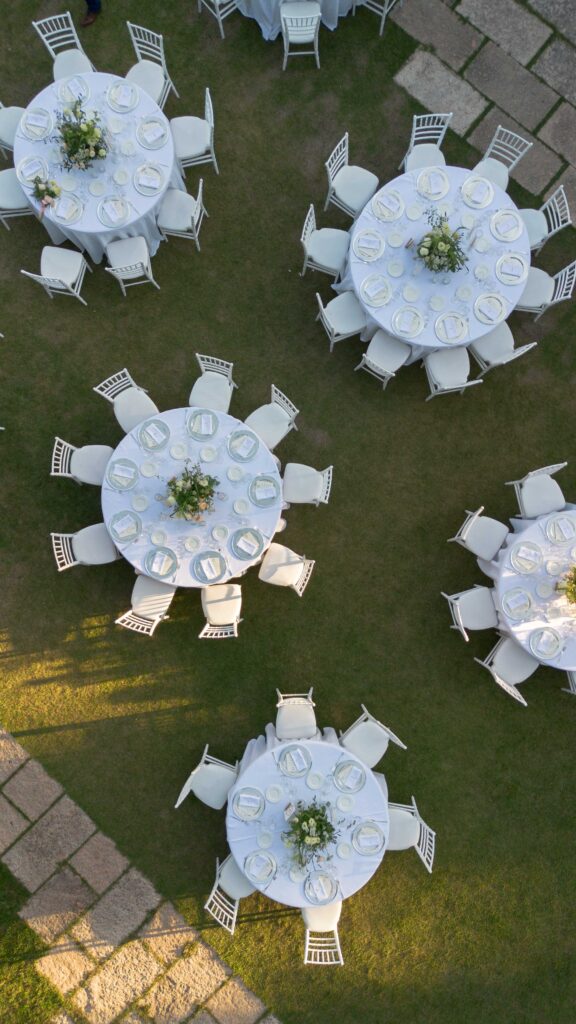
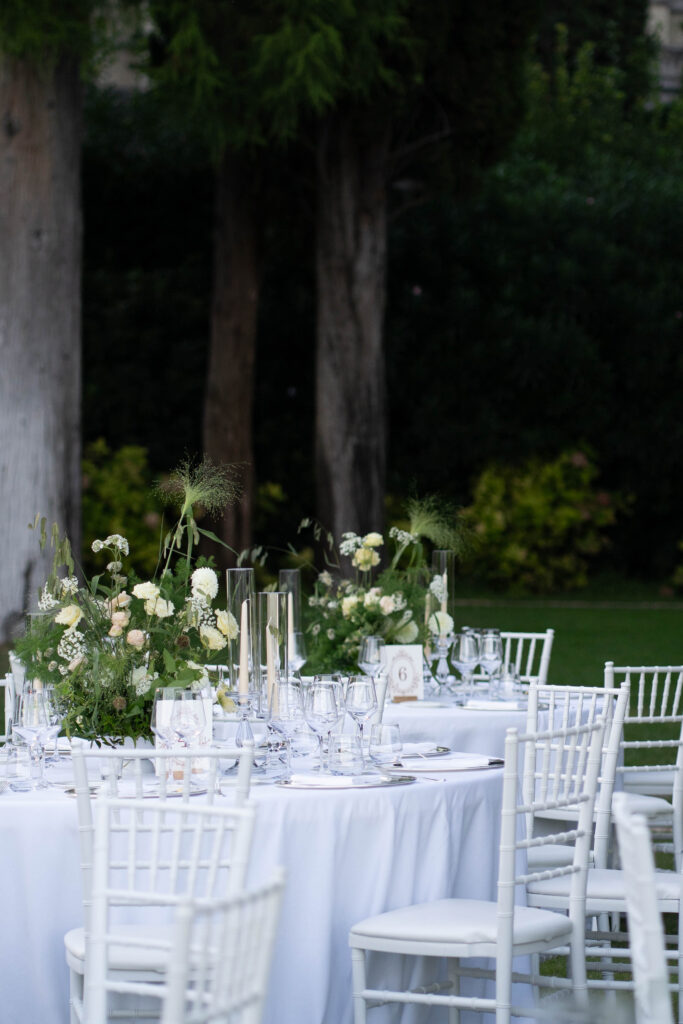
Anyone who works regularly in Italy quickly notices: light here is not a neutral element.
It transforms spaces. It sculpts faces. It settles like an additional layer over every scene.
A special softness arises on Lake Como or in Tuscany in the late afternoon. Shadows lose their harshness, contours appear calmer, colours become more muted and at the same time warmer.
The problem is not that this light is missing – but that it is often not used.
Many schedules are still based on classical timings rather than light conditions. Ceremonies take place too early, dinners start too late in the dark, or important moments are planned in rooms that completely block out light.
A visually strong wedding thinks the exact opposite.
The process follows the light – not the other way round.
This means specifically:
The most emotional moment of the day happens when the light is at its calmest. Transitions are placed to ensure brightness changes naturally. And spaces are chosen not just for their capacity, but for how they guide light.
What arises from this is not „nicer lighting“, but a palpable depth in the images, which cannot be manufactured artificially.
Why the timing of weddings in Italy changes the entire visual impact
When weddings take place in Italy, the date is often decided based on availability – and the timing is one of the strongest creative factors there is.
Spring, summer or late summer each bring a completely different mood.
The light in May is clearer and fresher, while in high summer it seems softer and heavier. In September, the balance of warm light and calm atmosphere that many couples intuitively seek is often created.
But it's not just the time of year that plays a role, but also the time of day itself.
One Matrimonio in Italia rarely unfolds its full visual impact in the midday sun.
The crucial hours are in the late afternoon and the transitions into evening – precisely where light softens and spaces gain depth.
Whoever consciously chooses the timing not only designs the sequence of events but the entire atmosphere of the wedding.
And it is precisely this atmosphere that later becomes visible in images.
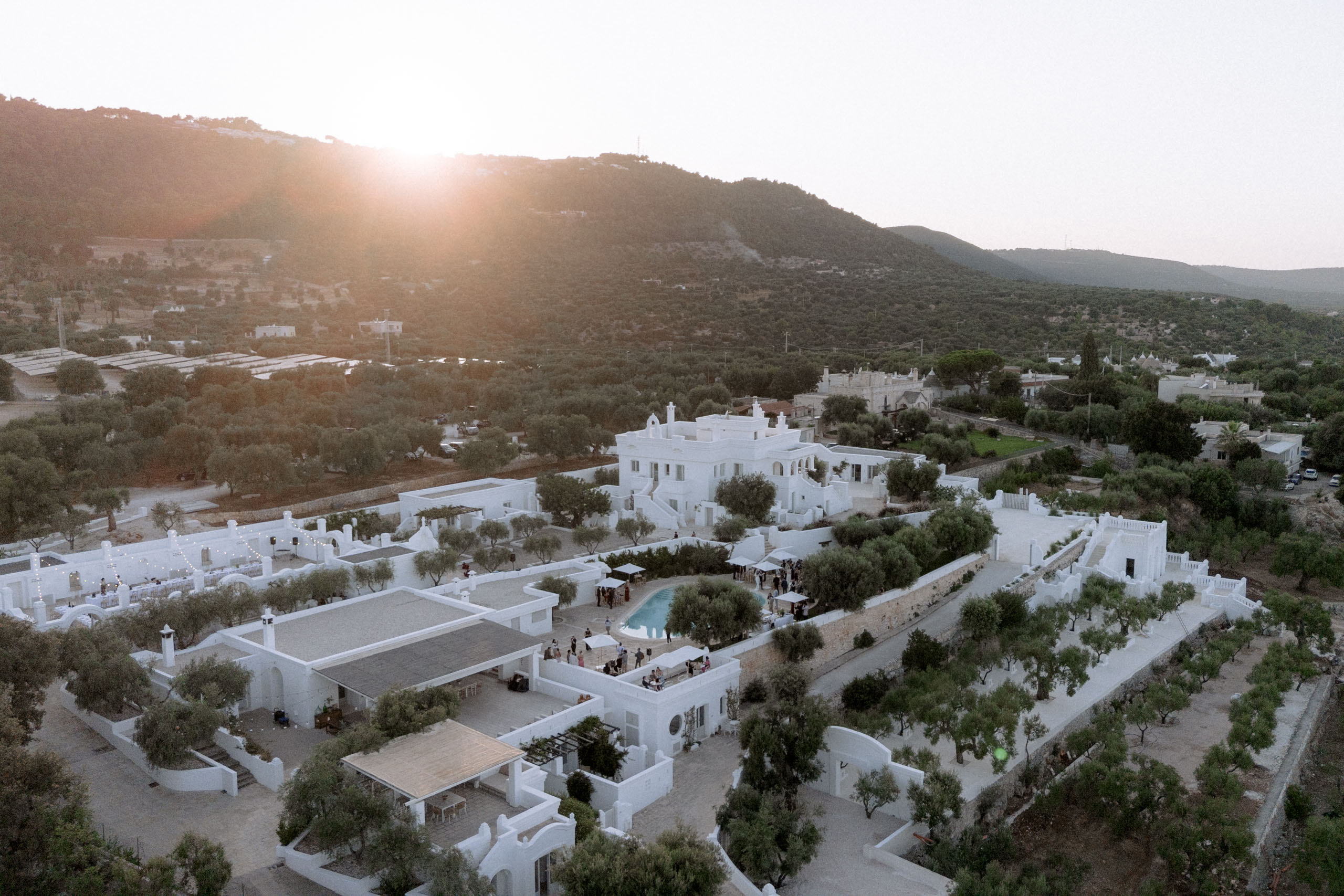
The architecture determines whether a wedding is visually compelling.
Italian locations have a characteristic that is often underestimated:
You are already complete.
A villa, a masseria, or a historic estate brings with it materials, colours, and proportions that have developed over decades. These places don't function like a blank canvas – they are already a finished composition.
This is where a common mistake often occurs.
If an attempt is made to „redesign“ this existing structure, the place loses its impact. Spaces become visually overloaded, lines disappear, proportions are broken.
A high-quality wedding, instead, recognises that architecture doesn't need to be supplemented – but wants to be read.
This is evident in small but crucial details:
Tables are not placed arbitrarily, but follow axes and sightlines. Floral elements orient themselves to existing colours, rather than forcing new contrasts. Materials pick up on what is already there, rather than working against it.
This creates something crucial, especially in terms of imagery:
Silence.
And it is precisely this calm that makes images appear high-quality – not because they are reduced, but because they in harmony.
Reduction is not renunciation, but a conscious form of control
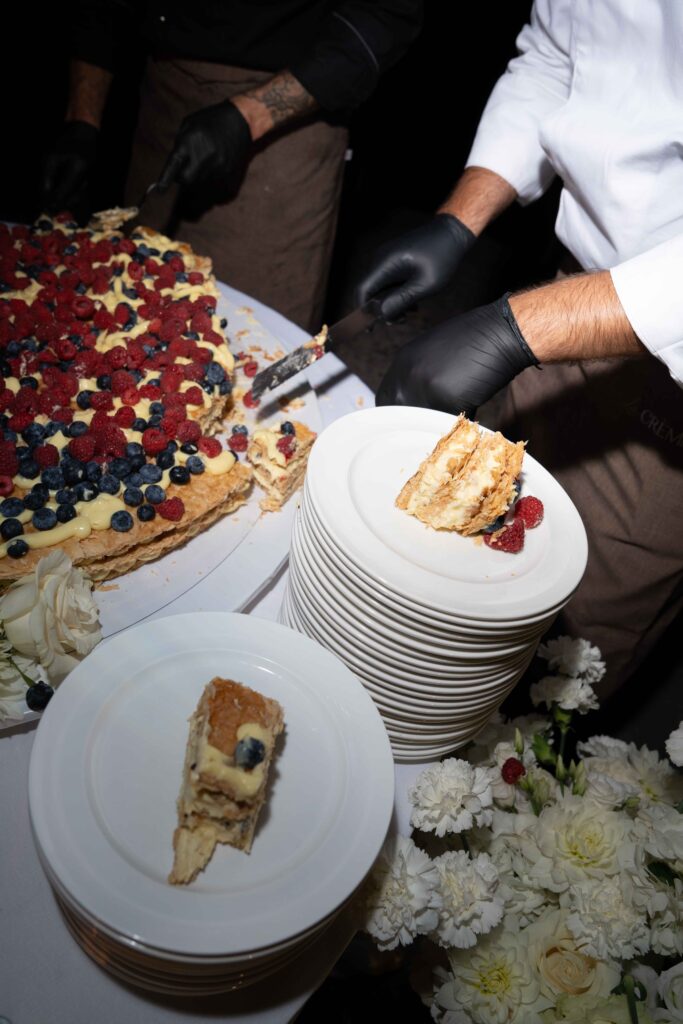
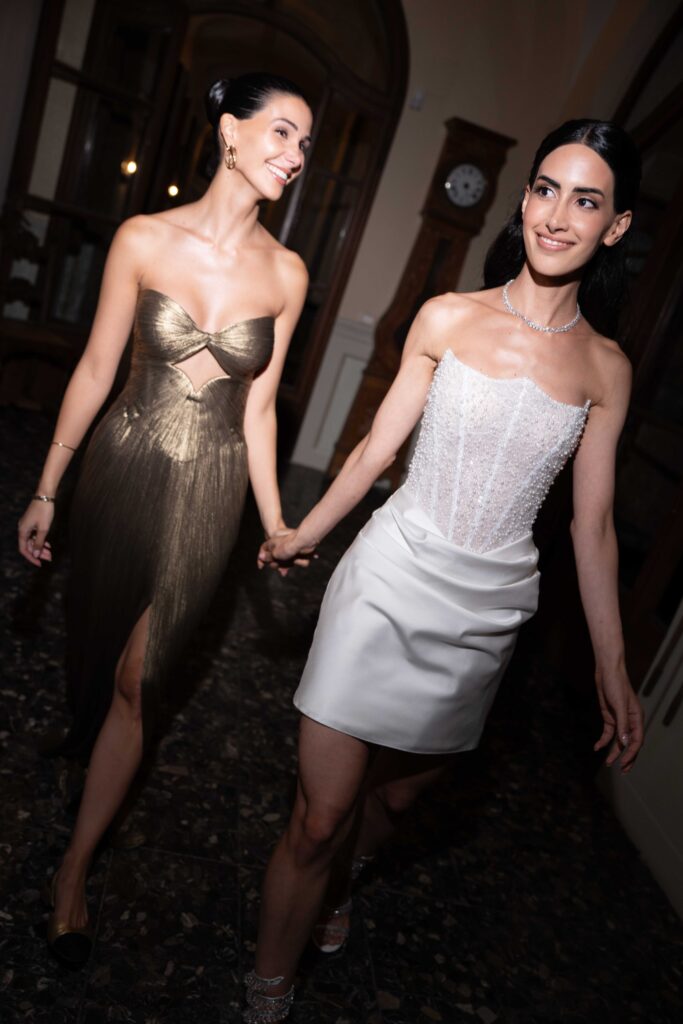
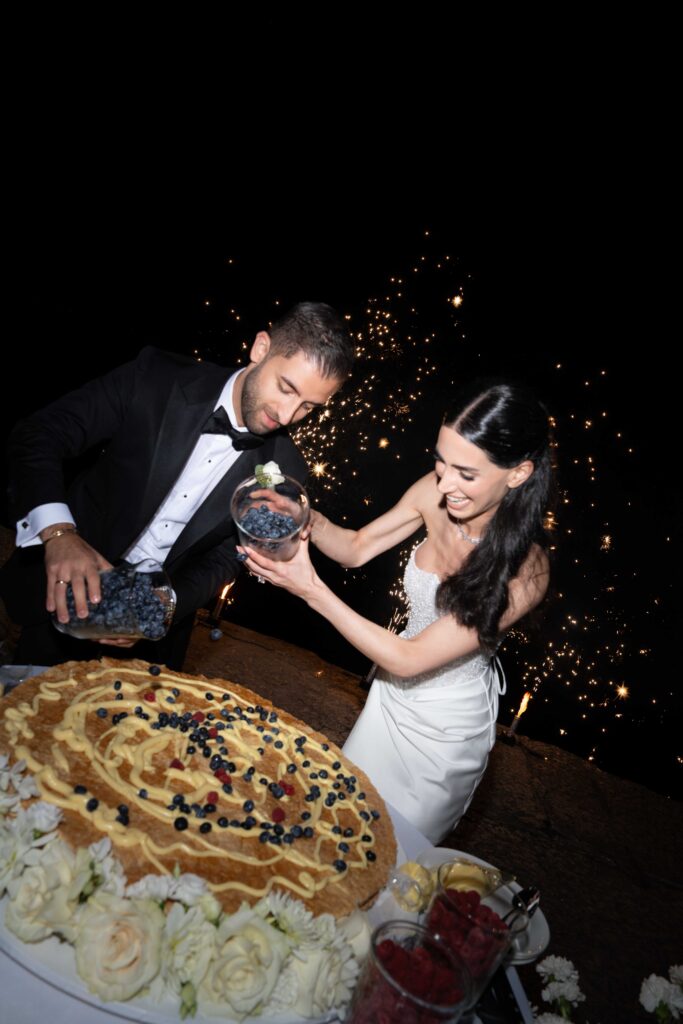
A common misconception is that elaborate design automatically leads to stronger images.
In practice, however, the opposite is true.
The more elements there are at the same time, the harder it becomes to create a clear focus. The eye jumps, details compete with each other, and even high-quality individual components lose their impact.
In this context, reduction doesn't mean having less – it means choosing more consciously.
What elements really contribute to the atmosphere?
Which are merely present, without reinforcing anything?
This is particularly evident in table designs. A clean line, high-quality materials, and strategically placed accents create more impact than a multitude of decorative details.
This results in a crucial advantage in photographic implementation:
Pictures gain structure. Lines become visible. Movements appear more natural because they are not disturbed by visual clutter.
The result is recordings that are not loud, but Precise and timeless.
Colour concepts must subordinate themselves to the location – otherwise they will appear artificial
Colours react differently in Italy than in controlled indoor environments.
The light changes them. Surfaces reflect them. And the surroundings place them in a context that cannot be ignored.
A common mistake is to develop colour concepts independently of the location. Colours that work on mood boards often lose their impact on site or suddenly appear too harsh.
A thoughtful wedding aesthetic therefore doesn't begin with colours – but with observation.
What tones are already present?
Wie verändert sich das Licht im Laufe des Tages?
What materials dominate the environment?
Building on this, colour worlds emerge that don't need to stand out to be effective.
You fit in, enhance what exists, and create visual continuity.
In pictures, it's immediately apparent:
Colours appear calmer, transitions smoother, and the overall image gets a natural harmony, which cannot be artificially generated.
The flow of a wedding anniversary dictates the visual language – not just the experience.
Many couples invest a lot of time in design decisions but underestimate how much the layout influences the visual impact.
He is precisely the connecting element between all the design components.
A wedding that works visually doesn't have a rigid timetable.
She has a rhythm.
Moments flow into one another. Guests are intuitively guided without feeling controlled. Spaces transform without breaks.
An aperitif that expands because the light is just right.
A dinner that doesn't start until the atmosphere is just right.
A transition into evening that doesn't happen abruptly but develops.
This kind of staging is subtle – but crucial.
For in the Photography aren't the strongest images created not by individual highlights, but by Continuity and atmosphere.
What many underestimate: luxury often arises from the invisible decisions.
The highest-quality weddings are rarely distinguishable by individual elements.
It's not the flowers, not just the location, and not the budget.
It's the things that aren't immediately obvious:
The distance between tables.
The decision to leave a room empty.
The timing of a moment.
Conscious restraint in certain places.
These decisions are not spectacular – but they shape the overall picture.
And precisely here lies the difference between a wedding that has been designed and one that has simply been organised.
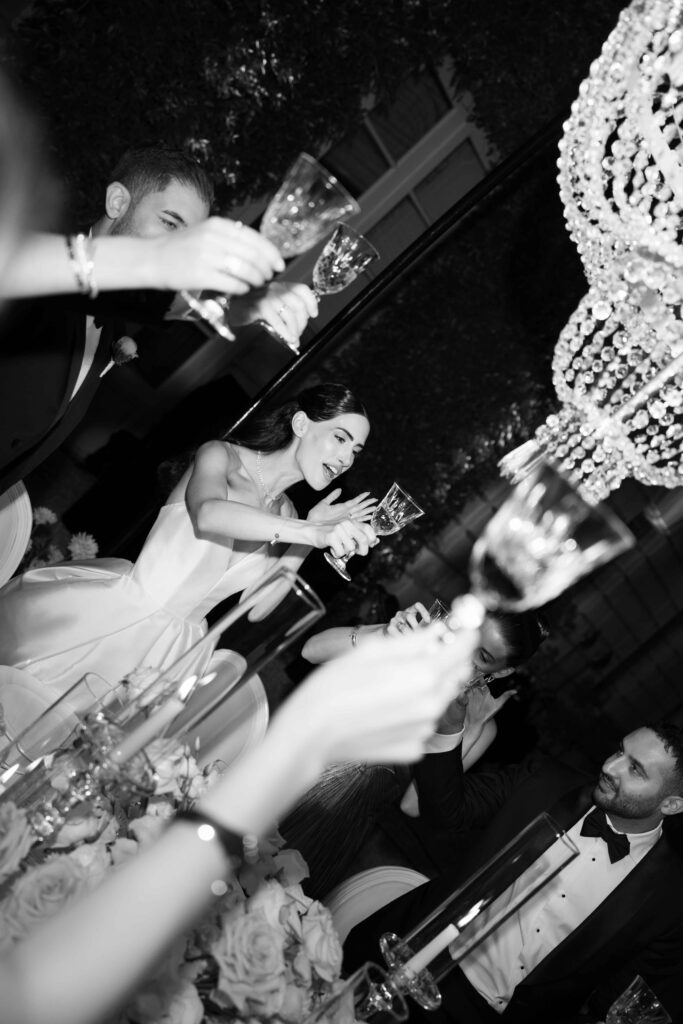
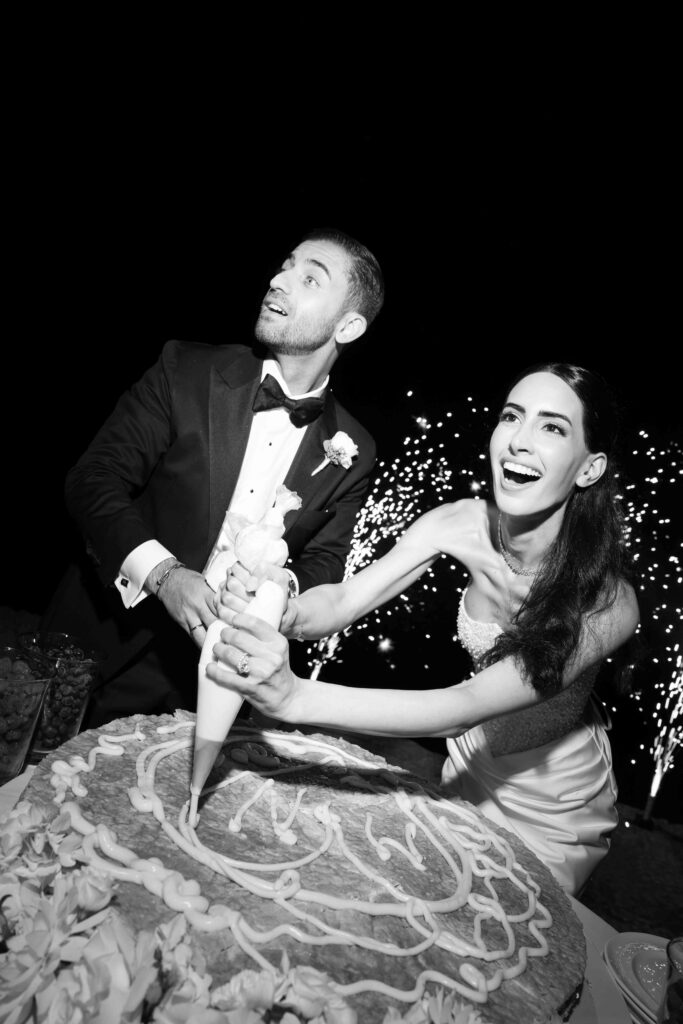
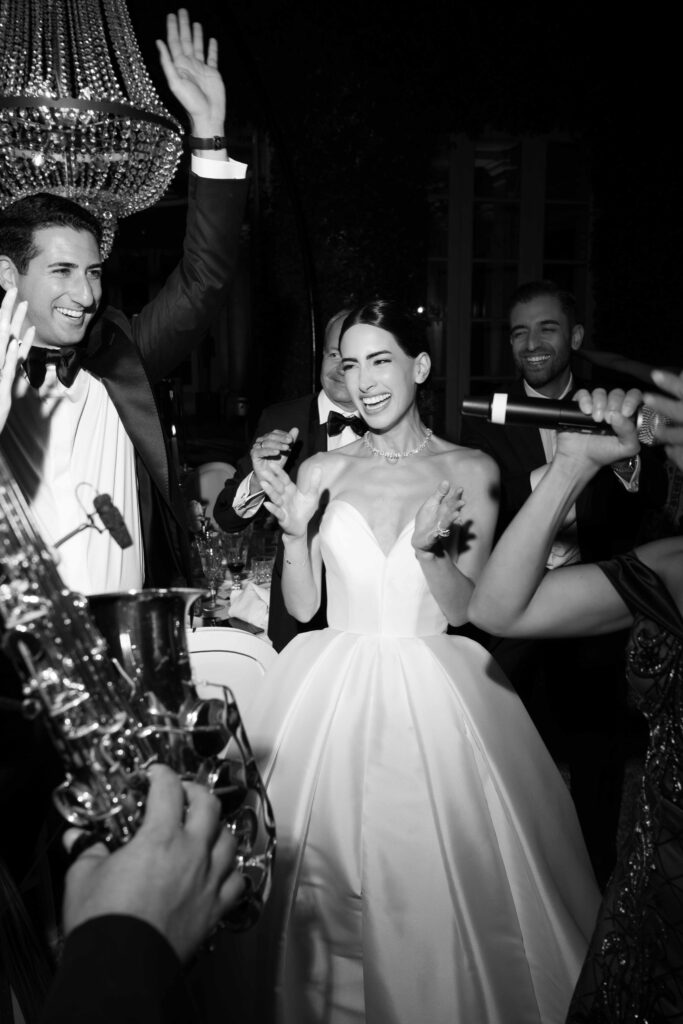
A wedding in Italy doesn't automatically seem luxurious – it's made to be.
Italy offers an exceptional foundation. Light, architecture, and landscape create conditions that hardly any other country combines in this form.
But this foundation alone is not enough.
Only through conscious decisions does visual clarity arise, which runs through the entire day.
A wedding in Italy appears high-quality when it doesn't try to impress, but instead follows a clear direction. When design is reduced, not added to. When atmosphere isn't accidental, but consciously allowed to emerge.
The Wedding Aesthetic is by no means the final step.
She is the starting point.
And it is precisely she who decides whether images merely document – or whether they possess a Transporting a mood that lasts.
Weddings in Italy for many couples begin with the search for the perfect location. Lake Como, Tuscany or the Amalfi Coast – the choice is vast, and each region brings its own aesthetic.
But this is often where the first misconception lies.
One Matrimonio in Italia is not defined by location alone, but by the way all elements are conceived together. Light, daily routine, design, and atmosphere cannot be separated from one another – they influence each other.
It is precisely during the planning phase that the crucial importance of developing a feel for the desired wedding aesthetic early on becomes apparent.
Not as a style, but as a basis for all further decisions.
Which rooms work at what time of day?
Wie verändert sich das Licht im Laufe des Tages?
Which colours arise naturally from the environment?
Only when these questions have been answered will a beautiful location transform into a visually cohesive wedding.
Because a wedding in Italy doesn't seem high-quality just because it takes place in a special location – but because it imbues that location correctly used.
Why the choice of region in Italy influences more than just the scenery
Anyone planning a wedding in Italy is not just choosing a country, but always a very specific atmosphere as well.
Regions such as Lake Como, Lake Garda, the Amalfi Coast, or Apulia differ not only in their landscape but, above all, in their visual impact.
While Lake Como stands for a clear, elegant and often almost iconic aesthetic, Lake Garda appears somewhat more open and light-hearted. The Amalfi Coast brings contrast, movement and a certain drama, while Puglia exudes a unique restraint through its tranquillity, its reduced colours and the vastness of the landscape.
What is often underestimated in this context:
These differences are not just a matter of taste, but directly influence the entire wedding aesthetic.
Light behaves differently, colours appear with varying intensity, and spaces are also perceived quite differently depending on the region. A wedding on Lake Como thrives on structure and clarity, while one in Puglia is often characterised by tranquility and simplicity.
From my experience, this is precisely where a crucial point emerges:
The strongest marriages are formed when the design is not considered independently of the region, but develops from it.
Because a Matrimonio in Italia it doesn't seem special because it takes place in Italy – but because it picks up on the character of the place and consistently develops it further.
The different wedding regions in Italy and how they shape the overall wedding aesthetic
Lake Como – clean lines, elegance, and an almost timeless tranquillity
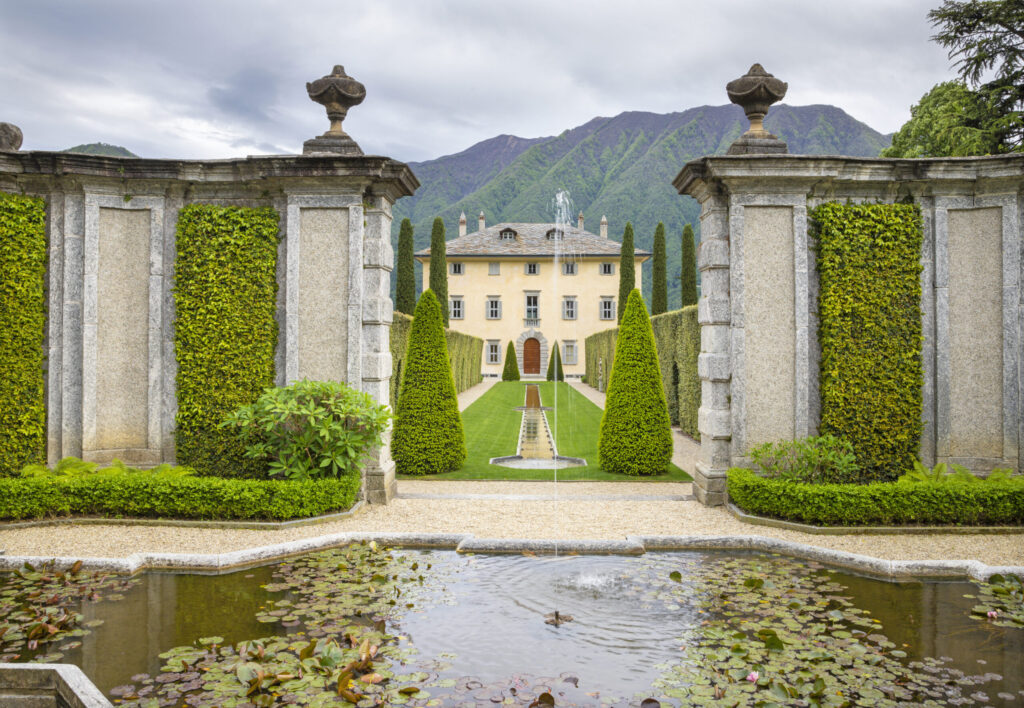
Lake Como, more than almost any other region, stands for a very clear, almost iconic aesthetic. The landscape is characterised by calm waters, mountains in the background, and historic villas situated directly on the shore.
Architecturally, elegant facades, symmetrical gardens and a structure dominate, which automatically brings order and calm to images. Everything appears settled, considered and almost self-evident.
The light on Lake Como is often soft, but at the same time cool enough to maintain contrasts. This is precisely what creates images that appear both reduced and very precise.
The overall effect creates an atmosphere particularly suited for weddings that focus on clarity, restraint, and a timeless elegance set.
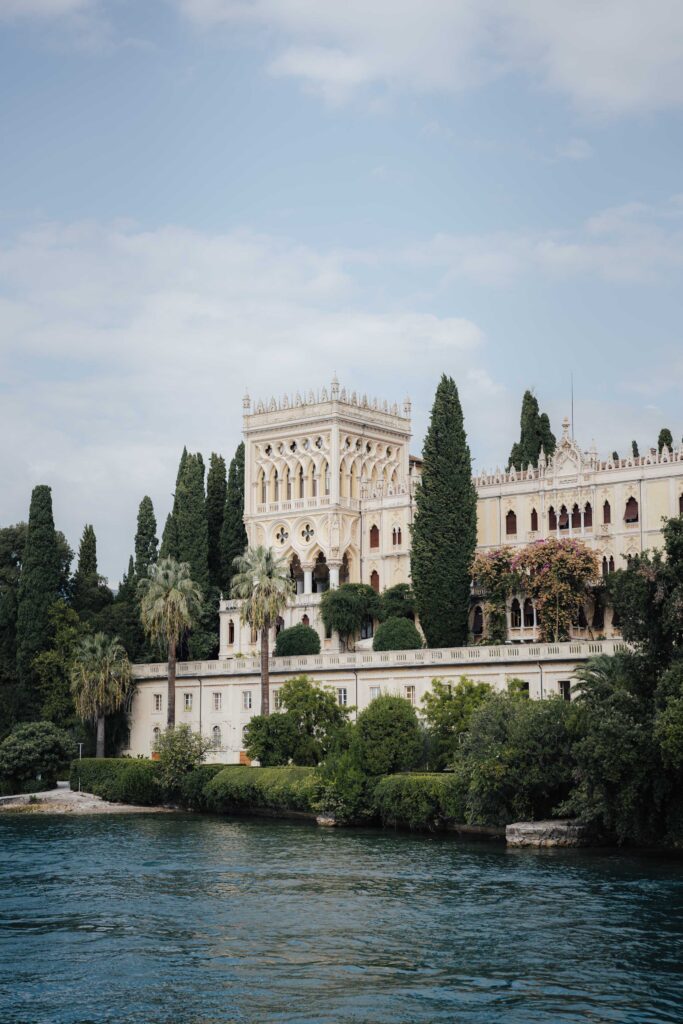
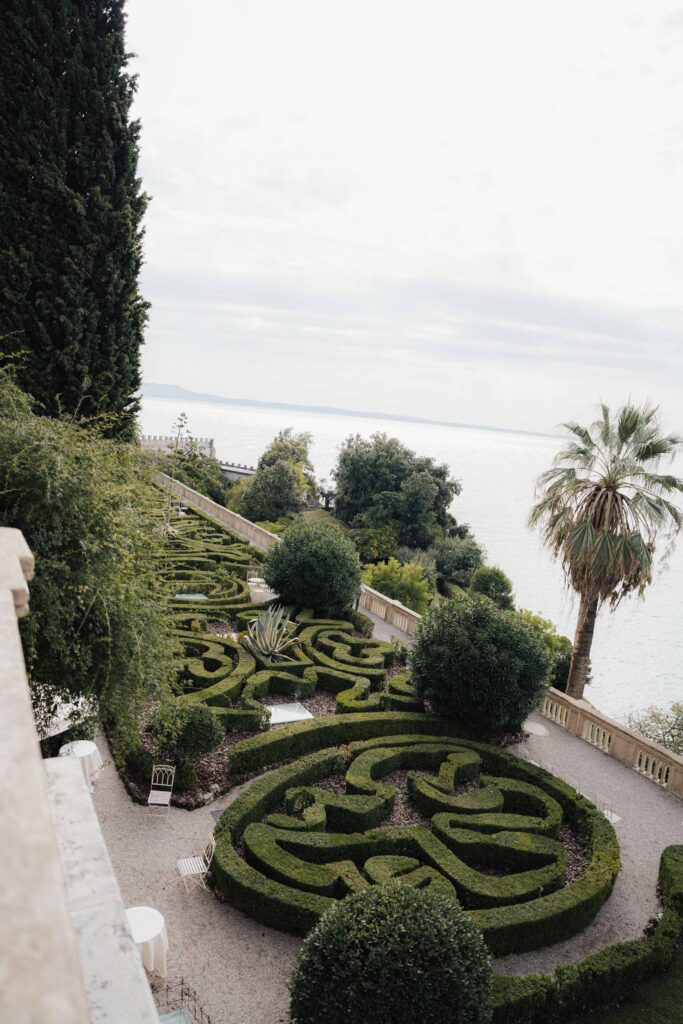
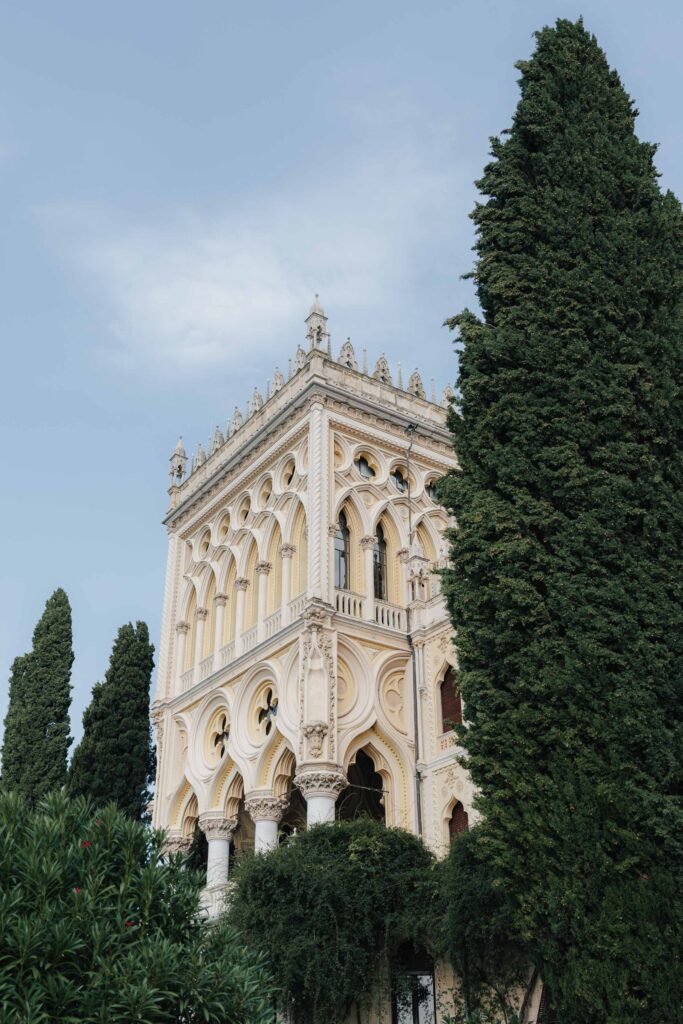
Lake Garda – lightness, vastness and a more open, relaxed atmosphere
Compared to Lake Como, Lake Garda feels more accessible and less staged.
The landscape is wider, more open, and less dramatic. Places are more generously spread out, and the whole environment feels lighter.
Architecturally, Lake Garda is less strict. There are villas and beautiful locations, but often with a more relaxed structure, less formal symmetry, and more movement in the space.
The light appears brighter, clearer and more direct, which creates a different kind of visual language – less reduced, but more lively and natural.
Weddings at Lake Garda often have a certain lightness. They seem less staged and more like a fluid experience, which develops out of the moment.
The Amalfi Coast – contrasts, movement, and an almost dramatic staging
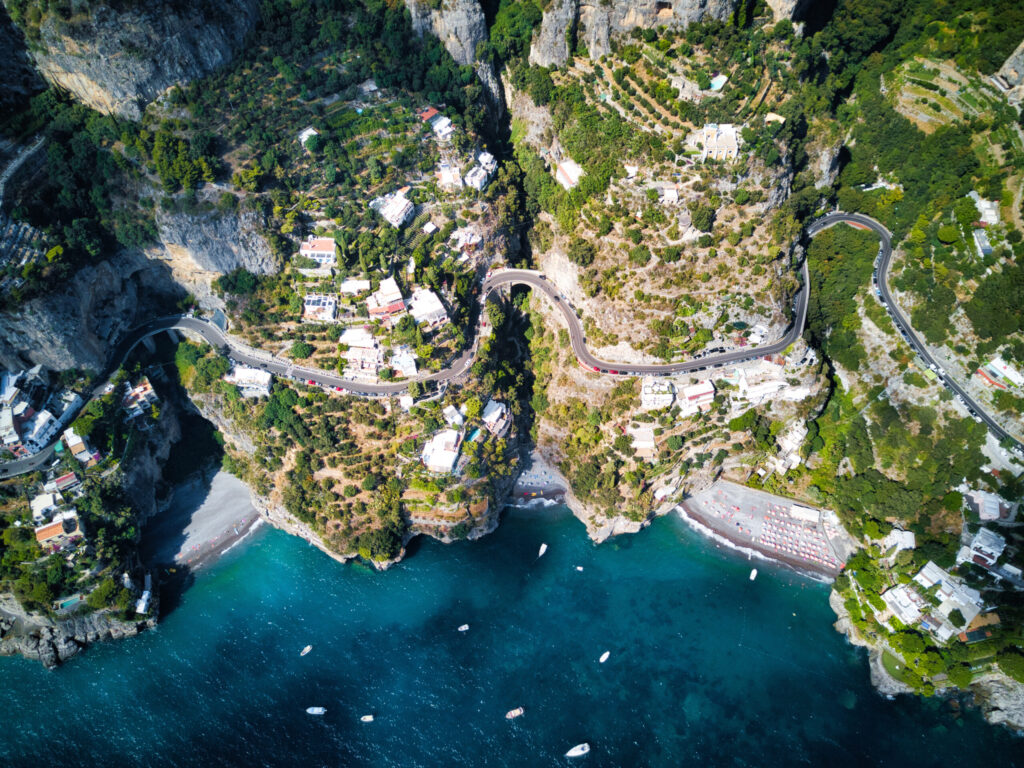
The Amalfi Coast brings a completely different energy with it.
Steep coastlines, narrow streets, strong colour contrasts and an architecture that adapts to the landscape rather than structuring it. Houses are piled on top of one another, perspectives shift constantly, and spaces are rarely calm.
This is exactly what makes this region so visually special – and at the same time challenging.
The light here is more intense, more direct, and often more contrasting. Colours appear stronger, shadows harder. Everything has more movement.
A wedding on the Amalfi Coast is therefore less about reduction and more about deliberate staging. Lines do not appear automatically; they must be created.
If this succeeds, a visual language will emerge that appears vivid, dynamic, and at the same time very high-quality – with a a certain drama that cannot be artificially created.
Apulia – Tranquillity, reduction and a very original aesthetic
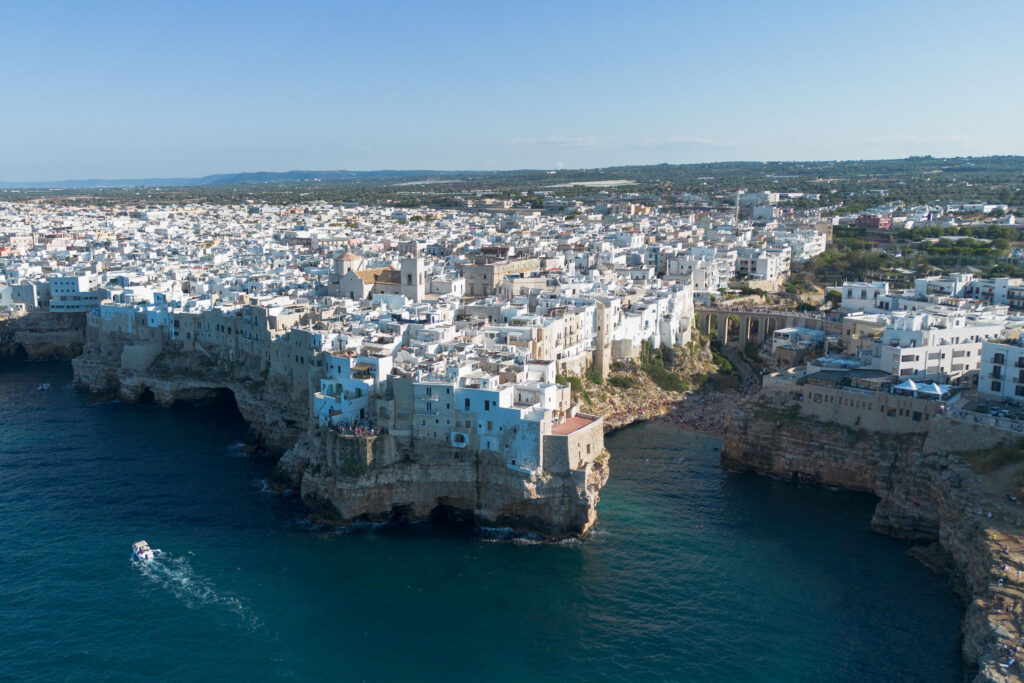
Apulia appears quieter than many other regions at first glance – and that is precisely its strength.
The landscape is vast, often flat, with olive groves, dry fields and a very reduced colour palette. White, beige, warm earth tones – everything appears calm and understated.
Architecturally, massing is dominant, often minimalistic, with clear surfaces, little ornamentation, and an almost raw materiality.
The light is warm, soft and even, without strong contrasts. This creates images that appear very calm and have a special depth, without being loud.
Weddings in Puglia are not about staging, but about atmosphere.
They often appear strongest when kept minimal and allow the surroundings to speak for themselves.
The result is an aesthetic that does not impose itself, but Quiet, modern and very conscious works.
Tuscany – warmth, structure and a natural balance between elegance and lightness
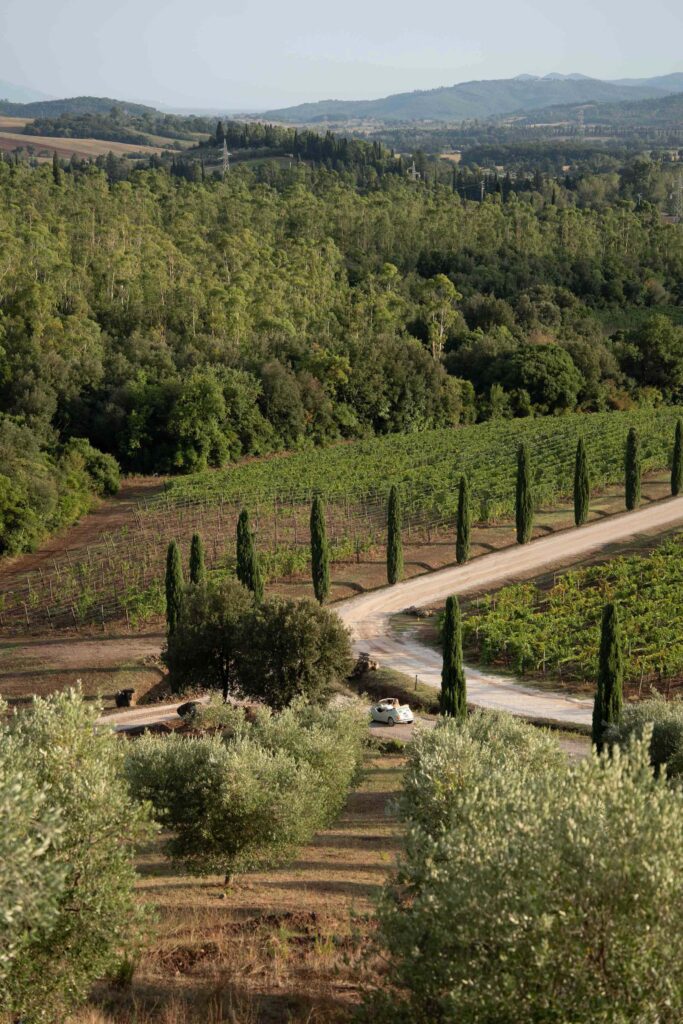
Tuscany combines many elements that other regions possess individually.
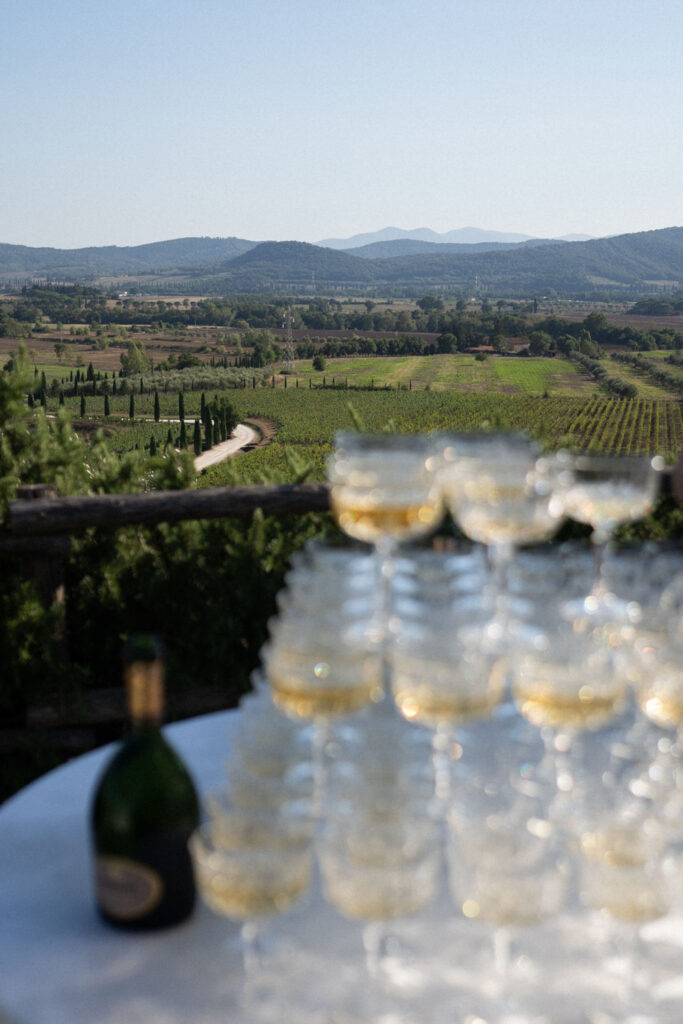
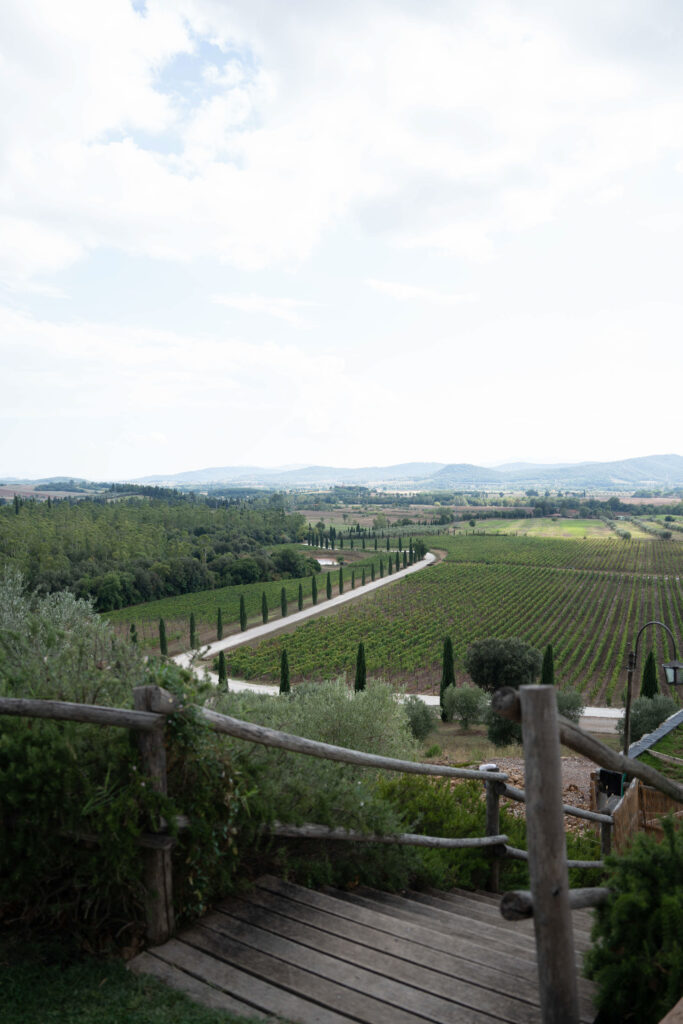
Gentle hills, cypresses, historic estates, and a landscape that naturally possesses a clear structure. Everything appears harmonious, without being rigid.
Architecturally, you'll find many country estates, villas and vineyards here with warm stone colours and a natural patina that immediately creates depth.
The light is soft and golden, especially in the evenings, casting itself like a filter over the entire surroundings.
Tuscany is particularly suitable for weddings seeking a balance:
between elegance and naturalness, between design and lightness.
The imagery thereby creates an aesthetic that warm, inviting and at the same time very high-quality works.
Further regions in Italy that bring their own unique wedding aesthetics
Umbria – the quieter, more original alternative to Tuscany
Umbria is often compared to Tuscany, but it comes across as considerably more understated and less staged.
The landscape is similarly characterised by hills, fields and historic estates, but without the same visual „perfection“. That is precisely what makes it interesting.
The architecture feels more original, less restored, often with a certain roughness that gives pictures depth.
The light is soft, but less „goldenly staged“ than in Tuscany. Colours appear somewhat muted, the overall effect calmer.
Weddings in Umbria often have a very intimate, almost private atmosphere.
You seem less curated, and therefore often authentic and understated.
Sicily – Contrasts, History and a Very Distinct Visual Language
Sicily brings a completely different energy.
The landscape is characterised by strong contrasts: sea, volcanic terrain, baroque cities, dry fields. Colours are more intense, structures rougher, everything feels more alive.
Architecturally, you'll find opulent villas, historic palazzi, and places rich in history, but often with a visible patina.
The light is harsher, more direct and more contrasting than in Northern Italy. Shadows are clearer, colours more vibrant.
Weddings in Sicily therefore have a very unique visual language.
They appear less „clean“, but much more characteristic.
When used consciously, an aesthetic emerges here that deep, sensual and almost cinematic works.
Capri – iconic, minimalist, and at the same time highly exclusive
Capri is visually instantly recognisable.
Steep coastlines, clear water, bright architecture and a minimalist, almost graphic environment characterise the island.
Everything feels very curated, very intentional – but never heavy.
The colour palette is bright, often reduced to white, blue and natural stone colours.
The light is strong but clear, which makes images appear very precise.
Weddings on Capri are less about grandeur and more about selection.
Fewer guests, consciously chosen locations, clear design.
The overall effect is often modern, reduced and at the same time very exclusive.
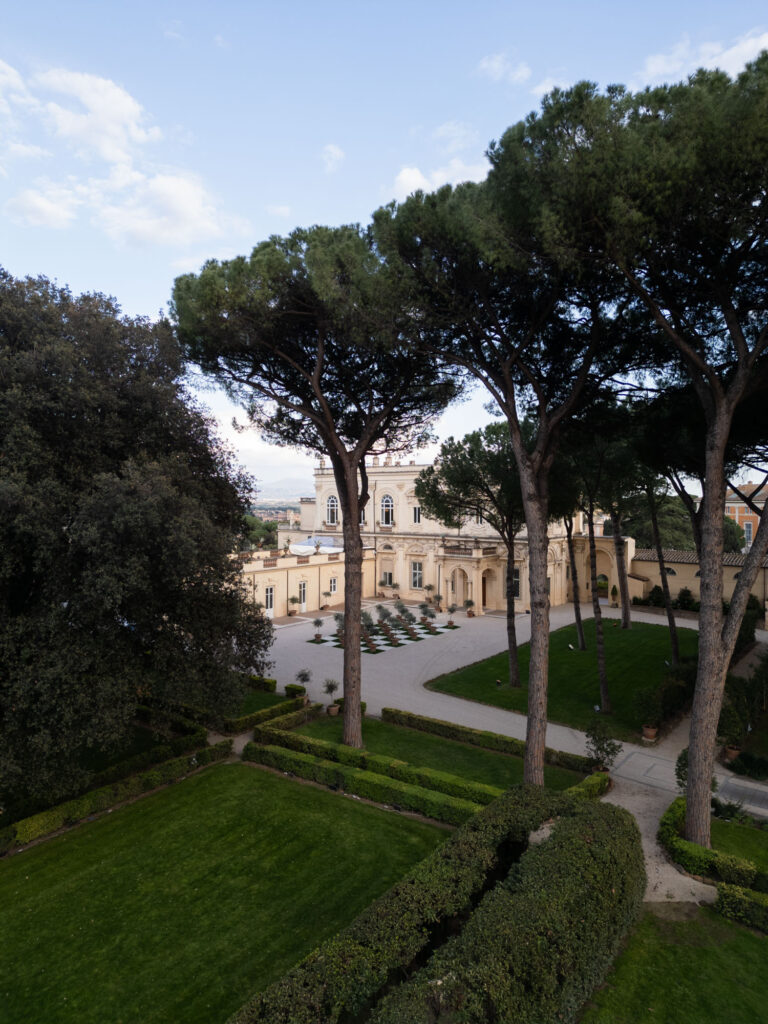
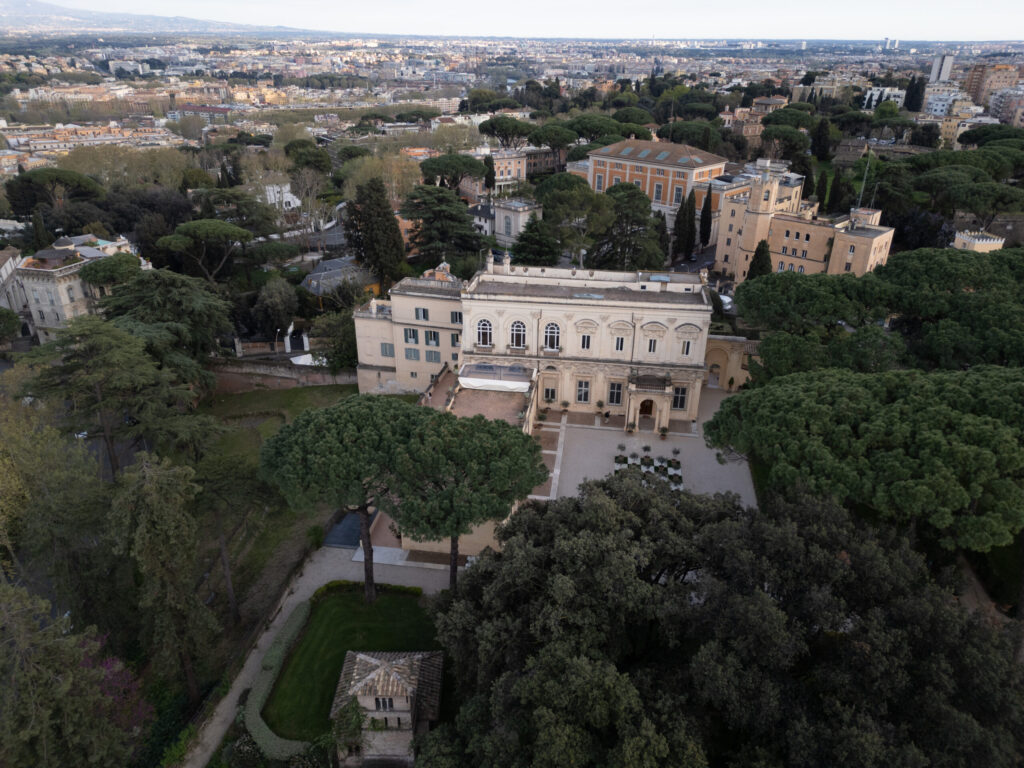
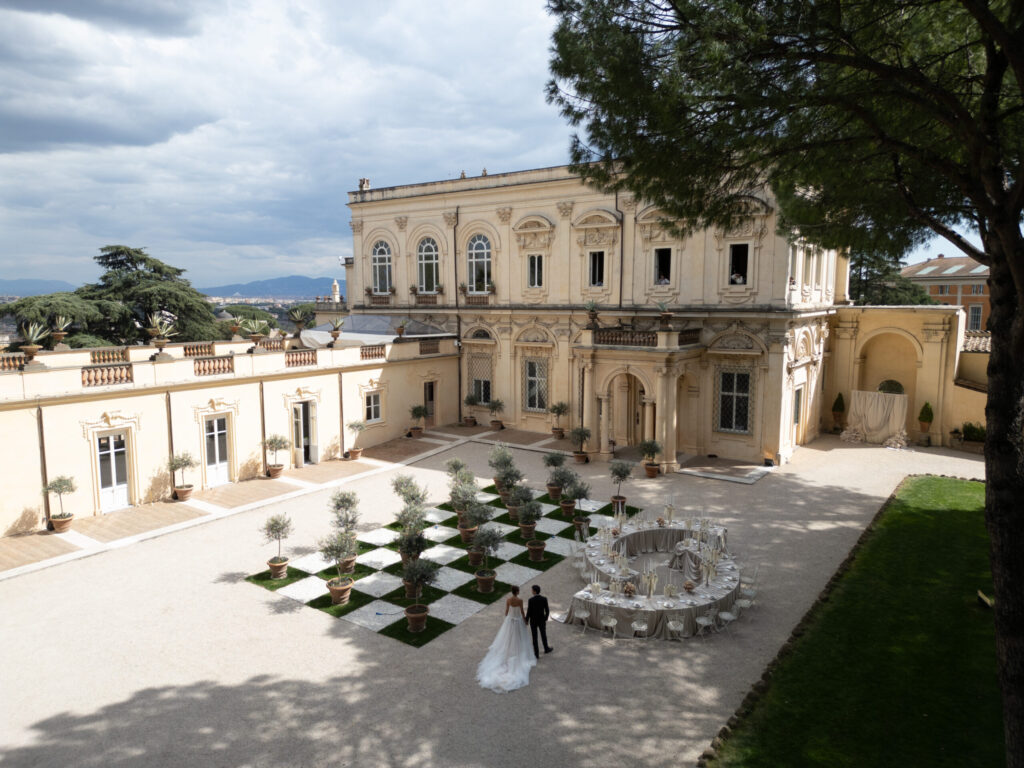
Rome – History, Monumentality and Urban Elegance
Rome brings a completely different dimension to weddings.
This is less about landscape and more about the effect of space and history. The architecture is monumental, often large-scale, with strong lines and an enormous presence.
From palaces to hidden courtyards – places are never neutral, but always laden with meaning.
The light moves through narrow streets, hitting bright facades and creating strong contrasts between light and shadow.
Weddings in Rome often feel very editorial as a result.
You have less of a „destination wedding“ feel, and more the character of a urban, stylistically strong settings.
Venice – Atmosphere, Movement and an Almost Surreal Aesthetic
Venice is probably one of the most special regions there is.
Water, narrow alleys, historic buildings, and constantly changing perspectives create an environment that is hard to control.
Architecture is dense, detailed and often very ornamental. Rooms are rarely spacious, but rather intricate and multi-layered.
The light reflects off water surfaces, constantly changing and creating an almost unreal atmosphere.
Weddings in Venice are less serene and clear, but rather thrive on atmosphere and movement.
If you engage with it, images emerge that don't appear classical, but rather Almost poetic and unique.
South Tyrol – alpine clarity meets Italian lightness
South Tyrol is a special mix.
Mountains, clear air, modern architecture, and at the same time Italian influence in light and attitude to life.
The landscape is structured, often very clearly, with strong lines formed by mountains and valleys.
Architecturally, you'll find many modern locations here, which are deliberately minimalist in design – often with a lot of glass, wood, and clean lines.
The light is cooler and clearer than in the south, which makes images appear very precise and almost minimalist.
Weddings in South Tyrol have a unique aesthetic:
less classic Italian, more Modern, quiet and architecturally distinctive.
Conclusion: Why it's not about the budget in the end, but about the way a wedding is conceived and designed
After many weddings in Italy, a very clear pattern emerges again and again, one that repeats itself regardless of budget, size or location.
The most visually stunning weddings are rarely the ones that try to show off the most.
And almost never those who try to impress with abundance.
It's the ones where decisions were made consciously – with a clear understanding of how light, space, and atmosphere interact.
It's often underestimated, particularly with destination weddings in Italy, just how much is already there. The architecture, landscape, and light bring a depth that doesn't need to be supplemented, but rather requires space to be effective.
My work shows the crucial difference precisely here:
Weddings that are visually pleasing do not follow a rigid concept, but rather a sense of balance. They leave space where space is necessary. They reduce where reduction creates impact. And they only add accents where they truly enhance something.
Luxury is not created by individual elements, but by an attitude in design.
An attitude that aims not to show more, but to decide more clearly.
A wedding in Italy doesn't automatically become luxurious just because it takes place in a special location.
She will do it through the way she is constructed. Through the calm she allows. And through the consistency with which she follows a visual line.
What remains in the end are not individual details, but an overall feeling.
An atmosphere that doesn't feel staged, but natural.
And it is precisely this self-evidence that makes images timeless.