
In recent years, the concept of a wedding has evolved far beyond a single evening celebration. For modern couples — especially those planning a destination event in Europe — a wedding weekend has become the new standard.
A luxury wedding weekend is not simply a ceremony followed by a reception. It is a carefully curated multi-day wedding experience designed to bring people together, create emotional depth, and transform a celebration into something unforgettable.
For couples hosting guests who are traveling internationally, one night is rarely enough. A destination wedding weekend allows time for connection, atmosphere, and storytelling — not just for the couple, but for every guest present.
Italy, in particular, has become one of the most sought-after settings for a refined multi-day wedding experience. Its architecture, culinary culture, and natural light create the perfect backdrop for an immersive celebration that unfolds over several days rather than a few hours.
In this guide, I’ll break down what defines a truly elevated wedding weekend, how to structure it intentionally, and how to plan a wedding weekend in Italy in a way that feels cohesive, elegant, and effortless.
Why Modern Couples Are Choosing a Wedding Weekend Instead of a One-Day Celebration

The shift toward a wedding weekend is not about extravagance — it is about intention.
Today’s couples are redefining what a celebration should feel like. Instead of compressing everything into a single evening, they are choosing a multi-day wedding experience that unfolds over time. A thoughtfully designed destination wedding weekend creates space for connection, atmosphere, and narrative — elements that simply cannot be achieved in a one-day timeline.
Especially in Italy, where hospitality, cuisine, and setting naturally invite lingering moments, a wedding weekend feels aligned with the culture itself. When planning how to plan a wedding weekend in Italy, the focus shifts from scheduling events to curating experiences.
Here are the strategic reasons behind this evolution:
Guests Are Traveling for a Destination Wedding Weekend
When guests travel internationally for a destination wedding weekend, the celebration becomes more than a formal event — it becomes a shared journey. Hosting a wedding weekend acknowledges the time, investment, and emotional commitment your guests make.
A multi-day wedding experience allows couples to welcome their guests properly, spend meaningful time with them, and create multiple touchpoints instead of rushed conversations between courses.
Emotional Depth Requires Time
A wedding weekend creates a narrative arc. The welcome dinner builds anticipation. The wedding day delivers the emotional peak. The farewell brunch offers closure.
This structure transforms a traditional event into a true multi-day wedding experience — one where emotions unfold gradually rather than being condensed into a six-hour schedule.
For couples considering how to plan a wedding weekend in Italy, understanding this emotional pacing is essential. Italian venues — whether lakeside villas, countryside estates, or coastal properties — naturally lend themselves to this layered storytelling.
Luxury Today Means Experience, Not Duration
Modern luxury is defined by hospitality and intention. A destination wedding weekend provides the opportunity to design curated moments: wine tastings, intimate rehearsal dinners, poolside gatherings, or candlelit welcome dinners under historic architecture.
A wedding weekend is not longer for the sake of being longer. It is more immersive, more relational, and more memorable.
When structured intentionally, a multi-day wedding experience ensures that every event feels distinct while still connected to the overall aesthetic and atmosphere.
A Multi-Day Wedding Experience Elevates Design and Photography
From a creative perspective, it allows for greater cohesion and refinement. Each day can carry its own tone — romantic, celebratory, relaxed — while remaining visually consistent.
For couples planning a destination wedding weekend in Italy, this means more than multiple outfits. It means designing a seamless experience across locations, lighting conditions, and guest interactions.
The result is not simply a wedding.
It is a fully realized wedding weekend — curated, intentional, and unforgettable.
What Defines a True Multi-Day Wedding Experience?

A true multi-day wedding experience is not defined by the number of events listed on an itinerary. It is defined by intention, cohesion, and emotional architecture. Many couples assume that adding a welcome dinner and a farewell brunch automatically transforms their celebration into a wedding weekend. In reality, a destination wedding weekend only becomes meaningful when every element is designed to feel interconnected rather than incidental. The difference lies in how the experience is structured, how transitions are handled, and how the overall atmosphere evolves from day to day. When couples begin exploring how to plan a wedding weekend in Italy, the first shift must happen in mindset: this is not about planning three separate events — it is about designing one continuous narrative.
A well-designed wedding weekend begins long before the ceremony. The guest journey is considered from the moment invitations are sent. Communication, arrival logistics, transportation, accommodation recommendations, and timing are all part of the multi-day wedding experience. In Italy, where venues are often historic villas, countryside estates, or coastal properties with layered layouts, flow becomes particularly important. Guests should never feel uncertain about where to be or what happens next. A seamless destination wedding weekend feels effortless because every transition has been anticipated in advance.
Equally important is emotional pacing. A sophisticated wedding weekend does not begin at the emotional peak. The welcome dinner sets tone and intimacy. It should feel warm, inviting, and slightly restrained — allowing anticipation to build. The wedding day then becomes the crescendo of the multi-day wedding experience, where design, fashion, lighting, and storytelling converge. The farewell brunch or pool gathering provides decompression, giving guests time to reconnect and reflect. When considering how to plan a wedding weekend in Italy, couples often underestimate how powerful this emotional sequencing can be. Italian culture naturally supports long meals, lingering conversations, and atmospheric evenings, making it one of the most aligned locations for a destination wedding weekend built around depth rather than speed.
Design cohesion is another defining element. A true wedding weekend does not feel like three unrelated aesthetics. There is a visual language that connects each event — whether through color palette, florals, typography, lighting design, or fashion direction. For example, the welcome dinner may introduce the tonal palette in a softer interpretation, while the wedding day refines and intensifies it. The farewell event might reinterpret the same colors in a more relaxed setting. This layered consistency elevates a standard wedding weekend into a refined multi-day wedding experience. When couples research how to plan a wedding weekend in Italy, they often focus on venues first, but the more strategic approach is to define the aesthetic narrative before selecting spaces.
Guest experience is another key differentiator. A destination wedding weekend should never feel like guests are attending a sequence of obligations. Instead, it should feel like they are stepping into a curated environment. This includes thoughtful hospitality touches: personalized welcome amenities, clear scheduling, considered transportation, well-timed events that respect jet lag, and balanced downtime. Particularly for international celebrations in Italy, where travel may involve multiple flights, designing breathing room into the wedding weekend is essential. A multi-day wedding experience thrives when guests feel cared for rather than managed.
Finally, a defining characteristic of a true multi-day wedding experience is intentional storytelling. Every setting offers different light, different emotional energy, and different opportunities for connection. In Italy, golden hour over vineyards, candlelit courtyards, and morning espresso on stone terraces create natural narrative shifts across a destination wedding weekend. Couples who understand how to plan a wedding weekend in Italy strategically will think beyond the ceremony backdrop and consider how each day contributes to a cohesive story — visually, emotionally, and experientially.
In essence, a wedding weekend becomes transformative not because it lasts longer, but because it is layered with purpose. A destination wedding weekend in Italy offers the rare opportunity to design a celebration that unfolds gradually, honors guests intentionally, and creates a experience that feels immersive rather than compressed. That distinction — between adding events and crafting an experience — is what ultimately defines whether it feels standard or truly exceptional.


The Perfect Timeline (A Strategic 3-Day Structure)
A successful destination wedding weekend is built on rhythm. The goal is not to fill three days with activity, but to design a multi-day wedding experience that feels natural, elevated, and emotionally layered.
Below is a refined structure that balances energy, hospitality, and visual storytelling — especially relevant when planning how to plan a wedding weekend in Italy.
Day One: Arrival & Welcome Dinner
The first day of a wedding weekend should focus on arrival and atmosphere. Guests are traveling — often internationally — and need time to settle in. A welcome dinner should feel intentional but not overwhelming.
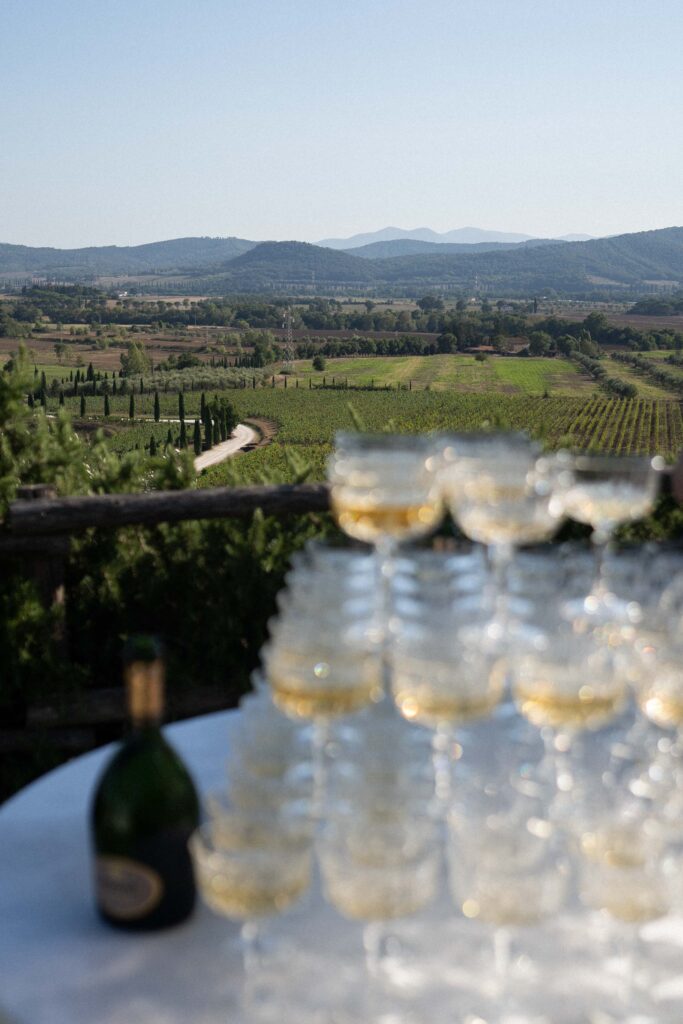
For a destination wedding weekend in Italy, this might mean a candlelit courtyard dinner, a long-table setup overlooking vineyards, or an aperitivo-style gathering with regional wines and local cuisine.
Strategically, this evening serves three purposes:
- It sets the tone for the multi-day wedding experience
- It allows guests to reconnect before the formal celebration
- It builds anticipation without exhausting emotional energy
The welcome dinner should introduce the aesthetic language of the wedding weekend — perhaps a softer interpretation of the main palette or a more relaxed dress code that contrasts with the wedding day.
Day Two: Ceremony, Reception & After Celebration
The second day is the emotional and visual peak of the destination wedding weekend.
Because this is part of a multi-day wedding experience, there is less pressure to rush. Timelines can be structured more intentionally. Portrait sessions can happen earlier. Cocktail hour can feel extended rather than compressed.
When couples consider how to plan a wedding weekend in Italy, understanding local timing culture is essential. Italian celebrations often begin later in the day, especially in summer months when light is strongest in the early evening. Planning the ceremony around optimal light conditions enhances both guest comfort and the overall aesthetic of the wedding weekend.
The reception should feel like the crescendo — layered courses, thoughtful speeches, immersive lighting design, and an after-party that shifts the atmosphere from refined to celebratory.
Because guests have already connected during the welcome dinner, the energy on the wedding day feels deeper and more relaxed. This is one of the key advantages of a destination wedding weekend over a one-day event.
Day Three: Farewell Brunch or Relaxed Gathering
The final day of a wedding weekend is often underestimated. In reality, it completes the narrative arc of the multi-day wedding experience.
A farewell brunch, poolside gathering, or espresso-style send-off allows guests to reconnect in a relaxed environment. The emotional intensity has passed, and what remains is gratitude.
For couples planning how to plan a wedding weekend in Italy, this final event should feel effortless — perhaps hosted at the villa, a seaside terrace, or a shaded garden. The design can be lighter, more casual, but still aligned with the overall aesthetic of the destination wedding weekend.
This closing moment reinforces hospitality and ensures that the wedding weekend feels complete rather than abruptly ending after the reception.
How to Plan a Wedding Weekend in Italy (Strategic Foundations for a Seamless Experience)
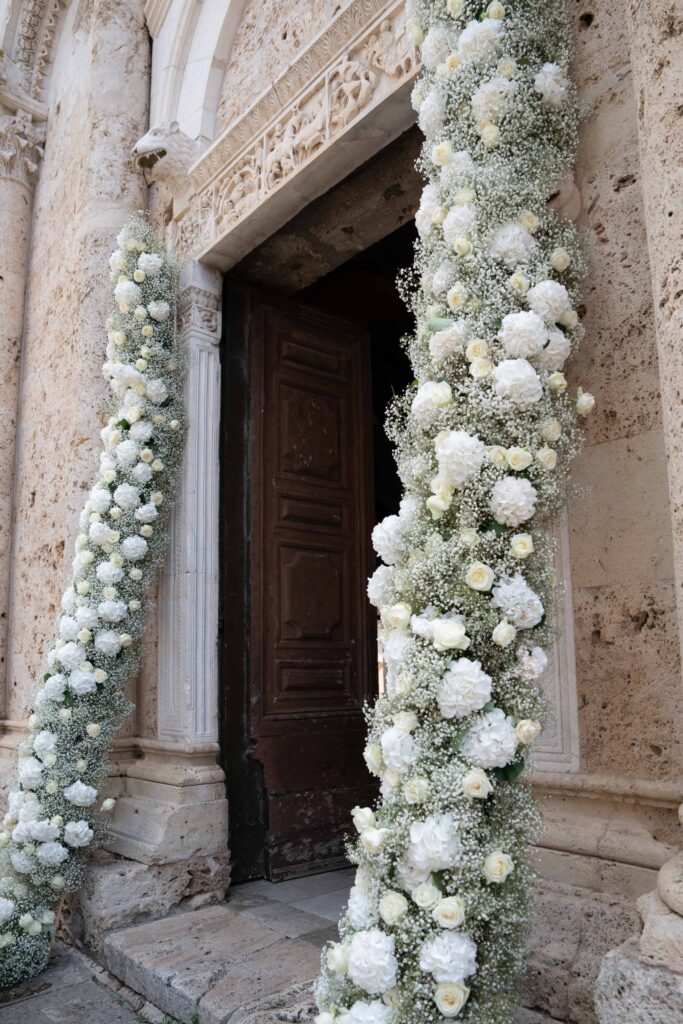
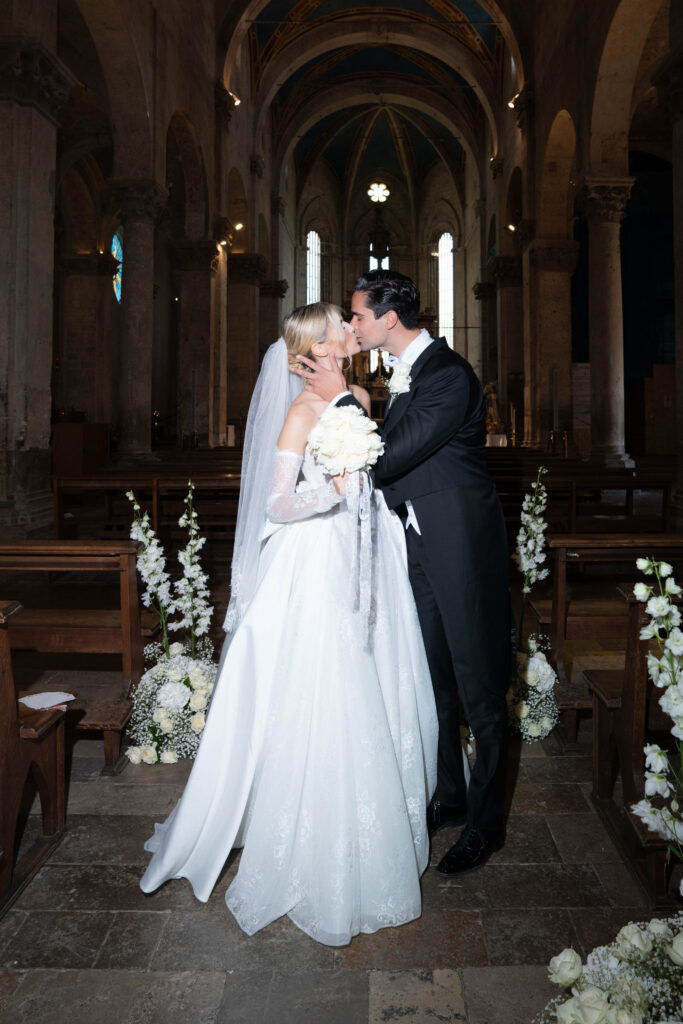

Understanding how to plan a wedding weekend in Italy requires more than selecting a venue and extending the timeline. It requires logistical foresight, cultural awareness, and design discipline.
A destination wedding weekend in Italy is incredibly rewarding — but only when structured with precision.
Choose a Venue That Supports a Multi-Day Wedding Experience
Not every venue is suited for a true wedding weekend. When planning a multi-day wedding experience, prioritize properties that can host multiple events on-site or within close proximity.
Historic villas, private estates, and boutique properties offer flexibility and privacy. The ability to host the welcome dinner, ceremony, reception, and farewell brunch within one cohesive environment strengthens the overall destination wedding weekend flow.
Transportation between multiple distant locations can disrupt momentum and dilute the immersive feeling of a wedding weekend.
Consider Seasonality and Light
Italy offers extraordinary natural light — but it varies dramatically by region and season.
When determining how to plan a weekend in Italy, couples should consider:
- Summer heat and later sunset times
- Spring and autumn color palettes
- Regional climate differences between Lake Como, Tuscany, and the Amalfi Coast
The success of a multi-day wedding experience depends on aligning event timing with environmental conditions. Guest comfort directly influences the atmosphere of a destination wedding weekend.
Build in Breathing Space
One of the most common mistakes in planning a wedding weekend is overscheduling.
A refined multi-day wedding experience includes intentional downtime. Guests may want to explore the region, rest, or enjoy the property. Especially during a destination wedding weekend, where travel fatigue is real, breathing room enhances the overall experience.
When advising couples on how to plan a wedding weekend in Italy, pacing is always a central consideration. Hospitality is not about constant activity — it is about thoughtful balance.
Maintain Design Cohesion Across All Events
It should feel like a unified story, not three separate celebrations.
When developing a multi-day wedding experience, couples should define a clear aesthetic direction early. This includes color palette, floral philosophy, typography, lighting design, and wardrobe transitions.
Consistency does not mean repetition. It means evolution. The welcome dinner introduces. The wedding day refines. The farewell gathering softens.
That continuity is what elevates a standard wedding weekend into an editorial-level experience.
Work with a Team Experienced in Destination Wedding Weekends
Finally, knowing how to plan a wedding weekend in Italy means understanding the importance of an experienced team. Vendors familiar with destination wedding weekends anticipate logistical challenges, timing nuances, and cultural details that first-time planners often overlook.
Such an experience requires coordination beyond a single-day timeline. Communication between planner, designer, catering, venue, and creative partners must be seamless.
When executed strategically, a destination wedding weekend in Italy becomes more than a celebration. It becomes a curated experience — immersive, elegant, and intentionally designed from arrival to farewell.
Why a Multi-Day Wedding Experience Creates Iconic Photography
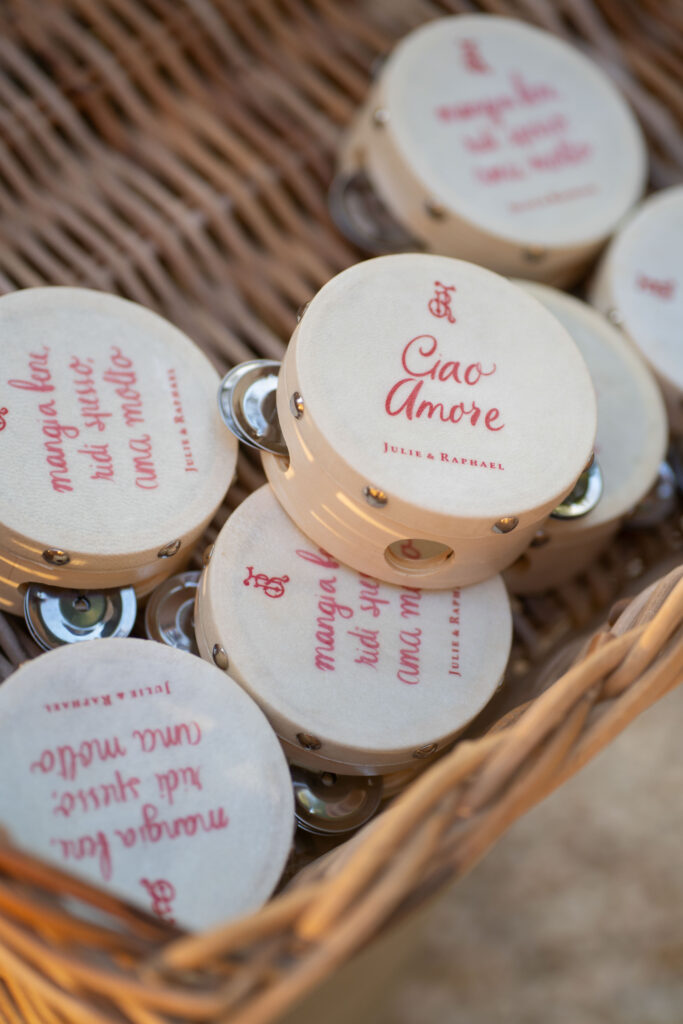
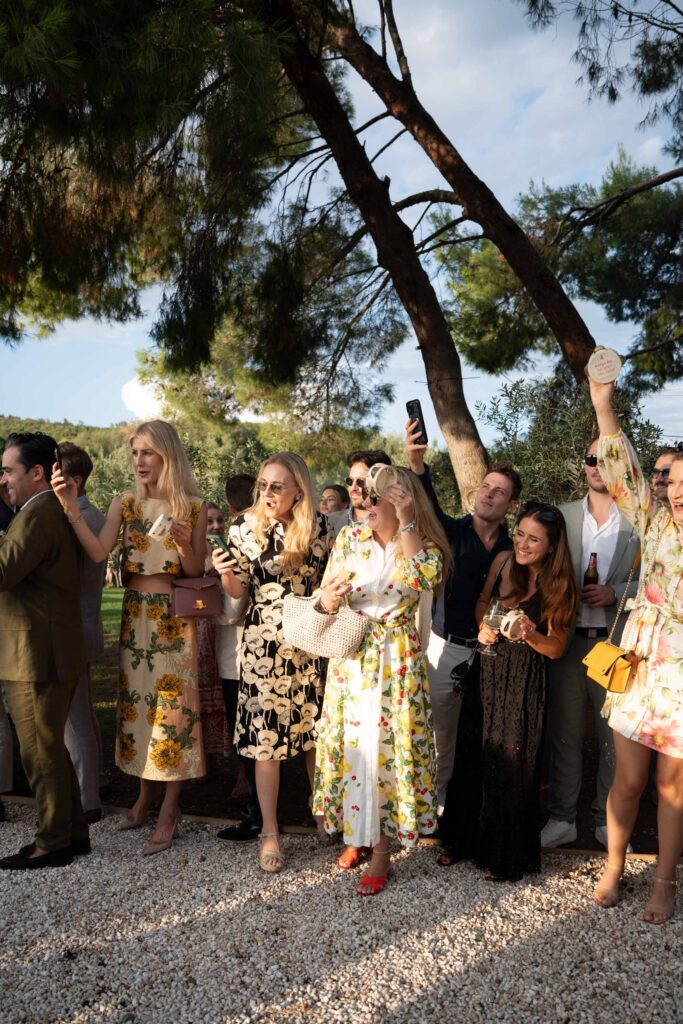

In a traditional one-day timeline, photography is often compressed. Moments are scheduled tightly, portraits are rushed, and emotional transitions happen within a narrow window of time. A wedding weekend, by contrast, creates space — and space is what allows imagery to become iconic rather than merely documentary.
During a weekend, storytelling unfolds gradually. The welcome dinner captures anticipation — guests embracing after long journeys, candlelight reflecting against historic stone walls, the intimacy of long-table conversations. These quieter moments introduce emotional depth before the wedding day even begins. They are often the frames that make the final gallery feel layered rather than linear.
On the wedding day itself, the rhythm of a weekend removes urgency. Because guests have already connected, the atmosphere feels more relaxed. The couple is less pressured to greet everyone in a single evening. This allows for intentional portrait sessions, refined styling moments, and thoughtful timing aligned with the best natural light — particularly important when considering how to plan a wedding weekend in Italy.
Italy offers extraordinary visual diversity across a destination wedding weekend: golden vineyard sunsets, dramatic lakeside reflections, architectural courtyards, soft morning light over terraces. When a wedding unfolds over several days, each setting contributes a distinct visual chapter. The result is not a repetitive collection of images, but a cohesive narrative shaped by evolving environments and moods.
Another defining advantage is wardrobe and aesthetic variation. A welcome dinner may feature a fashion-forward rehearsal look, the ceremony a structured couture silhouette, and the farewell brunch a softer, relaxed ensemble. Within a wedding weekend, these transitions feel intentional rather than excessive. They create editorial diversity while maintaining cohesion — something that is difficult to achieve in a single-day format.
Emotionally, the difference is equally significant. It allows for unscripted interactions: late-night conversations, spontaneous laughter at brunch, the stillness before guests arrive. These are the moments that elevate wedding photography from event coverage to visual storytelling.
For couples researching how to plan a wedding weekend in Italy, understanding this creative dimension is crucial. Photography is not only about documenting a timeline — it is about capturing atmosphere, connection, and progression. A wedding weekend provides the temporal and emotional framework necessary for that depth.
A destination wedding weekend in Italy offers something rare: continuity. Light changes. Energy shifts. Guests relax. The couple settles into the celebration rather than racing through it. That gradual unfolding is what creates imagery that feels cinematic, immersive, and enduring.
When designed intentionally, becomes more than a celebration. It becomes a story — and stories are what create photographs that remain timeless.
Common Mistakes to Avoid
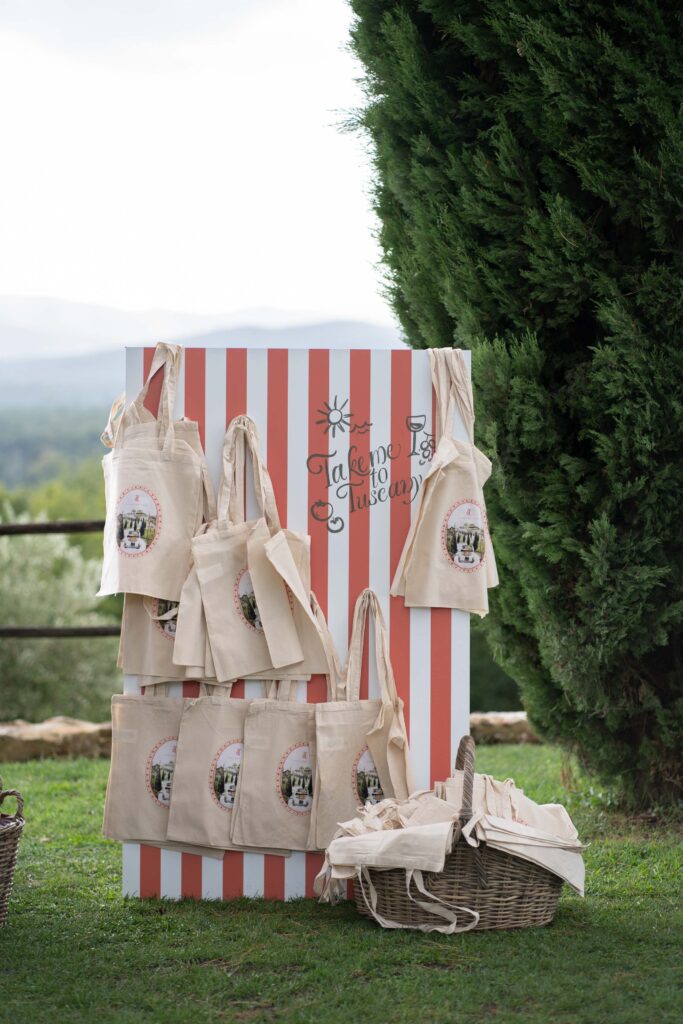
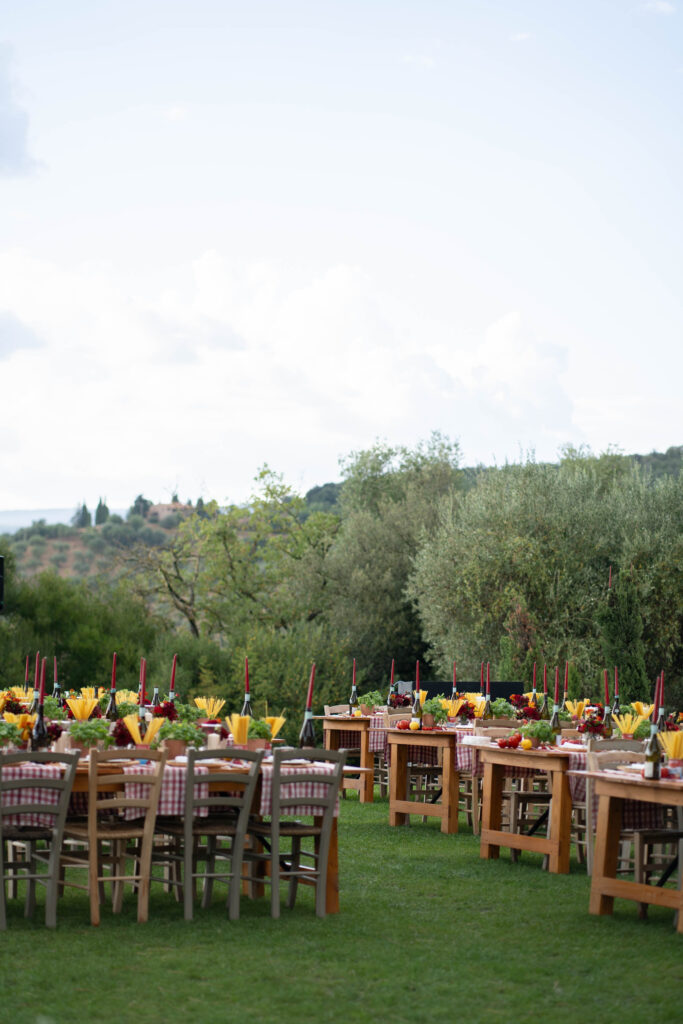

Even the most beautifully designed wedding weekend can lose impact if the structure behind it is not strategically planned. A weekend in Italy requires logistical precision, cultural awareness, and pacing discipline. Below are the most common mistakes couples make when planning a multi-day wedding experience — and how to avoid them.
Overscheduling Every Moment
One of the biggest misconceptions is that every hour must be filled. In reality, a refined multi-day wedding experience includes breathing space. Guests traveling internationally need time to rest, explore, and enjoy the setting. When planning how to plan a wedding weekend in Italy, intentional downtime is not a flaw — it is a luxury.
Treating Each Event as Separate
It should feel cohesive, not fragmented. When the welcome dinner, ceremony, and farewell brunch feel like three unrelated events, the overall experience loses narrative strength. A true multi-day wedding experience maintains a consistent aesthetic language, emotional flow, and hospitality standard across all days.
Ignoring Italian Timing Culture
Italy operates differently from many other countries, particularly when it comes to dining and evening events. Late dinners, extended courses, and relaxed pacing are cultural norms. Couples who attempt to force a rigid, compressed schedule onto a destination wedding weekend often create unnecessary stress. Understanding local rhythms is essential when planning how to plan a wedding weekend in Italy.
Choosing Venues Too Far Apart
Transportation logistics can significantly affect the guest experience. If each event location requires long transfers, the wedding weekend begins to feel disjointed. For a seamless multi-day wedding experience, selecting venues within close proximity — or ideally a single estate that can host multiple events — enhances flow and immersion.
Underestimating Guest Communication
It involves travel coordination, dress codes for multiple events, and varied timelines. Clear communication is crucial. Guests should never feel uncertain about arrival times, transportation, or expectations. Luxury is often defined by clarity and ease.
Avoiding these mistakes transforms a standard wedding into a truly intentional wedding weekend.
The Investment Behind a Destination Wedding Weekend
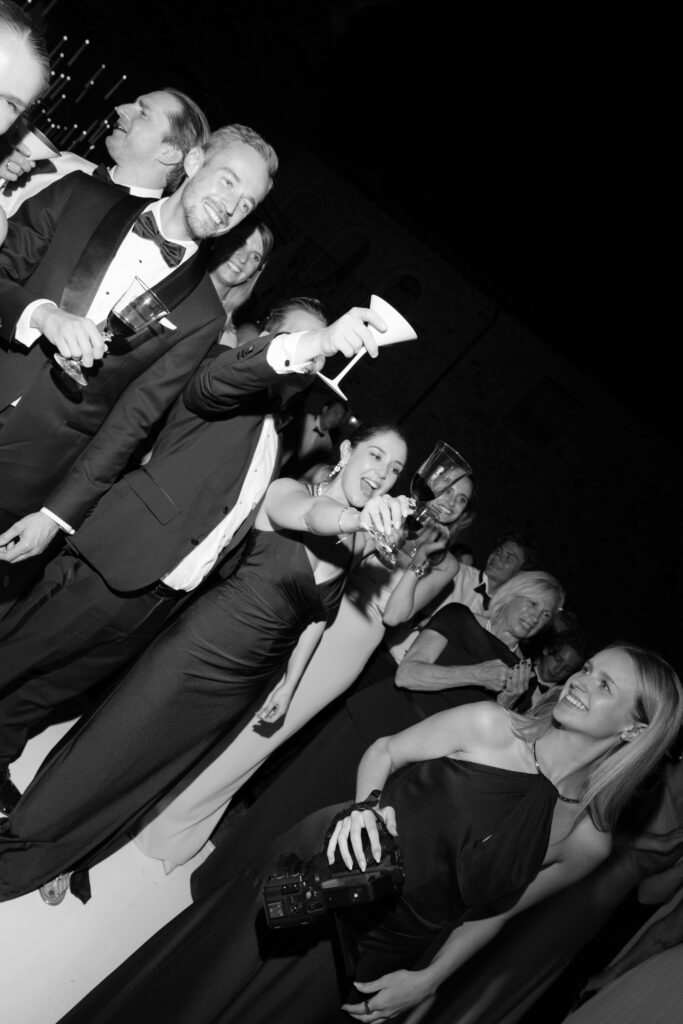
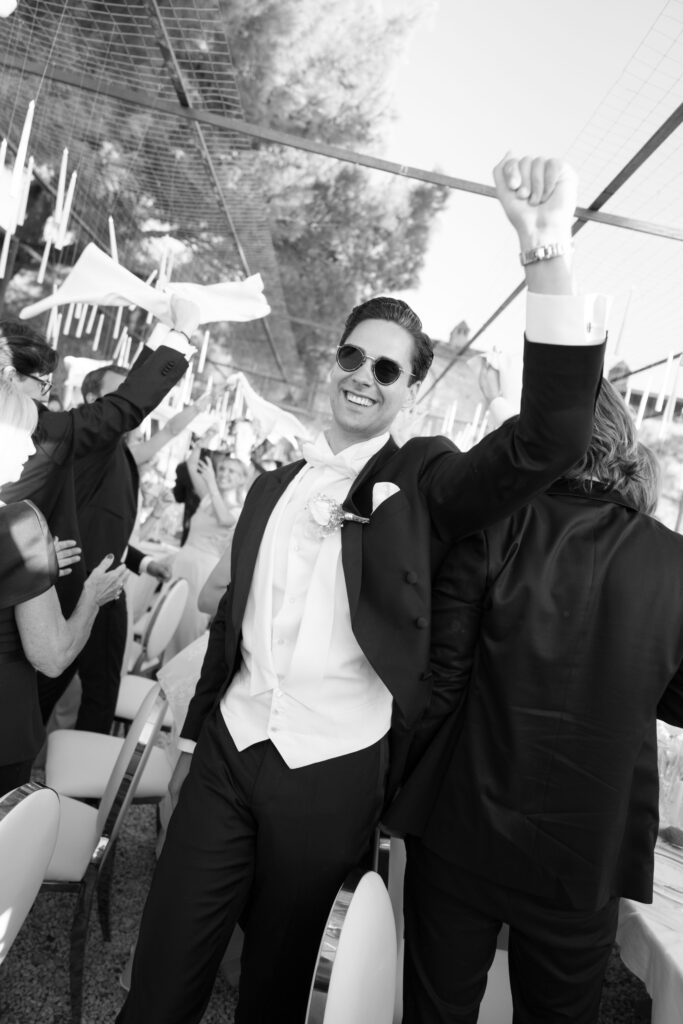
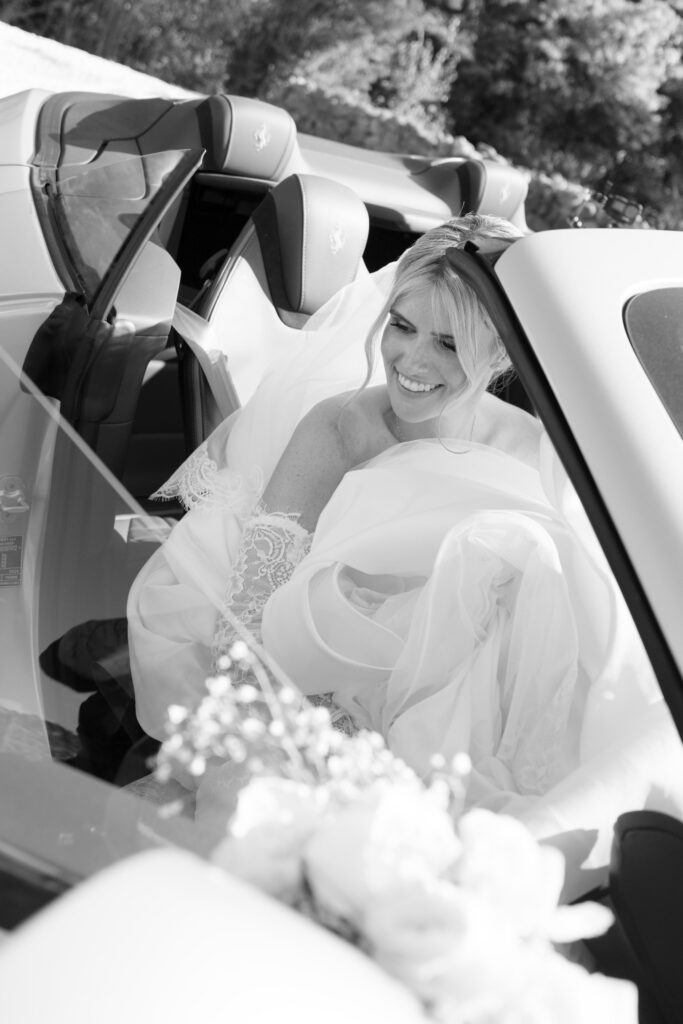
A destination wedding in Italy represents a different investment structure than a traditional one-day event. However, the value lies not simply in extending the timeline, but in redistributing focus.
A multi-day wedding experience prioritizes hospitality, atmosphere, and guest immersion. Budget allocation often shifts toward:
- Multiple culinary experiences
- Elevated welcome amenities
- Enhanced lighting and production design
- Transportation coordination
- Venue exclusivity for extended days
Rather than concentrating the entire budget into a single reception evening, a wedding weekend distributes investment across layered experiences.
Couples exploring how to plan a wedding weekend in Italy often ask whether the additional days significantly increase cost. In practice, the increase is typically proportional to the depth of experience desired. The true distinction is not duration — it is dimensionality.
It also creates greater return on emotional investment. More time with guests. More intentional design. More opportunity for meaningful interaction. More visual diversity.
In the luxury segment, value is not measured by hours — it is measured by impact.
Best Locations in Italy for a Destination Wedding Weekend
Italy offers diverse environments that naturally support a multi-day wedding experience.
Lake Como
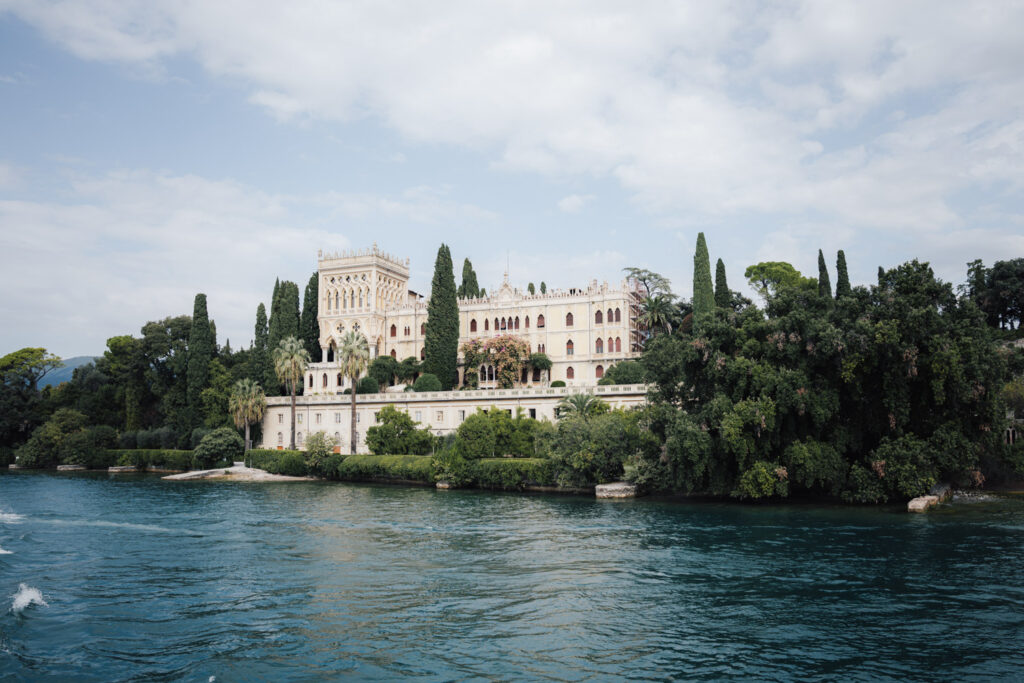
Lake Como offers architectural elegance, dramatic mountain backdrops, and refined villas ideal for a sophisticated destination weekend. Its layered terraces and waterfront settings lend themselves beautifully to a multi-day wedding experience with distinct visual chapters.
Tuscany
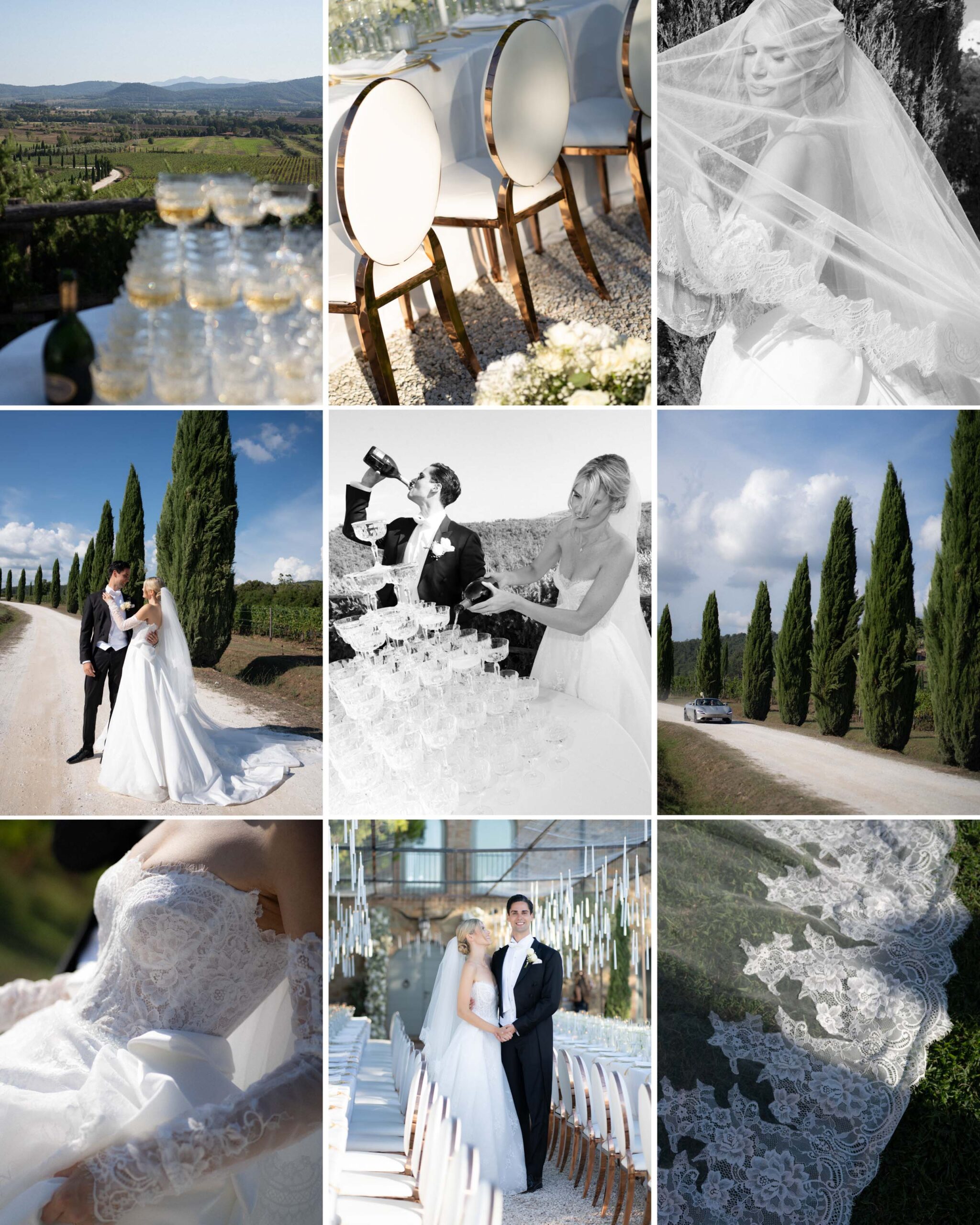
Tuscany provides warmth, vineyards, and expansive countryside estates. A wedding weekend in Tuscany often feels relaxed yet elevated, with golden-hour ceremonies and long-table dinners under open skies. The region’s culinary culture aligns naturally with an immersive destination wedding weekend.
Amalfi Coast
The Amalfi Coast delivers dramatic views, cliffside terraces, and Mediterranean atmosphere. A multi-day wedding experience in this region is defined by movement between sea, architecture, and light — ideal for couples seeking visual dynamism within their wedding weekend.
Each location shapes the emotional tone of a destination wedding weekend differently. Choosing intentionally ensures the environment supports the overall narrative.
Conclusion: Designing a Wedding Weekend With Intention, Structure, and Legacy in Mind

A wedding weekend is not simply a modern trend. It is a structural evolution of what a celebration can be.
At its core, a destination wedding weekend in Italy represents a shift in priorities. Instead of focusing on a single evening as the defining moment, couples choose to design a multi-day wedding experience that unfolds gradually — emotionally, visually, and socially. This extended format allows space for nuance. It allows guests to transition from arrival to connection, from anticipation to celebration, from intensity to reflection.
Understanding how to plan a wedding weekend in Italy requires stepping back from checklists and thinking architecturally. A wedding weekend is built like a narrative. It has an opening tone, a central climax, and a closing atmosphere. The welcome dinner introduces energy and establishes intimacy. The wedding day delivers the emotional and aesthetic peak. The farewell gathering softens the experience and reinforces gratitude. When these components are aligned intentionally, the result is not three events — it is one cohesive story told over several days.
It also reflects a deeper form of hospitality. Guests are not simply invited to witness a ceremony; they are welcomed into an environment. They travel, adjust, explore, and reconnect. A destination wedding weekend honors that commitment by providing time — time for conversation, for shared meals, for quiet moments between structured celebrations. Particularly in Italy, where culture naturally supports lingering dinners and layered gatherings, it aligns seamlessly with the setting itself.
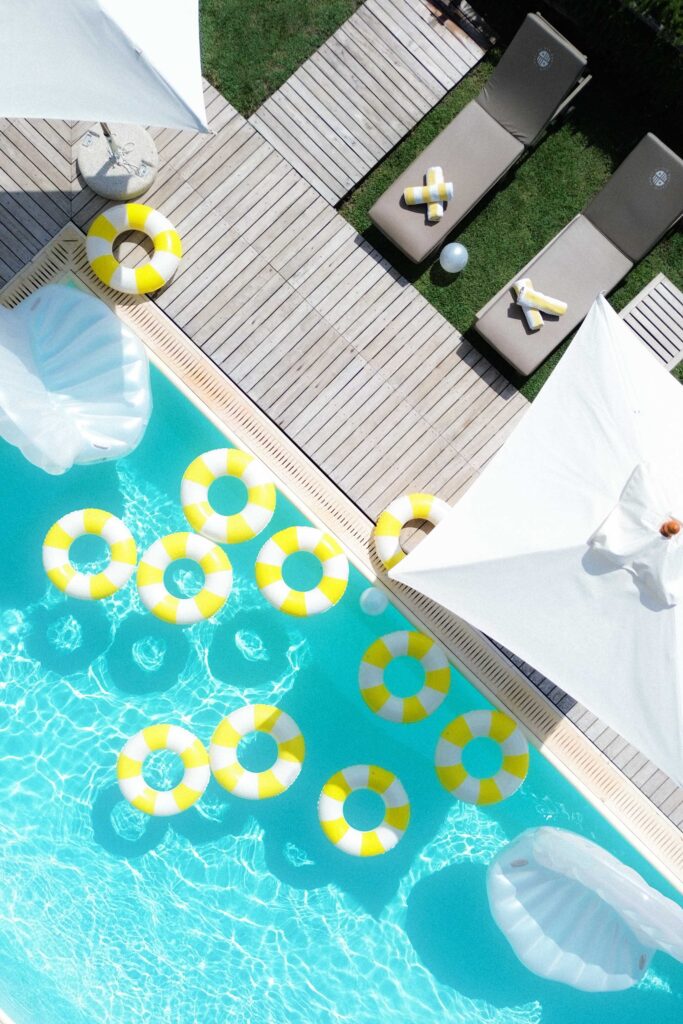


From a design perspective, the value lies in its dimensionality. It allows for progression. Light changes across days. Fashion evolves. Atmosphere deepens. The celebration becomes immersive rather than compressed. Couples who approach how to plan a wedding weekend in Italy strategically recognize that cohesion does not mean repetition. It means continuity with evolution — a visual and emotional thread woven through each event.
There is also a psychological distinction. A single-day celebration can feel intense and fleeting. A destination wedding weekend, by contrast, feels expansive. Guests leave with memories not of isolated highlights, but of sustained atmosphere. They remember the warmth of the welcome dinner, the anticipation before the ceremony, the energy of the reception, the calm of the final morning. The experience lingers because it unfolded gradually.
In the luxury segment, this distinction matters. It is not defined by scale or spectacle. It is defined by intentional design, thoughtful pacing, and cohesive storytelling. The investment extends beyond budget allocation — it extends into time, attention, and structure.
Ultimately, learning how to plan a wedding weekend in Italy is about understanding that time is the most valuable element you can design with.
When approached with clarity and strategy, a destination wedding weekend becomes more than a celebration.
It becomes an experience guests carry with them long after they leave.
 Deutsch
  English (UK)