

Planning a destination wedding in Tuscany is not simply about choosing a beautiful region in Italy. It is not a matter of scenery alone, nor is it a checklist decision based on vineyards and villas. It is about shaping atmosphere, rhythm, and experience across several days. It is about designing a celebration that feels immersive rather than scheduled.
It is about inviting the people closest to you into a landscape that feels removed from routine — a place where everyday noise falls away and celebration unfolds slowly and intentionally. Tuscany has a way of altering perception. Time feels less compressed. Conversations last longer. Even silence carries depth.
For many international couples, especially those traveling from the United States, Tuscany represents something far more profound than visual beauty. It represents intention. The decision to marry here is rarely impulsive. It is deliberate. It signals a desire to gather not out of obligation, but out of meaning.
When guests board international flights to attend your wedding in Italy, they are making a commitment — of time, of presence, of emotional investment. A destination wedding in Tuscany honors that commitment by creating an environment where connection becomes central.
Here, celebration does not begin and end within a six-hour window. It unfolds. A welcome dinner sets the tone. The ceremony feels grounded rather than rushed. A long candlelit dinner stretches into the night. The following morning brings lingering conversations over coffee, sunlight spilling across stone terraces.


A wedding in Tuscany allows time.
Time to arrive emotionally before the ceremony begins.
Time for friendships to deepen across shared meals.
Time for parents to sit quietly and absorb what is happening.
Time for you to step away during golden hour and feel the landscape around you.
In a world defined by speed, time has become the rarest form of luxury. And Tuscany, more than almost anywhere else, offers it generously.
That is why a destination wedding in Tuscany is not simply a location choice.
It is a philosophy of celebration.
Why Tuscany Continues to Define the Modern Destination Wedding
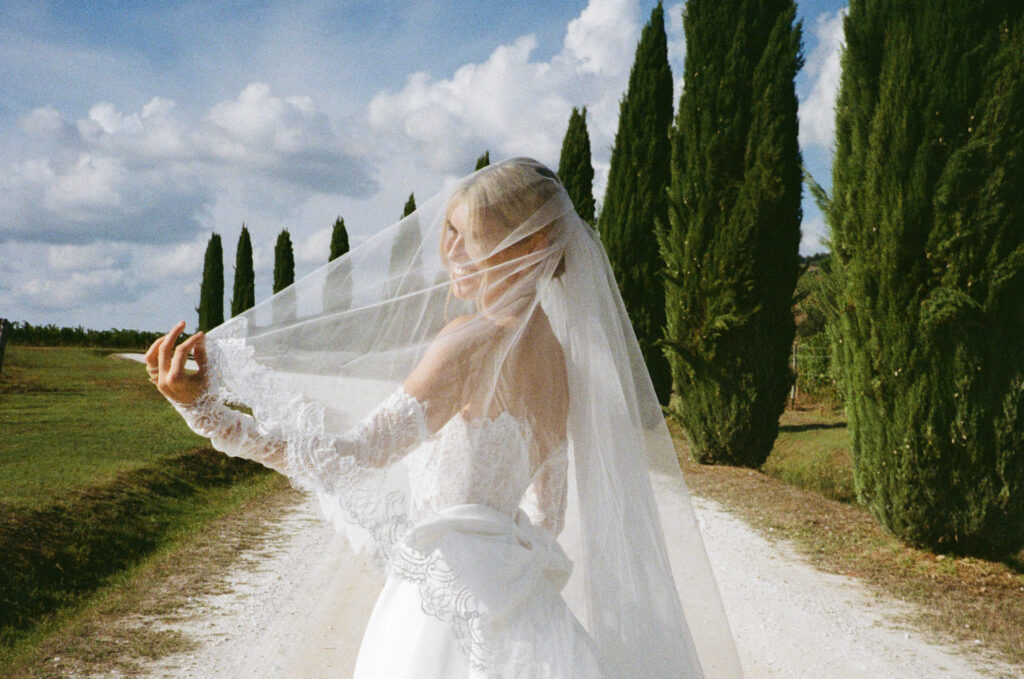
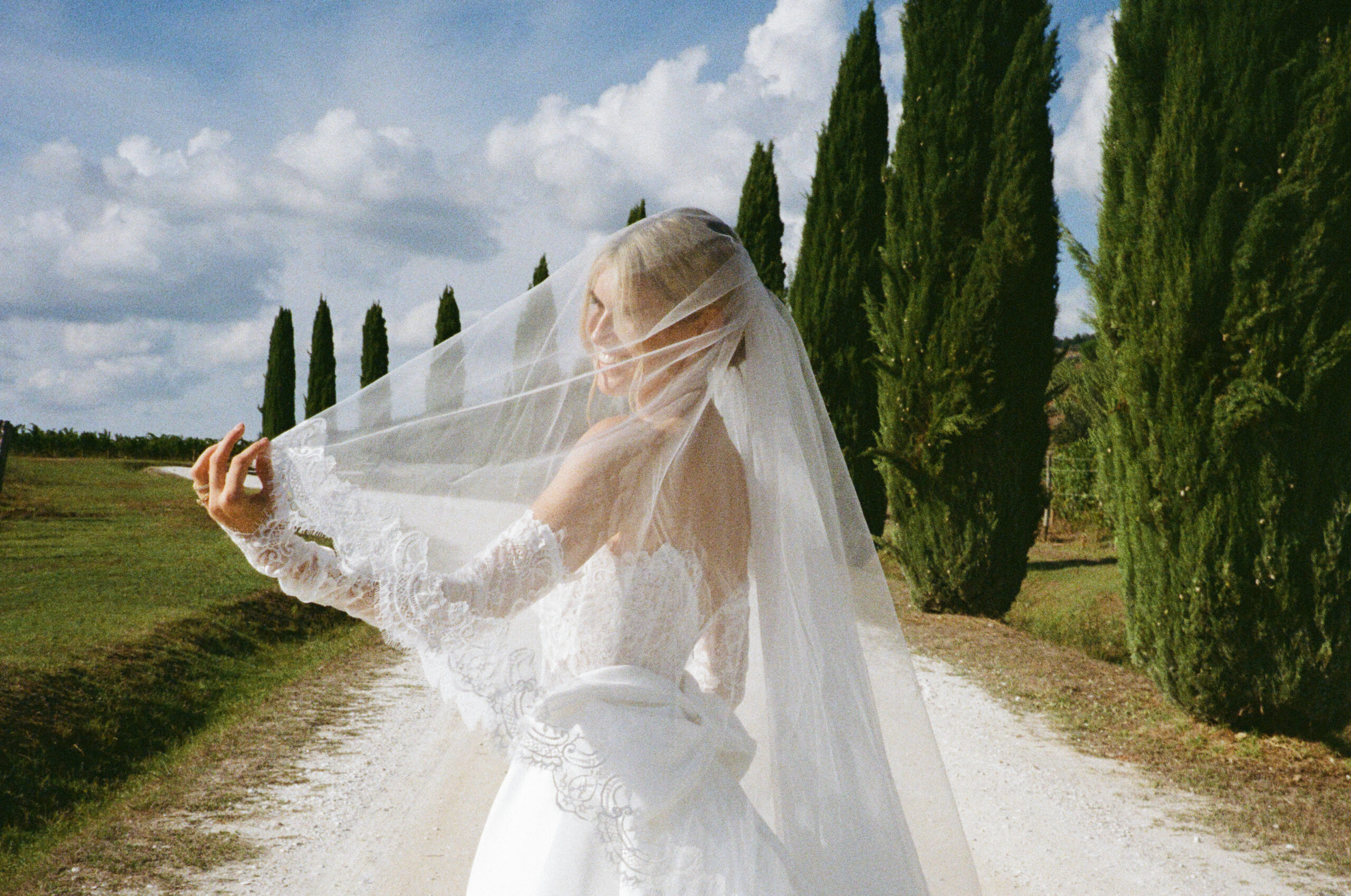
Tuscany offers a balance that few regions achieve. The landscape is cinematic yet restrained. Vineyards stretch across rolling hills. Stone villas carry centuries of history. Cypress trees line quiet roads that seem almost suspended in time.
Unlike locations that rely on dramatic coastline or urban spectacle, Tuscany provides subtle grandeur. This subtlety allows a celebration to feel elevated without becoming excessive.
Another defining element is privacy. Many estates are secluded, which means a multi-day celebration can unfold without interruption. For couples envisioning a full wedding weekend in Italy, that freedom changes everything. Music flows naturally. Guests move easily between spaces. The energy remains cohesive from beginning to end.
Culturally, Italy brings depth to any wedding experience — but Tuscany, in particular, carries warmth without performance. Cuisine, wine, hospitality, architecture — all contribute to an atmosphere that feels refined yet grounded.


Investment and Budget Transparency
Planning a wedding in Italy requires realistic expectations. A thoughtfully executed destination celebration — especially one spanning multiple days — is rarely a simplified or reduced version of a local event. It is something more immersive.
For a refined celebration with 80 to 120 guests, investment often begins in the mid six figures when venue exclusivity, hospitality, design, entertainment, and professional coordination are included.
Key cost areas typically include:
- Exclusive venue rental (often multi-day)
- Catering and curated wine service
- Floral design and production
- Live music and evening entertainment
- Wedding planner services
- Photography and videography
- Guest accommodation coordination
The purpose of clarity is not to intimidate, but to empower. When couples understand the scale of a wedding in Tuscany, they can allocate intentionally and avoid unnecessary compromise.
Luxury is not defined by excess. It is defined by coherence.

Choosing the Right Venue
Selecting among Tuscany’s estates and villas is one of the most important decisions in the planning process.
Beyond aesthetic appeal, consider exclusivity. Full property buyout creates immersion and continuity, especially if you are hosting a three-day wedding in Italy.
Sound restrictions are another crucial detail. Not every venue permits open-air music into the night. If you envision layered entertainment — from string quartet to live band to DJ — confirm policies early.
Architectural flow also matters. Guests should move intuitively from ceremony to aperitivo, from dinner to dancing. A venue that supports natural movement enhances comfort without requiring constant direction.
And finally, consider light. Tuscany’s golden hour transforms stone courtyards and vineyards into something extraordinary. A well-oriented venue elevates your imagery profoundly.


Legal Considerations and Symbolic Ceremonies
Italy’s legal marriage requirements vary depending on nationality and can involve documentation such as Nulla Osta certificates, sworn declarations, and civil appointments.
Many couples choose to legally marry in their home country and host a symbolic ceremony in Tuscany. This approach preserves the emotional depth of the experience while reducing administrative stress.
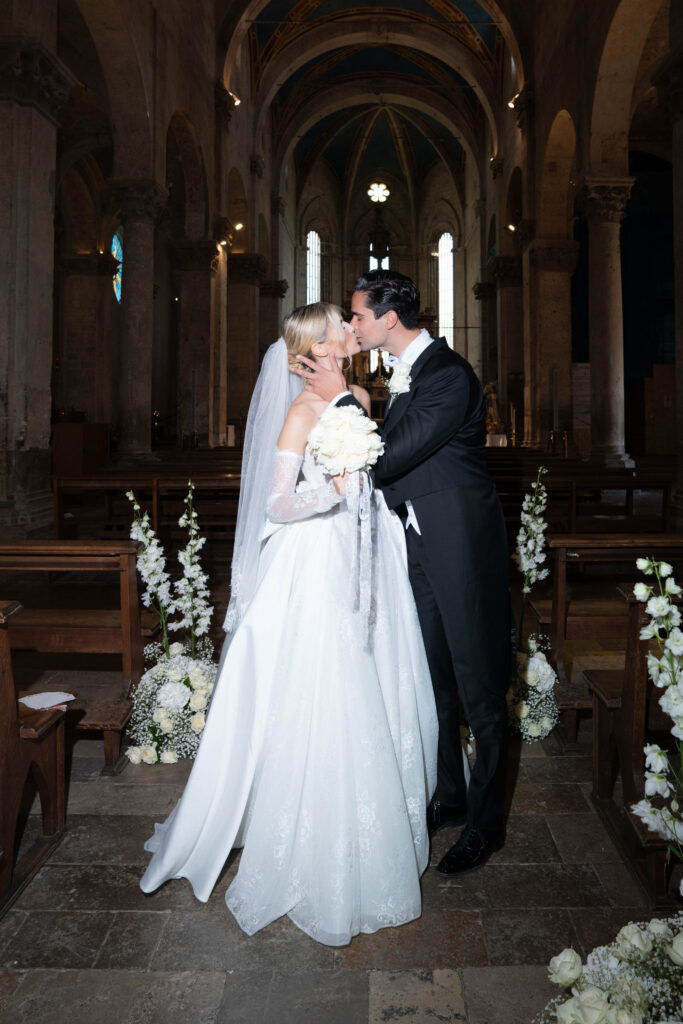
What matters most is that your ceremony reflects meaning — whether civil, religious, or symbolic.
Designing a Multi-Day Wedding Experience

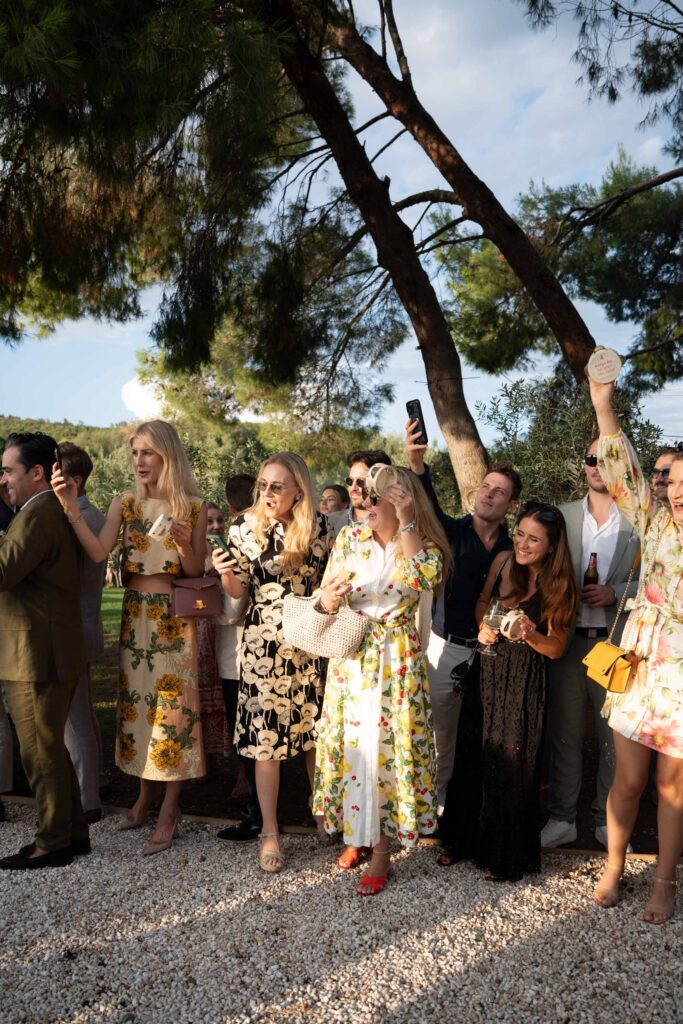
One of the most powerful aspects of hosting your celebration in Italy is the opportunity to expand it beyond a single day.
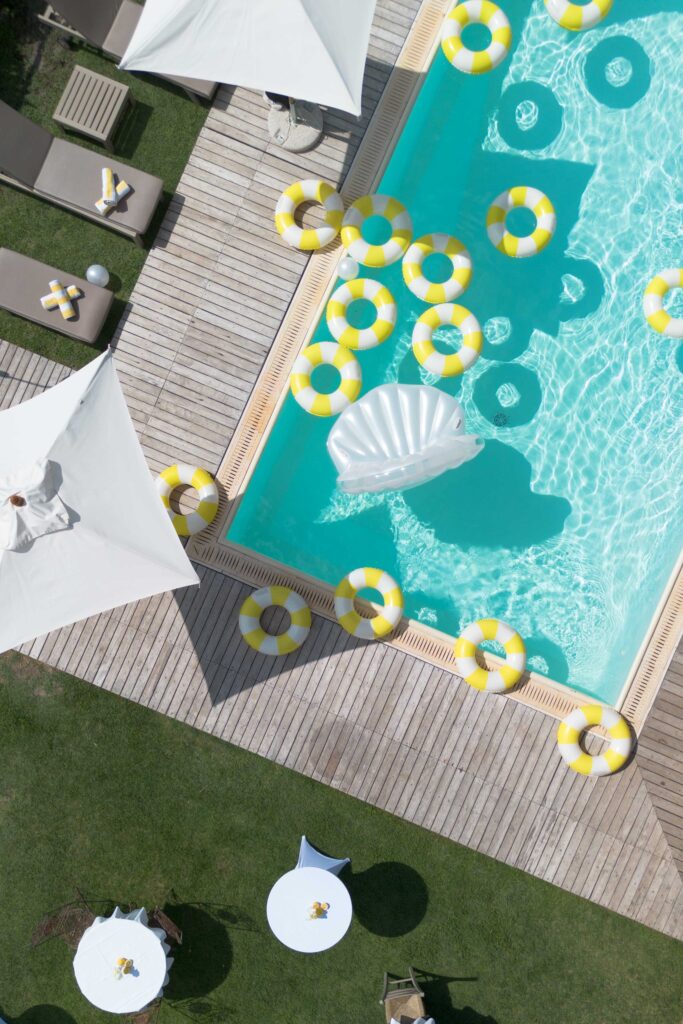
A welcome dinner allows guests to settle into the landscape. The wedding day itself becomes the emotional center. A farewell brunch or pool gathering provides closure without abruptness.
This rhythm transforms a celebration into a shared chapter.
Over multiple days, conversations deepen. Friendships form across generations. Laughter lingers. The experience feels immersive rather than compressed.
In many ways, this structure is what defines a destination wedding in Tuscany at its best.
The Role of a Planner
Planning from abroad introduces logistical complexity. Language nuances, vendor coordination, timeline design, and contingency planning require professional oversight.
A skilled planner becomes the architect of calm. They ensure seamless transitions and protect your experience from unnecessary stress.
For multi-day events especially, coordination is not optional — it is foundational.
Photography and Storytelling
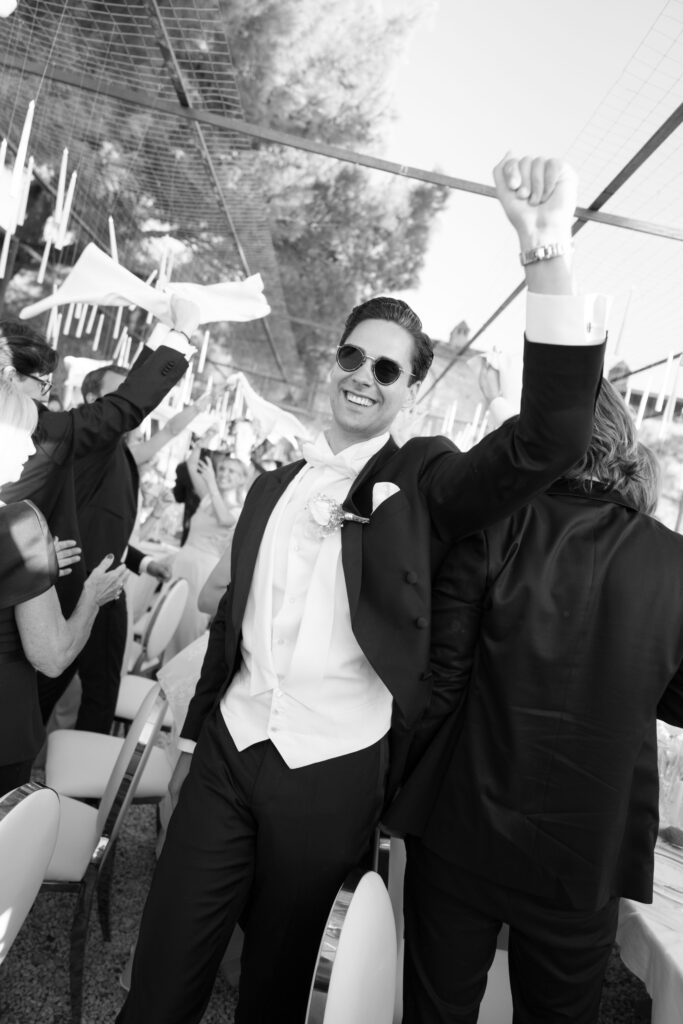
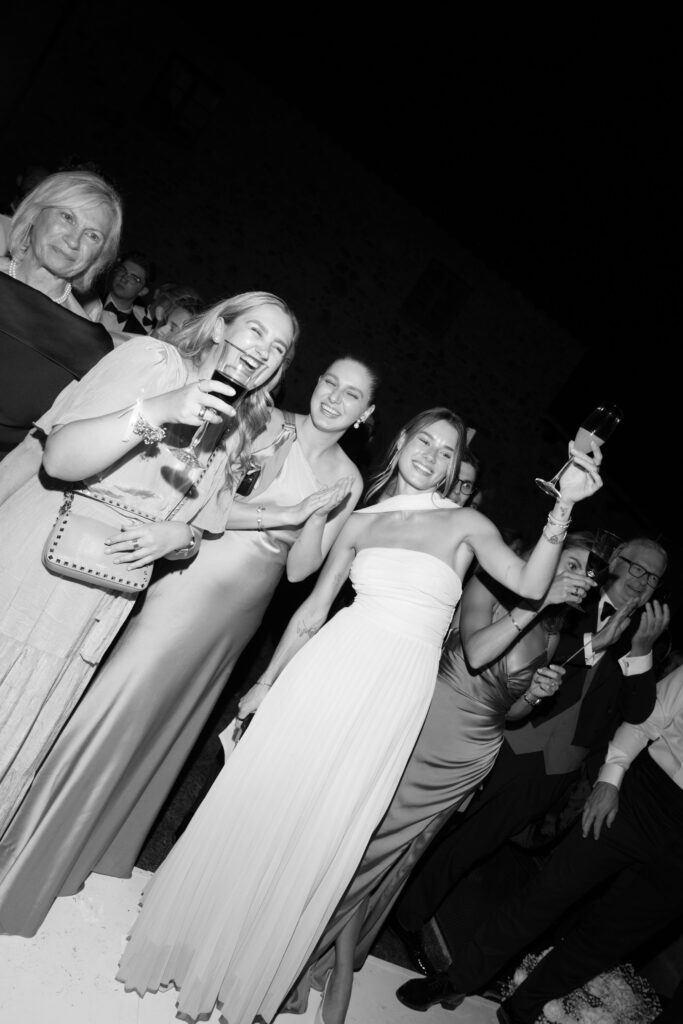
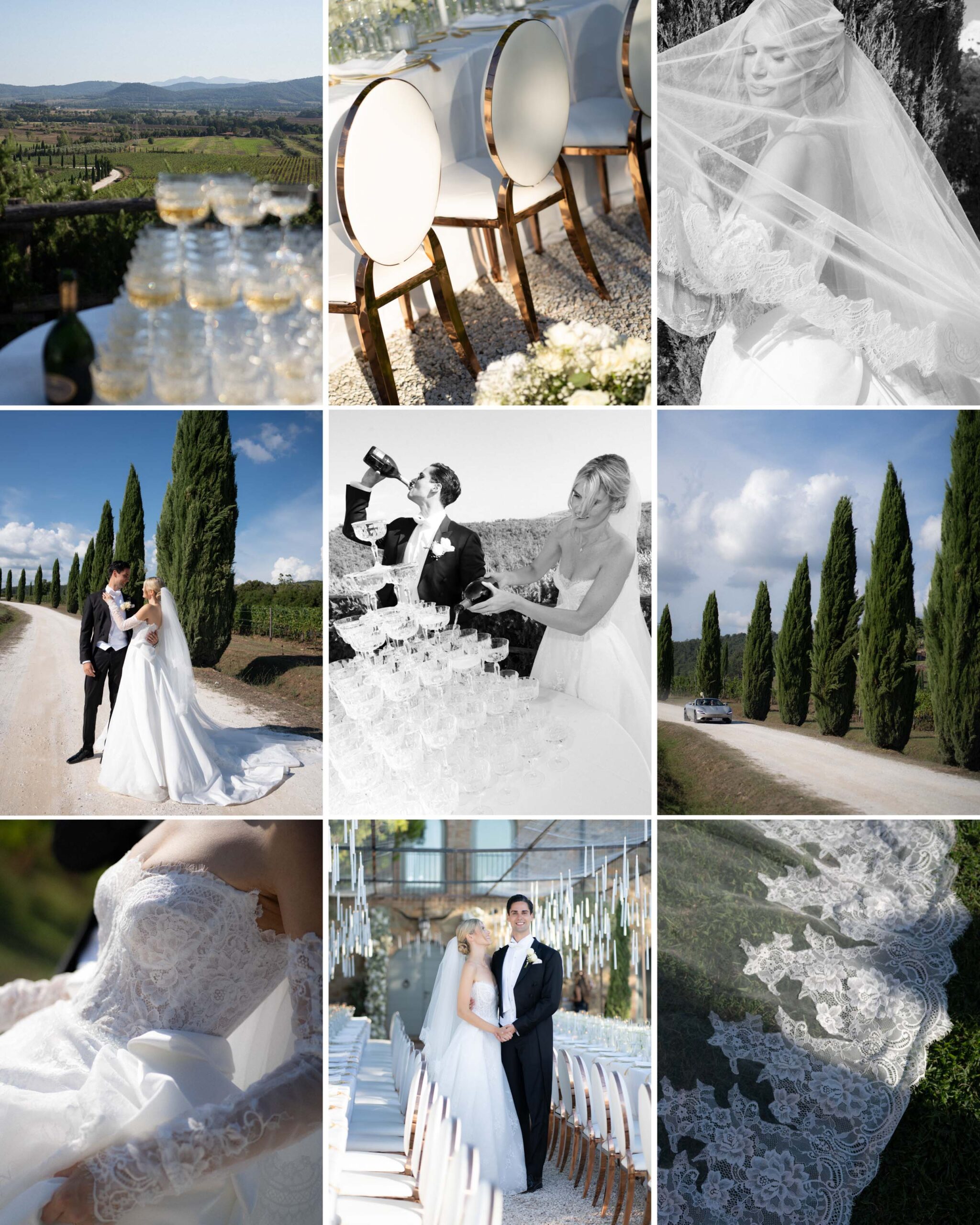
Light in Tuscany carries softness and warmth that feels almost cinematic. Protecting time for portraits during golden hour enhances visual depth, but equally important are the unguarded moments — conversations during aperitivo, quiet gestures at dinner, spontaneous laughter on the dance floor.
A wedding weekend allows story to unfold gradually. Rather than compressing everything into one timeline, the narrative builds across days.
As a destination wedding photographer, I approach each celebration with calm structure and attentiveness. My role is not to dominate the day, but to anticipate it — to understand rhythm, light, and emotional flow so that imagery feels timeless rather than staged.
A Step-by-Step Timeline for Planning a Destination Wedding in Tuscany
One of the most common questions couples ask when planning a destination wedding in Tuscany is: Where do we even begin?
Unlike a local celebration, a wedding in Italy requires early structure. The most seamless celebrations I have documented all shared one quality — clarity from the beginning.
Below is a refined timeline that reflects how luxury destination weddings in Tuscany are typically structured.
12–18 Months Before
This phase defines the foundation.
- Secure your venue. Tuscany wedding venues with exclusivity book far in advance, especially for May, June, September, and August.
- Book your wedding planner. Their involvement should begin before vendor selection.
- Define your estimated guest count.
- Establish a preliminary budget structure.
- Reserve key vendors such as photographer and videographer.
For a multi-day destination wedding in Tuscany, this early structure protects flexibility later.
9–12 Months Before
Now the creative framework begins.
- Finalize your core vendor team.
- Begin design concept discussions.
- Send Save the Dates.
- Confirm accommodation blocks.
- Begin entertainment planning.
At this stage, your wedding in Tuscany starts to take emotional shape.
6–9 Months Before
This phase refines experience.
- Conduct catering tastings (in person if possible).
- Confirm ceremony logistics.
- Finalize floral direction.
- Develop guest experience details (welcome gifts, itinerary notes).
A destination wedding in Tuscany thrives when guest comfort is considered early.
3–6 Months Before
- Confirm transportation logistics.
- Build your detailed timeline.
- Finalize entertainment structure.
- Confirm legal documentation (if applicable).
At this stage, a planner’s oversight becomes especially critical.
1–3 Months Before
- Refine seating.
- Confirm final guest count.
- Lock production schedules.
- Prepare contingency plans.
The closer you move toward your wedding in Italy, the more essential calm coordination becomes.



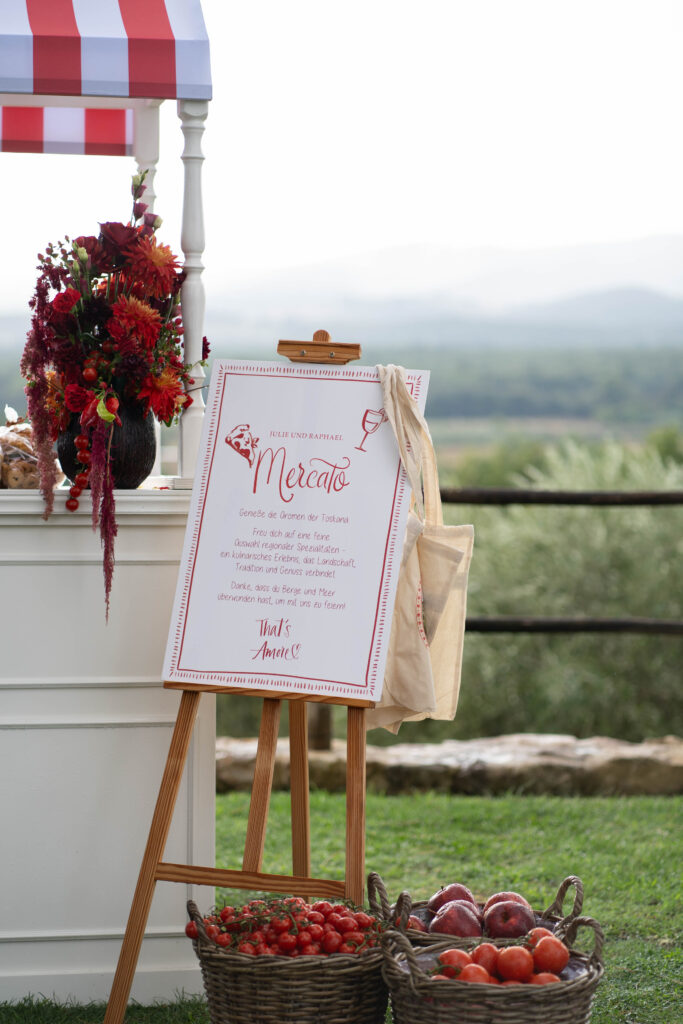


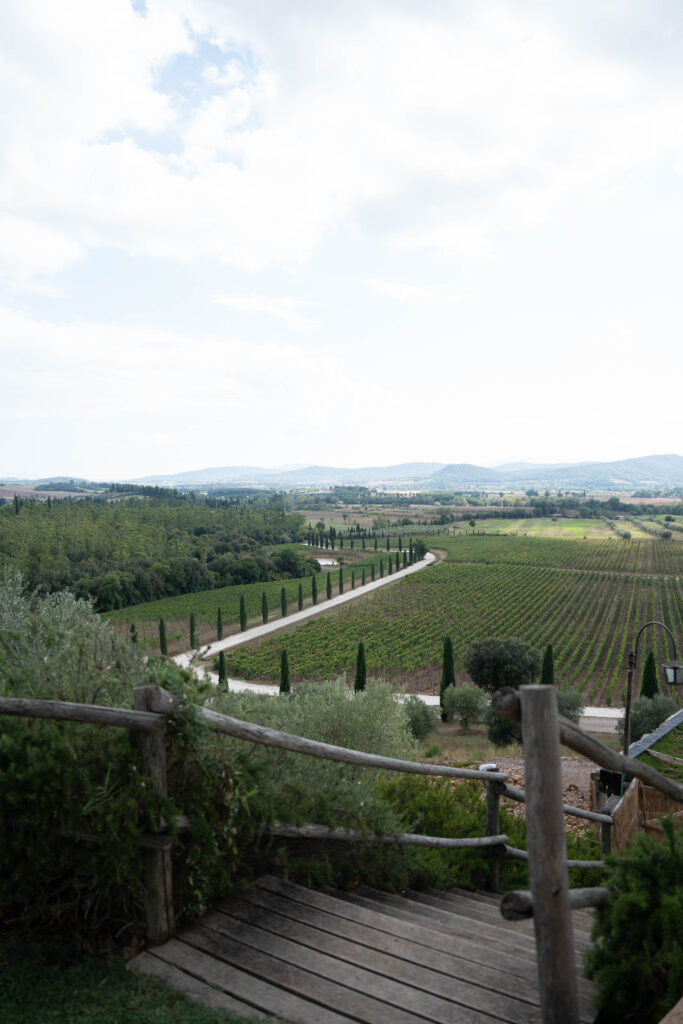
Sample Budget Allocation for a Luxury Wedding in Tuscany
While every celebration differs, refined destination weddings in Tuscany often distribute budget approximately as follows:
- Venue & Accommodation: 25–35%
- Catering & Wine: 20–25%
- Floral Design & Production: 15–20%
- Entertainment: 10–15%
- Wedding Planner: 8–12%
- Photography & Film: 10–15%
- Transportation & Guest Logistics: 4–8%
Understanding allocation prevents emotional overspending in one category while underfunding another.
A wedding in Tuscany feels luxurious when every element is balanced.
Common Mistakes When Planning a Wedding in Italy
Experience often reveals what planning blogs do not.
Waiting Too Long to Secure the Venue
Prime Tuscany wedding venues are reserved years in advance. Delay can mean compromise.
Overlooking Sound Restrictions
Not every estate permits open-air music late into the night. This can dramatically alter your reception atmosphere.
Underestimating Summer Heat
A destination wedding in Tuscany during July or August requires hydration strategy, shade planning, and guest comfort consideration.
Ignoring Transportation Logistics
Church ceremonies and countryside venues often require coordinated transfers. Without structure, guest confusion can disrupt flow.
Compressing the Celebration into One Day
If guests are traveling internationally, a single six-hour event often feels rushed.
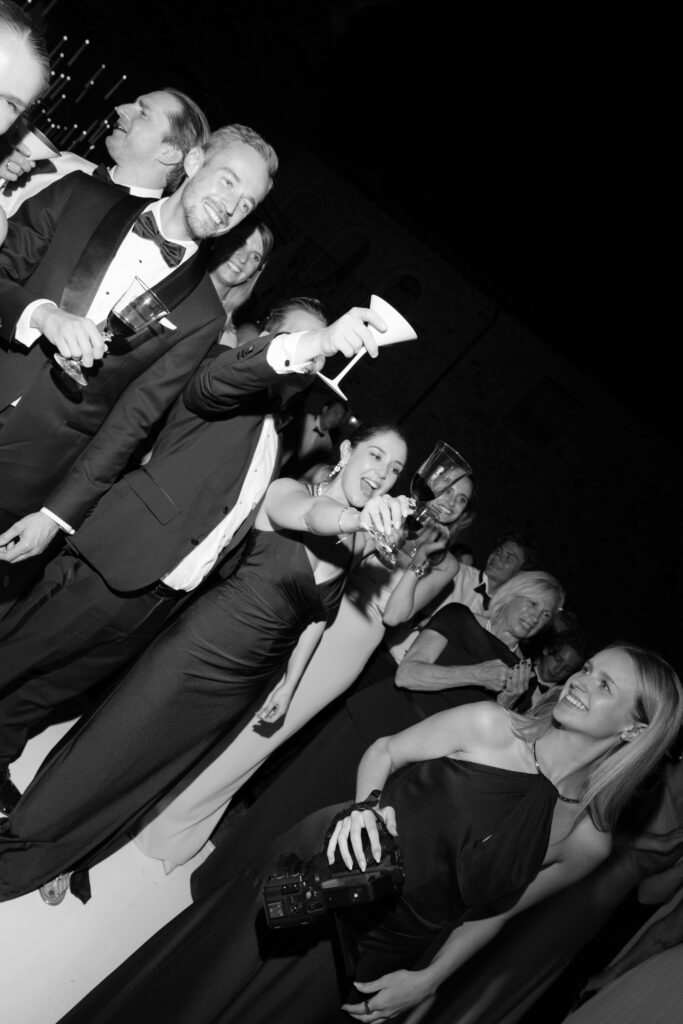
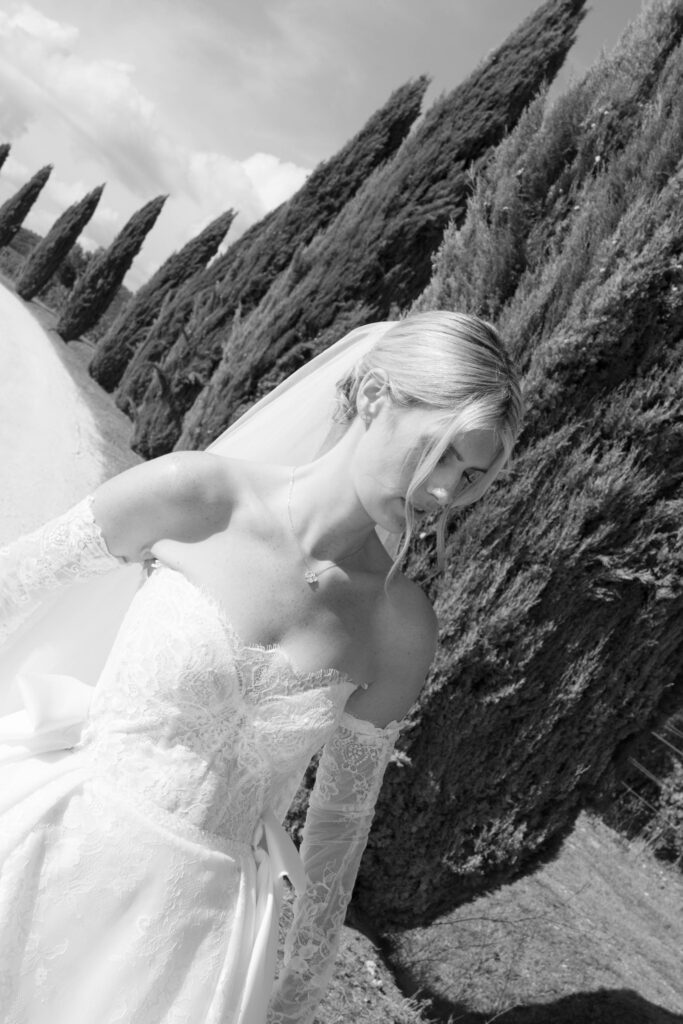
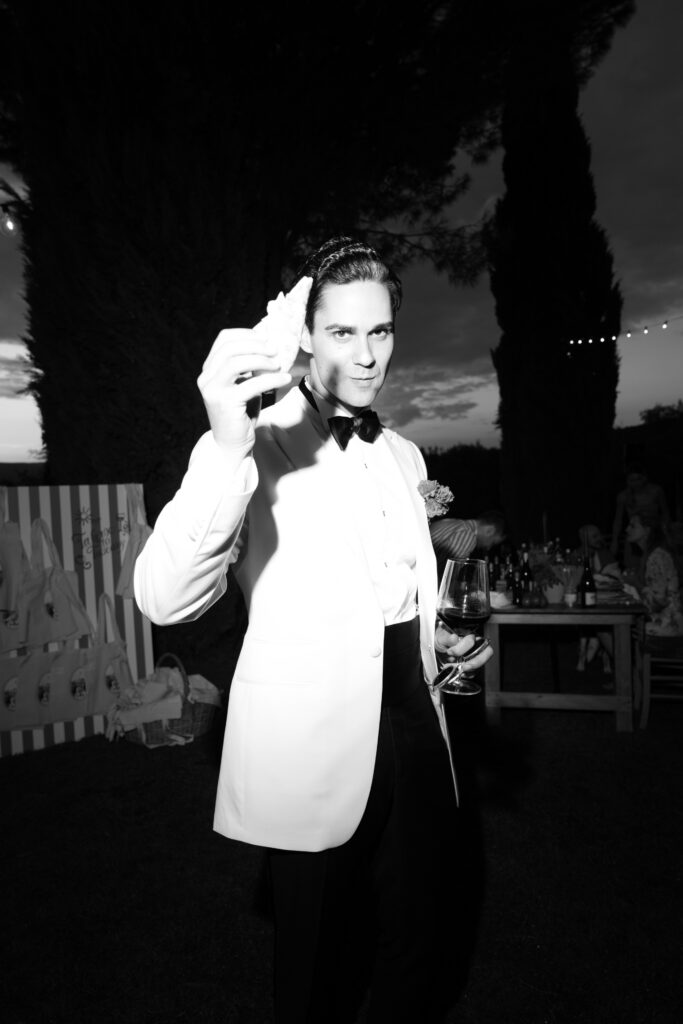
Guest Logistics: The Invisible Architecture of a Destination Wedding in Tuscany
Guest comfort defines experience.
When planning a wedding in Italy, consider:
- Coordinated airport transfers
- Clear accommodation communication
- Welcome itineraries with timing guidance
- Dress code clarity
- Contingency communication for weather shifts
Jet lag, travel fatigue, and unfamiliar surroundings can impact guest energy. A thoughtfully structured Tuscany wedding weekend anticipates these factors.
Ease is the quiet language of luxury.



Frequently Asked Questions About Planning a Destination Wedding in Tuscany
Is Tuscany suitable for large guest counts?
Yes — many estates accommodate 80 to 150 guests comfortably, particularly when offering full buyouts. Larger celebrations require careful layout planning, but Tuscany offers venues capable of supporting scale without losing intimacy.
Is a three-day wedding necessary?
Not necessary — but transformative.
A multi-day format fundamentally changes the emotional architecture of a wedding. It shifts the focus away from a single compressed timeline and instead creates space for something far more meaningful to unfold.
When guests travel internationally for a destination wedding in Tuscany, they are not simply attending an event. They are committing time, energy, and presence. Extending the celebration across several days acknowledges and honors that commitment.
A three-day wedding in Italy allows your guests to arrive slowly — not just physically, but emotionally. The welcome dinner becomes a moment of grounding. Conversations begin without pressure. Laughter carries naturally. There is no urgency to move from one formal milestone to the next.
By the time the wedding day itself begins, something subtle has already shifted. Guests are no longer strangers separated by table assignments. They have shared wine the night before. They have watched the Tuscan sunset together. They have felt the landscape.
That shared experience creates a different kind of ceremony atmosphere — one that feels intimate even within a larger guest count.
And then there is the day after.
A farewell brunch or relaxed pool gathering allows the celebration to close gently. Instead of an abrupt ending, there is a soft landing. Stories are exchanged. Emotions settle. Goodbyes are unhurried.
Luxury is not defined by scale — it is defined by spaciousness.
A multi-day destination wedding in Tuscany offers exactly that: space. Space to breathe. Space to connect. Space to remember.
It transforms a wedding in Italy from a beautifully executed event into a deeply shared chapter — one that lingers long after guests return home.
What is the best time of year?
May, June, September, and early October are often ideal for balanced temperatures and beautiful light. July and August offer golden tones and long evenings but require thoughtful heat planning.
Do we need a wedding planner?
For most international couples, absolutely.
Planning a wedding abroad introduces layers of complexity that are often invisible at first glance. Legal documentation, language nuances, regional vendor networks, cultural expectations, transportation logistics, and weather contingency planning all require local knowledge and structured oversight.
A professional planner ensures legal clarity — guiding you through documentation requirements, timelines, and civil procedures if applicable. But their role extends far beyond paperwork.
For a destination wedding in Tuscany, a planner becomes the central coordinator of every moving part. They source trusted vendors who understand the standards of an international wedding in Italy. They negotiate contracts in the local language. They align floral designers, caterers, musicians, lighting teams, and rental companies into one cohesive production.
Timeline precision is especially critical for a multi-day celebration. A Tuscany wedding weekend involves multiple events, guest movements, rehearsal coordination, and layered transitions. Without careful orchestration, even the most beautiful venue can feel disjointed.
A planner anticipates potential challenges before they become visible. They monitor weather forecasts, adjust ceremony layouts if necessary, coordinate transportation between church and venue, and protect the emotional flow of the day. Their presence allows you — and your families — to remain present rather than problem-solving.
For a three-day wedding in Italy, structured coordination is not a luxury upgrade. It is foundational.
When done well, the planner’s work is almost invisible. The celebration feels effortless. Guests experience calm. Transitions feel natural. And you are free to fully inhabit your destination wedding in Tuscany without distraction.
That freedom is the true value of professional planning.
How far in advance should we book?
Prime venues often secure dates 18 to 24 months in advance. If Tuscany is your priority, begin early.
Additional Frequently Asked Questions
Can we legally marry in Tuscany?
Yes, though documentation varies by nationality. Many couples opt for a symbolic ceremony to simplify the process.
Is a church wedding possible?
Yes — but availability, documentation, and religious requirements vary significantly.
Can all guests stay at the venue?
Some estates accommodate full guest lists, while others require nearby villa coordination.
What happens if it rains?
A professional planner ensures backup layouts exist discreetly. Tuscany weather shifts are often brief and manageable.
Final Thoughts on Planning a Destination Wedding in Tuscany
A destination wedding in Tuscany is not simply a logistical decision. It is an emotional one.
It means choosing intention over convenience. It means asking your guests to travel — not for spectacle, but for shared experience. It means creating space where conversation lingers, where laughter echoes across courtyards, where dinners stretch long into the night beneath suspended candlelight.
What makes a wedding in Italy unforgettable is not perfection. It is presence.
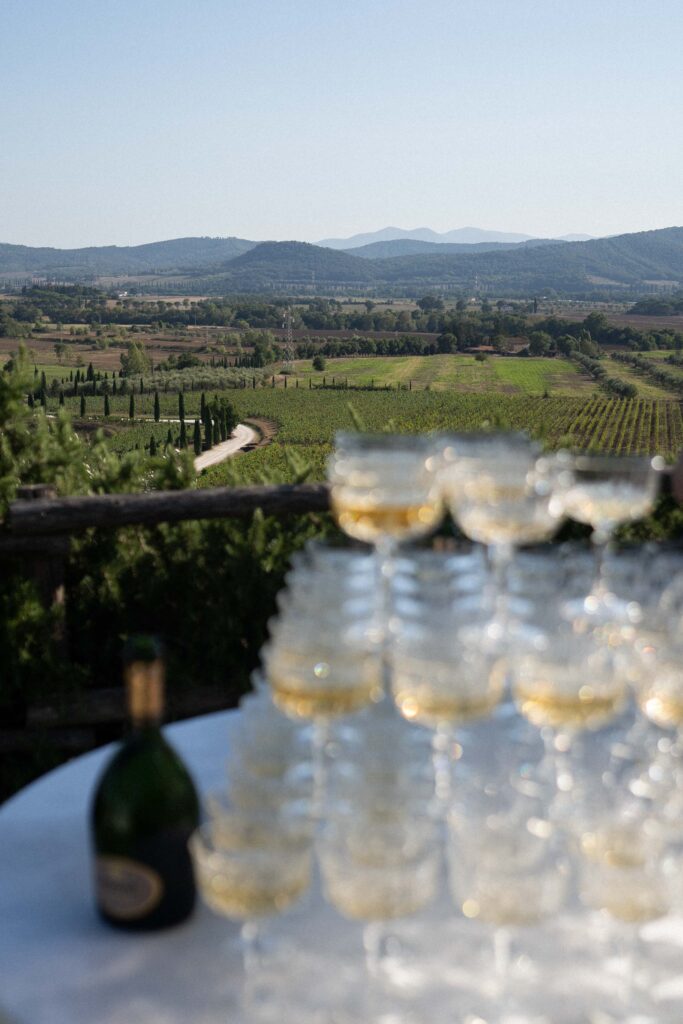
It is the moment when your closest friends gather at a long table overlooking vineyards. The quiet before the ceremony begins. The warmth of late summer air as music carries across stone walls. The final morning when guests linger by the pool, reluctant to leave.
A thoughtfully planned destination wedding in Tuscany allows all of this to unfold without rush.
It becomes less about a single day and more about a chapter — one that feels immersive, layered, and deeply personal.
And when structured with care, supported by experienced professionals, and guided by intention, it becomes something rare:
Not simply a wedding abroad.
But a memory that lives far beyond the landscape in which it began.

 Deutsch
  English (UK)